Today In Charleston History: July 16

1783 – Gazette Resumes Publication

Ann Timothy, widow of Peter Timothy, resumed publication of the Gazette of the State of South Carolina, continuing the tradition started by her mother-in-law, Elizabeth Timothy. Peter was arrested in 1781 by the British and transported to St. Augustine for imprisonment during the Revolution. He was “lost” at  sea during the voyage from Charlestown. 

——————————

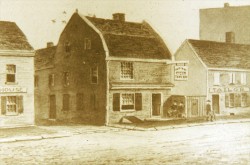
Capt. Joseph Vesey leased two town lots in Charlestown from John Christian Smith. Vesey and his wife lived at 281 King Street, and the other building on East Bay Street, became Vesey’s business office.

He set himself up as a ship chandler – an importer and retailer of various commodities including naval stores, rum, sugar and African slaves. To raise the capital for his business, Vesey sold his ship Prospect and liquidated his interest in two other Caribbean slave trading vessels, the Dove and the Polly.

Vesey’s trusted manservant, Telemaque (Denmark) enjoyed quasi-freedom in the urban environment of Charlestown. He discovered a thriving black community living an illicit social life in the city’s back alleys, hidden courtyards, street corners and church basements. 

1863 – Civil War

In the Battle of Sol Legare Island, Union troops attacked the fortifications on James Island and Folly Island, but were repelled by the confederate forces. One of America´s first African American Army Regiments, 54th Massachusetts, organized in the North, fought during the Sol Legare Island battle, losing 14 men. 17 were wounded and 12 missing. 

This defeat lead to the grand assault on Battery Wagner two days later, featured in the movie Glory which was based on the true story of Massachusetts’ 54th brigade, comprised from the first all-black volunteer company, fighting the prejudices of both the Union army and the Confederate army.

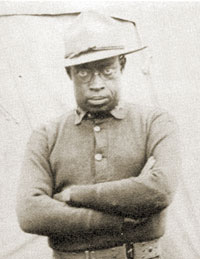
Soldiers from the 54th Massachusetts Regiment.

Soldiers from the 54th Massachusetts Regiment.

Today In Charleston History: July 15

1740-Religion
Rev. George Whitefield - open air preaching

Rev. George Whitefield – open air preaching

Rev. George Whitefield appeared with his counsel, Andrew Rutledge, before an ecclesiastical court at St. Philip’s Church to answer for his violations of Anglican canons and rubries. He was found guilty and suspended. He appealed to the Lords Commissioners appointed by the King for hearing appeals of spiritual cause in his Majesty’s Plantations in America. Whitefield was allowed to continue to practice his ministry until the appeal.

1801-Religion

The Hebrew Orphan Society was organized. Although Jewish children could be placed in the Charleston Orphanage House, evidently some were afraid of the Christian training the youth would get.

1820-Slavery

In a speech on the Missouri Compromise, Charles Pinckney laid out the unwieldy rationale that permeated most of the Southern leaders:

every slave has a comfortable home, is well fed, clothed and taken care of … The great body of slaves are happier in their present situation than they could be in any other and the man or men who would attempt to give them freedom would be their greatest enemies!

1831
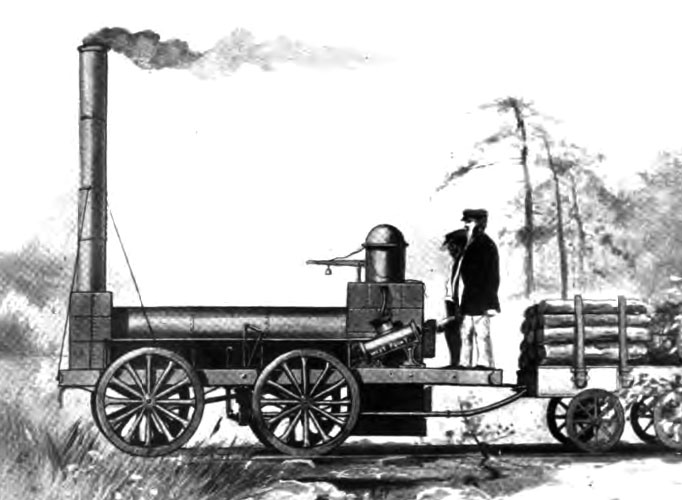
West Point locomotive

West Point locomotive

The West Point locomotive started regular service on the Charleston & Hamburg Rail Road, in place of the damaged Best Friend.

1848-Religion. Slavery

A committee of laymen hired a large room, known as Temperance Hall, over a carriage warehouse on Meeting Street for worship services for Calvary Church.

1861 – Blockade Running

Theodora, originally named Carolina, then Gordon, Theodora and finally, Nassau, intermixed privateering with a blockade running and charter service to the Confederate States as a transport and picket ship.

She was built as Carolina at Greenpoint, N.Y., in 1852 for service as a coastal packet out of Charleston, S.C., occasionally crossing to Havana, Cuba. Upon outbreak of Civil War she was strengthened and refitted as the Gordon, under Capt. T. J. Lockwood, and placed in commission as a privateer at Charleston on 15 July 1861.

1926-Jenkins Orphanage Band

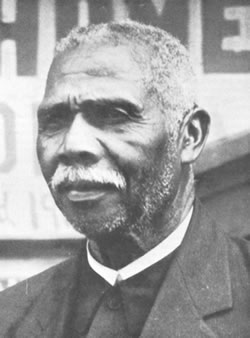
Edmund Thornton Jenkins was admitted to the Hospital Tenon in Paris. The diagnosis was appendicitis and he underwent surgery. After being returned to his bed he fell onto the floor sometime during the night where he remained undiscovered for several hours. He contracted pneumonia and his condition worsened. However, for some inexplicable reason, he was released from the hospital and sent home.

Edmund Thorton Jenkins

Edmund Thorton Jenkins.

Today In Charleston History: July 14

1837-Slavery

The Grimke sisters, Sarah and Angelina, embarked on a lecture tour across Massachusetts. In Amesbury they were challenged by John Page, a local man who had recently lived for several years in the South. He thought the slaves were “no worse off than the … manufacturers [factory workers]of the North.” Since most of the people in Amesbury worked in shoe manufacturing, their remarks created such an uproar that Angelina agreed to a public debate with Page.

1849-Religion. Slavery
James Petigru

James Petigru

On Saturday night, after the trial of Nicholas and two other ringleaders of the Work House escape, a mob gathered at City Hall to destroy the nearly completed black church on Beaufain Street, located a block from the Work House.  As the mob assembled, James L. Petrigru, an esteemed Charleston lawyer and member of St. Michael’s Church, stood on the city hall steps and addressed the mob. His efforts saved the church from destruction.

1903

Charleston City Council approved the purchase of the Rhett Farm for $35,000 to extend Hampton Park.

Today In Charleston History: July 13

JULY 13

1769-American Revolution – Foundations

The South Carolina Gazette contained advertisements that called for the merchants to meet at Dillon’s Tavern and the mechanics and planters at the Liberty Tree to discuss the Townsend Duties Act. All agreed that “taxation without representation” was the main grievance.

1787-Constitutional Convention
indianqueen-s

Indian Queen Tavern

Menassah Cutler, noted in his journal that he saw James Madison, George Mason, Alexander Hamilton, John Rutledge and Charles Pinckney having dinner at the Indian Queen Tavern at the corner of Market and Third streets.  Most historians interpret this meeting as a backroom deal on the slavery question.

Pierce Butler of South Carolina introduced the Fugitive Slave law.

1804-Burr-Hamilton Duel

Vice president Aaron Burr wrote to his son-in-law, Joseph Alston, in Charleston:

General Hamilton died yesterday. The malignant federalists … unite in endeavouring to excite public sympathy in his favour and indignation against his antagonist … I propose leaving town for a few days, and meditate also a journey for a few weeks … 

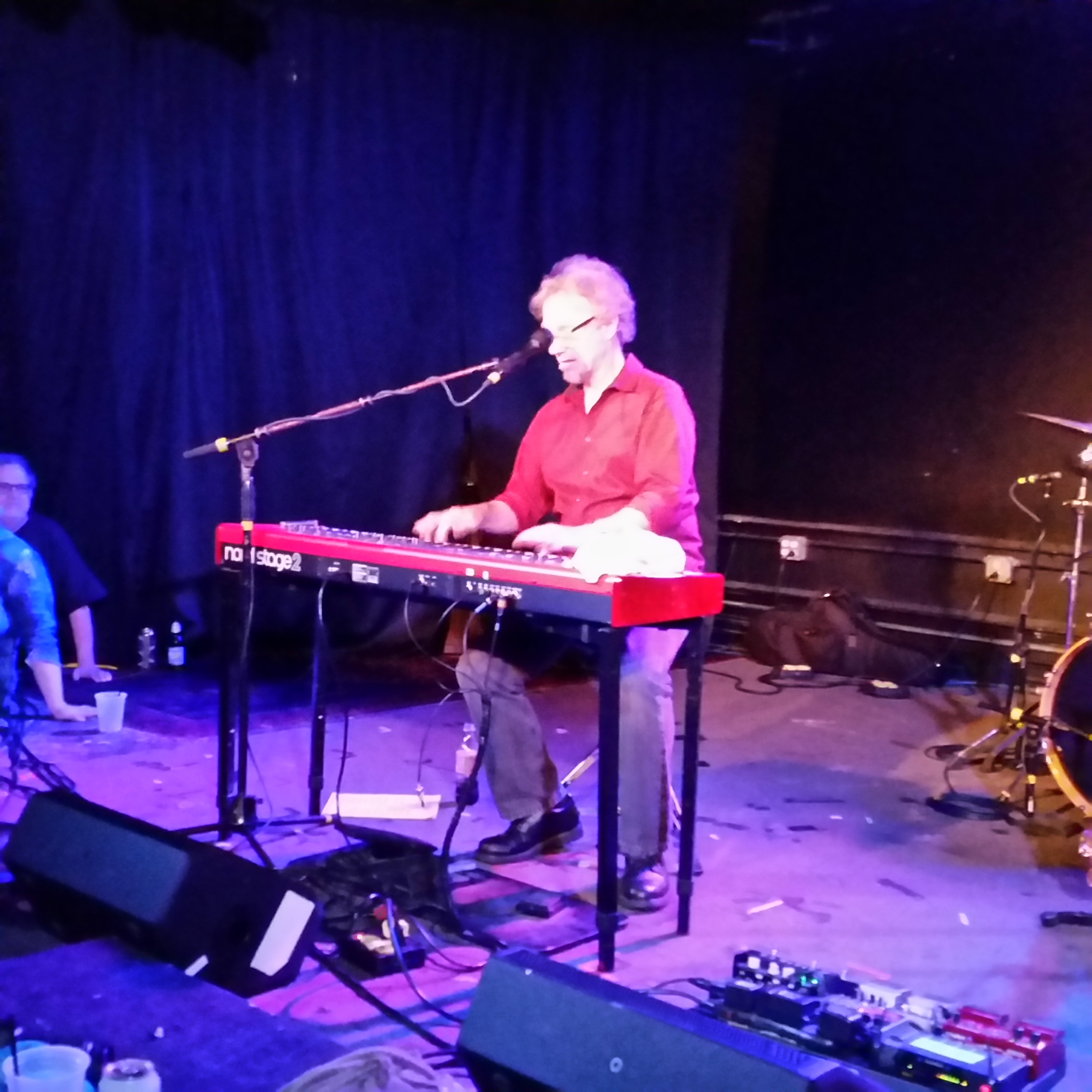
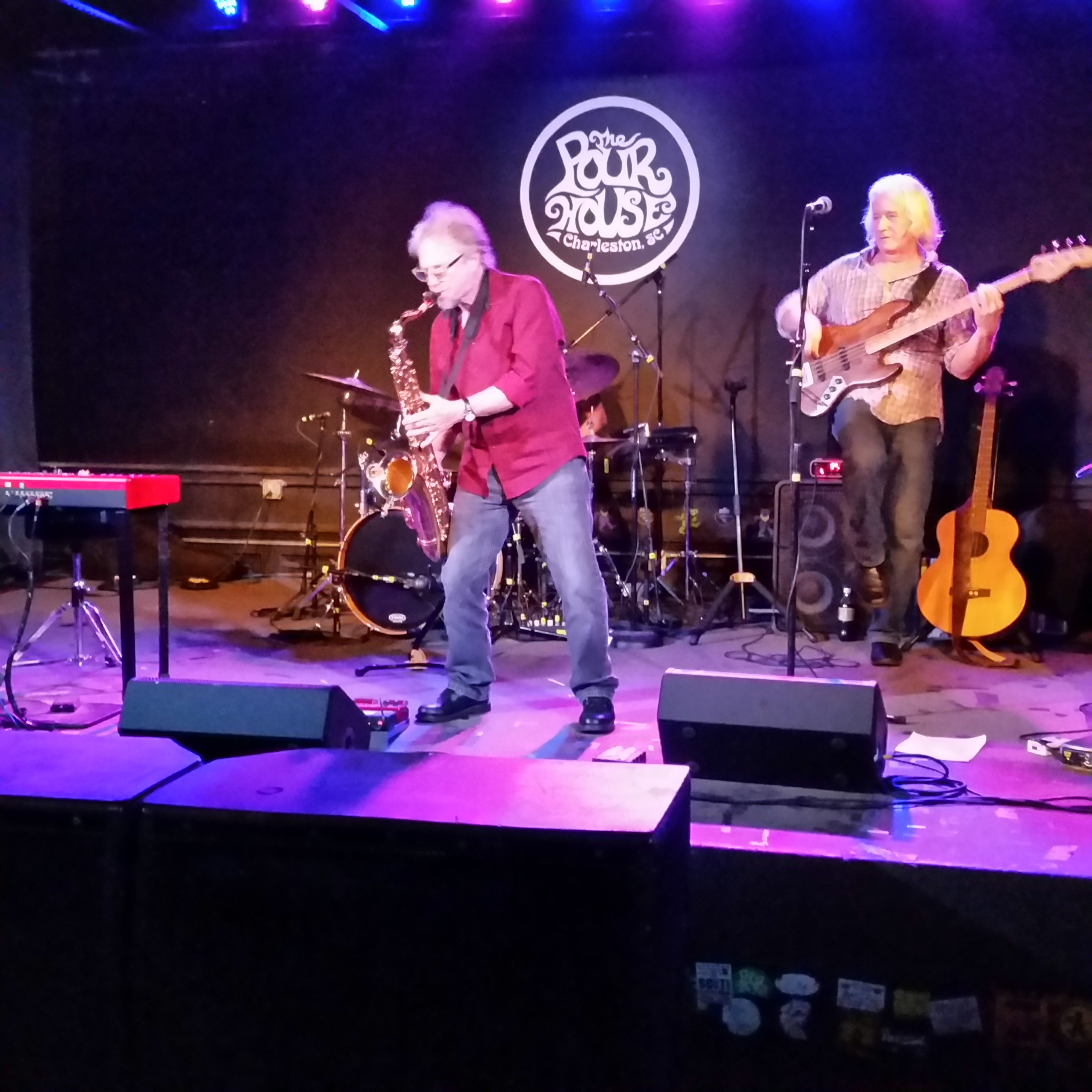
Randall Bramblett (@ The Pour House): A Review

In a world in which Ariana Grande wins Grammy Awards, ABBA and Ritchie Valens are in the Rock and Roll Hall of Fame, and we are bombarded by a constant stream of disposable, assembly-line fabricated “music”, Randall Bramblett is a refreshing breeze of artistic authenticity. His soulful-soaked performance at The Charleston Pour House Saturday night (July 11, 2015) was equal parts blues, gospel, jazz and country – in other words, pure rock ‘n roll. 

Randall Bramblett, The Pour House, Charleston.

Randall Bramblett, The Pour House, Charleston. 

Bramblett opened the night with a blistering version of “Used To Rule The World,”  from Now It’s Tomorrow (2008).  The song was made popular by Bonnie Raitt’s version which sounds rather tame after hearing Bramblett’s intense live version.  

bright spotsLeaning heavily on his most recent release The Bright Spots (2013) Bramblett, switching from keyboards to saxophone, effortlessly led his tight stellar band across the musical spectrum before an enthusiastically devoted crowd. As he stated at the beginning of the show, “I think we pretty much know everyone here,” Bramblett then proceeded to treat the evening as a gathering of friends in his living room.

“If you’re not gonna dance, you got to move closer,” he urged the crowd at one point. “We’ve got to have something coming back to us.” Bramblett also introduced several new songs, which will be featured on his September release, Devil Music. 

20150711_224522Bramblett is a 30 year veteran of American music. Coming out of Jesup, Ga. in the 1970s he became associated with various Capricorn Records artists, recording and touring with Elvis Bishop, Cowboy, the Gregg Allman Band, Govt. Mule and Widespread Panic.

In the 1980s he joined Chuck Leavell’s Allman Brothers offshoot project, Sea Level, and became a driving force in that legendary jazz-fusion / rock band, playing keyboards, saxophone and vocals. For eighteen years he was also a sideman for Steve Winwood’s touring band.

Since the turn of the 21st century, Bramblett has increasingly devoted his energies to a solo career, releasing six CDs in thirteen years, to increasing critical and popular support. Rolling Stone called Bramblett  “One of the South’s most lyrical and literate songwriters”  and he has also been referred to as “the William Faulkner of Southern music”

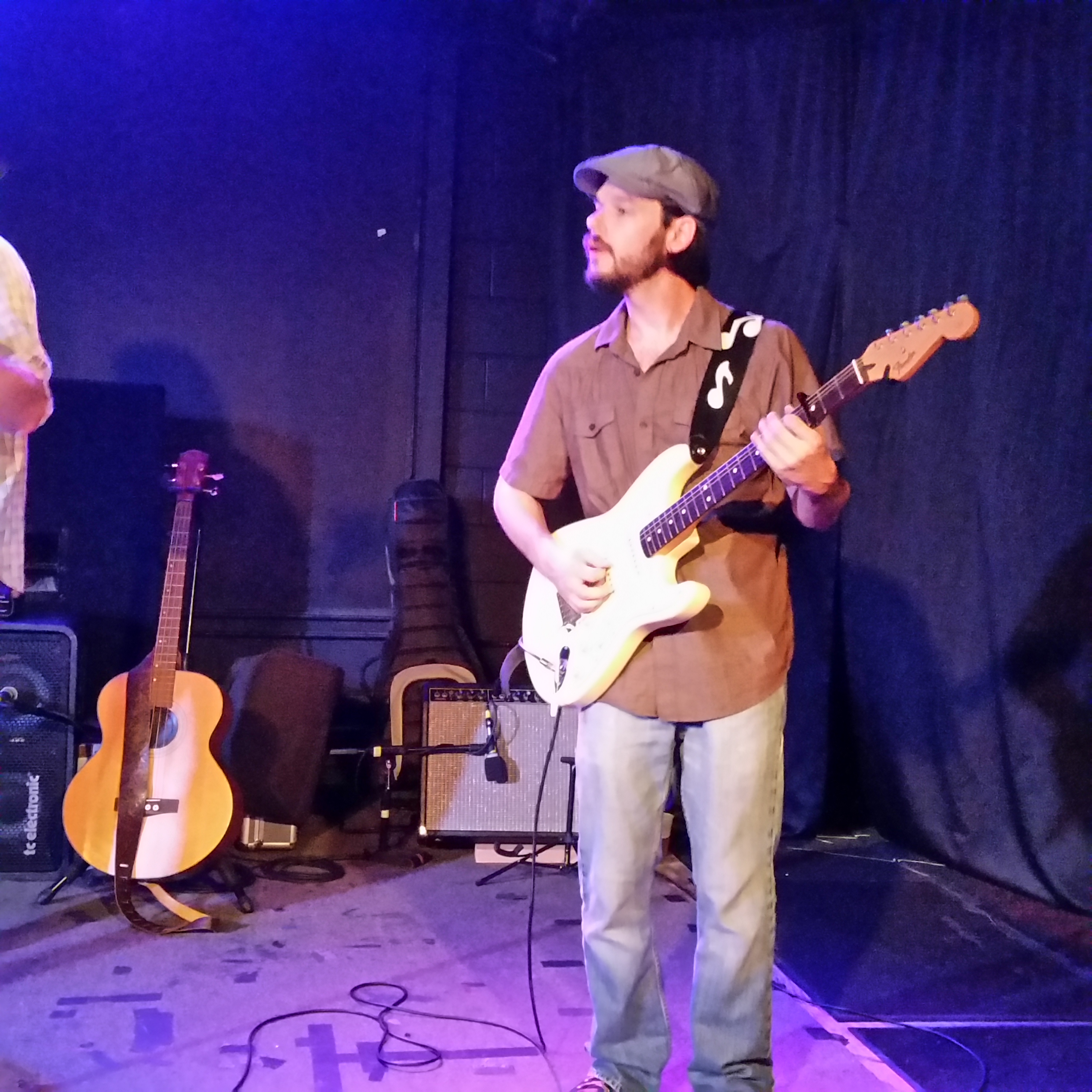
Nick Johnson

Nick Johnson

Whatever the accolades, the full power of Bramblett’s musical artistry was in perfect display last night at The Pour House. One of the highlights was guitarist Nick Johnson. The 27-year-old Massachusetts native turned in an eye-opening performance, using his guitar to flesh out the sound of the four-piece band. It’s such an pleasure to watch a guitar player use his instrument in service to the song. Johnson credits Derek Trucks to inspiring him to pursue guitar playing as a serious endeavor.   Johnson has stated: “Derek’s focus and his purity was just inspiring … hearing Derek, that tone, just stopped me in my tracks. He has a deep well.” 

Last night, the Randall Bramblett Band served up a two-hour helping of Southern soul and all who attended this Sunday morning are awakened renourished and revived. 

Randall Bramblett Band:

Randall Bramblett, vocal, keys, sax
Nick Johnson, guitar
Michael Steele, bass, backing vocals
Seth Hendershot, drums, backing vocals

Today in Charleston History: July 12

1822-Denmark Vesey Rebellion.

Gullah Jack Prichard and John Horry were executed. Gullah Jack was accused of not only planning to massacre white Charlestonians, but also to have “endeavored to enlist on your behalf all the powers of darkness.”

During the trial Gullah Jack played the fool so much that some of the judges could not believe he was part of the rebellion.  However, as the trial progressed and six witnesses testified against him, Jack’s demeanor changed. He scowled and gave his accusers hard looks. He made motions and designs with his fingers until the judges admonished him for trying to bewitch the witnesses. From the Negro Plot, Gullah Jack was admonished.

In the prosecution of your wicked designed, you were not satisfied with resorting to natural and ordinary means, but endeavored to enlist on your behalf, all the powers of darkness, and employed for that purpose the most disgusting mummery and superstition. You represented yourself as invulnerable; that you could neither be taken nor destroyed, and all who fought under your banners would be invincible. Your boasted charms have not protected yourself, and of course could not protect others … You will shortly be consigned to the cold and silent grave, and all the powers of darkness cannot rescue you from your approaching fate.

Jack had to be “dragged forth to the scaffold … and gave his spirit up without firmness or composure.” Despite this second round of executions, the authorities saw no end in sight. Each new arrest led to more evidence “that the Conspiracy had spread wider and wider.”

1833

On his way for a tour of the Northeast, James Petigru met with Pres. Jackson at the White House and commented that “the old gentleman looked better than I expected.”

1923 – Jenkins Orphanage
Rev. Daniel Jenkins

Rev. Daniel Jenkins

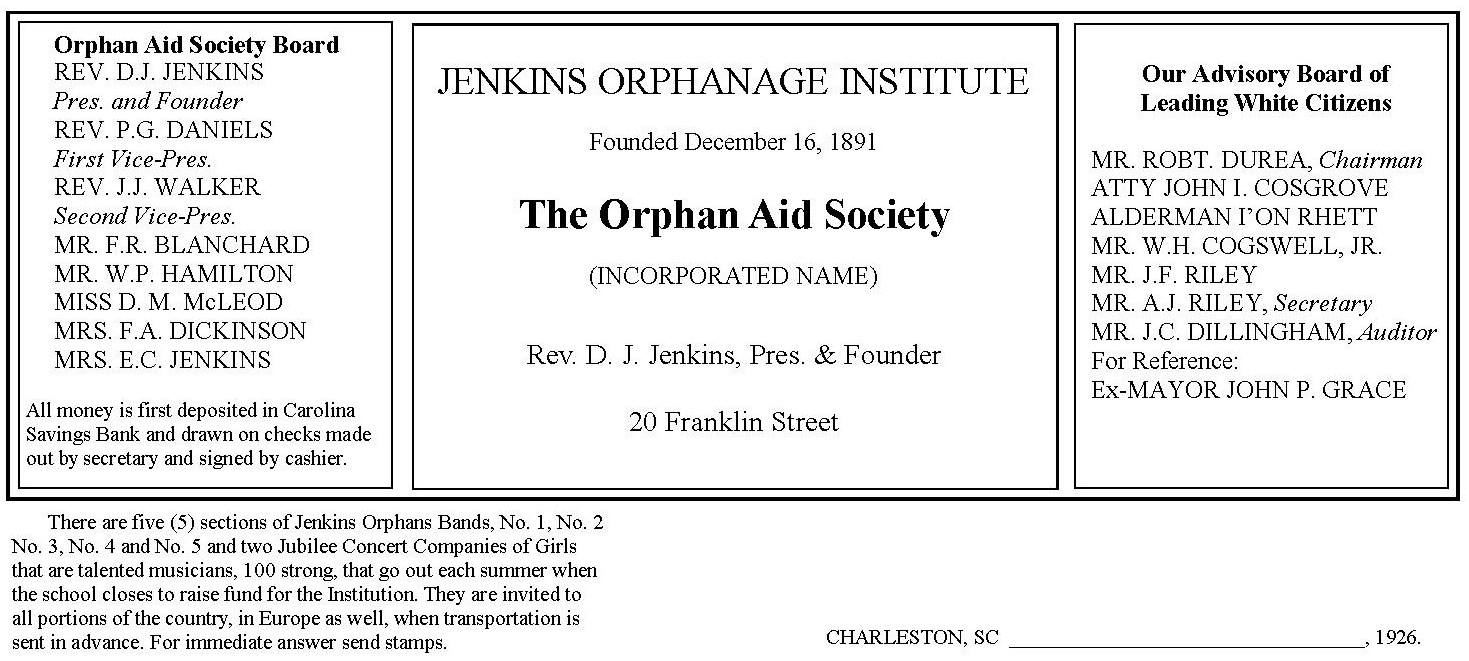
By this time, the Jenkins Orphanage Bands were spread out across the eastern United States every year, bringing in more than $10,000 annual income for the Orphan Aid Society. Each band traveled with a male chaperone, often a minister, a cook and a valet to care for the uniforms and instruments. Because they were blacks traveling across the country during the Jim Crow Era of America, the chaperone also carried a letter of introduction from the mayor of Charleston to be given to the mayor or police chief of each town at which they stopped, as proof of their honorable character and intentions. In 1923, the letter read:    

City of Charleston Executive Department, July 12, 1923 

To the Mayor, Board of Alderman and the Officials of any City in the United States

This is to certify that Rev. D. J. Jenkins, President and Founder of the Jenkins Orphanage of this city, has been conducting an orphanage for over thirty-two years, having since connected with it a reform school and industrial farm and a rescue home for girls only. Reports show that he had handled and trained over three thousand little Negro boys and girls. They have been sent here from all portions of the country to be reformed. This he had done practically entirely on voluntary contributions.

There are four brass bands connected with the work, known as the Jenkins Orphanage Bands. We would appreciate anything you may do for him in letting his boys give entertainments and play upon the public streets of your city. It is raising money for a purely charitable work on a small basis, and I will assure you that he has ever managed to keep the order and conduct of his bands so that they have not become a nuisance, but rather a pleasure for the citizens to hear them play.

Rev. Jenkins has a Board of leading white citizens to keep up with the accounts and advise whenever necessary.

Very respectfully,

JOHN P. GRACE

Mayor

The above Jenkins letterhead, 1923, reflected the Jim Crow attitude of the time. The implied racist message of the letterhead is: The Jenkins Orphanage was run by a black man, but there were responsible white citizens monitoring the Orphan Aid Society, assuring donations were used properly. Even after thirty years of success, Rev. Jenkins was still not fully trusted by the white citizens of Charleston.

Today In Charleston History: July 11

1744-Births
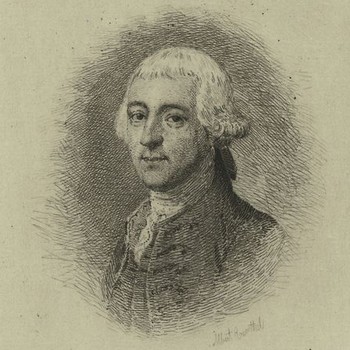
Pierce Butler

Pierce Butler

Pierce Butler was born in County Carlow, Ireland. His father was Sir Richard Butler, member of Parliament and a baronet. Like so many younger sons of the British aristocracy who could not inherit their fathers’ estates because of primogeniture, Butler pursued a military career. He became a major in His Majesty’s 29th Regiment and during the colonial unrest was posted to Boston in 1768 to quell disturbances there. In 1771 he married Mary Middleton, daughter of a wealthy South Carolinian, and resigned his commission to take up a planter’s life in the Charleston area

1783

A Patriot mob led by Commodore Alexander Gillon started a riot against Tories sill living in Charleston, tarring and feathering several Loyalists.

1804- Duel

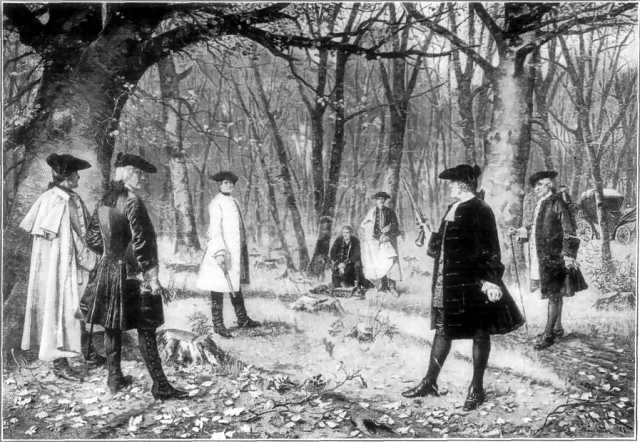
Vice-President Aaron Burr met former Secretary of the Treasury Alexander Hamilton outside Weehawken, New Jersey, in a duel, at the same spot where Hamilton’s son had died in 1801. A letter Hamilton wrote the night before the duel stated:

I have resolved, if our interview [duel] is conducted in the usual manner, and it pleases God to give me the opportunity, to reserve and throw away my first fire, and I have thoughts even of reserving my second fire.

At dawn, the duel began. Hamilton’s shot broke a tree branch directly above Burr’s head. Burr’s shot hit Hamilton in the lower abdomen above the right hip. He died the next day.

Burr was charged with murder and fled to South Carolina where his daughter Theodosia lived with her family. 

Hamilton-Burr duel

Hamilton-Burr duel

1865

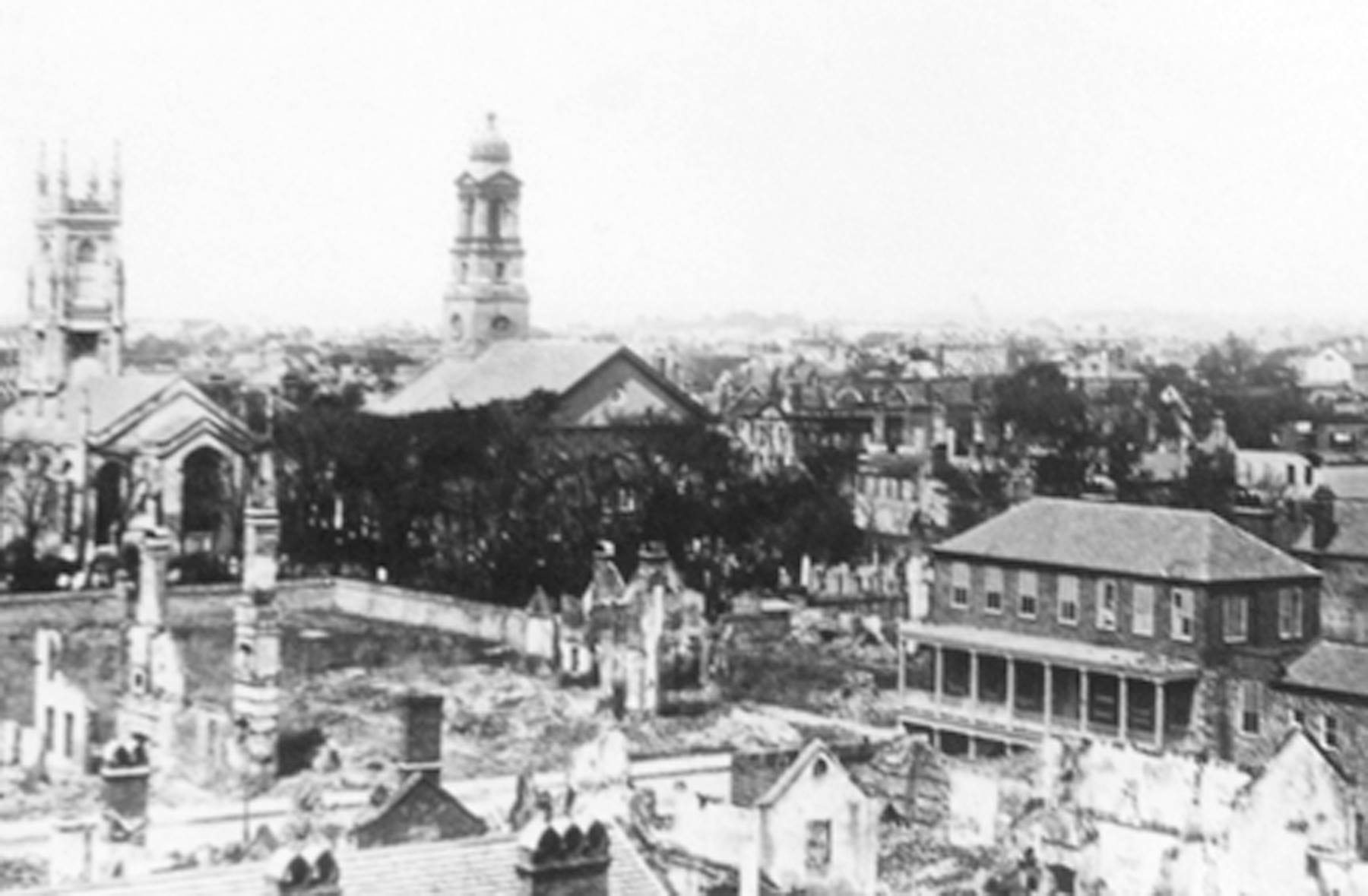
St. John’s Lutheran – the first church hit by Federal fire – became the first Lutheran church to resume services after the War. 

Unitarian Church (left) and St. John’s Lutheran (right), circa 1865

Today In Charleston History: July 10

1667

Captain Robert Sandford entered what is now Charleston harbor and sailed up river, which he named Ashley, for Lord Proprietor Anthony Ashley Cooper.

1804

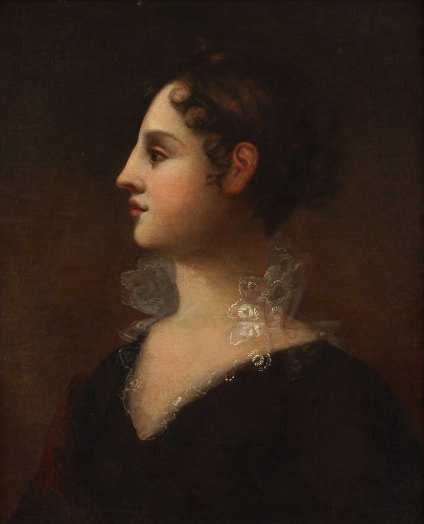
One day before his duel with Alexander Hamilton in New Jersey, Vice President Aaron Burr wrote a long letter to his daughter, Theodosia, in Charleston:

Theodosia Burr Alston by John Vanderlyn - New York Historical Society

Theodosia Burr Alston by John Vanderlyn – New York Historical Society

Having lately written my will, and given my private letters and papers in charge of you, I have no other direction to give you on the subject but to request you burn all such as, if by accident made public, would injure any person. This is more particularly applicable to the letters of my female correspondents.

I am indebted to you, my dearest Theodosia, for a very great portion of the happiness which I have enjoyed in this life. You have completely satisfied all that my heart and affections had hoped or even wished.

Burr then wrote a letter to his son-in-law, Joseph Alston, explaining the reason for his instructions about his property:

Joseph Alston

Joseph Alston:

I have called out General Hamilton, and we meet to-morrow morning. Vanness will give you the particulars. The preceding has been written in contemplation of this event. If it should be my lot to fall … I shall live in you and your son. I commit to you all that is most dear to me – my reputation and my daughter.

Today In Charleston History: July 9

1786

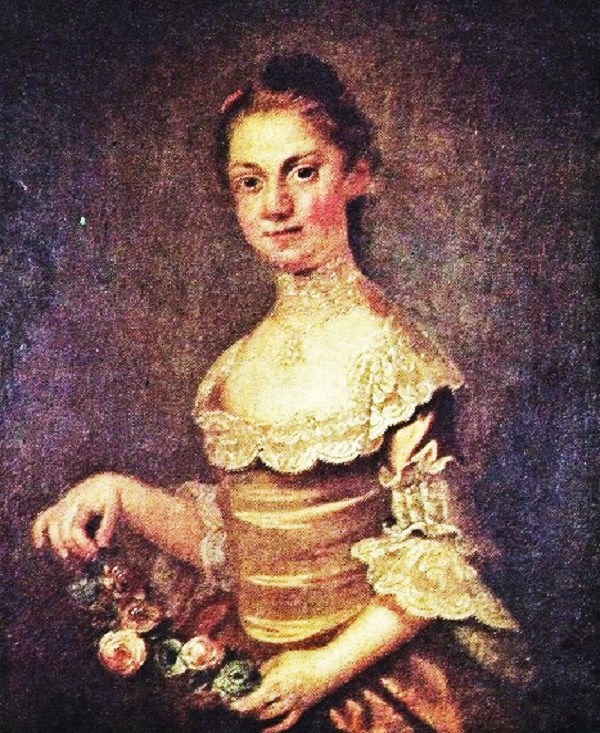
Martha Laurens Ramsay

Martha Laurens Ramsay

Dr. David Ramsay returned to Charlestown from New York (serving a term in Congress) and took over the treatment of the ailing Henry Laurens. It was during this time he first met Martha Laurens whom he soon married. 

1781-American Revolution.  

The Charlestown patriots exiled in St. Augustine received word of the prisoner exchange negotiated between Cornwallis and Gen. Greene.

1793

The murder of Stephen Saint Johns by his slave, Titus, sent shockwaves through the white community. Titus was executed in Charleston for that murder.

1900

The Evening Post reported:

A HORSELESS CARRIAGE
First of the Vehicles In Charleston Appeared Today

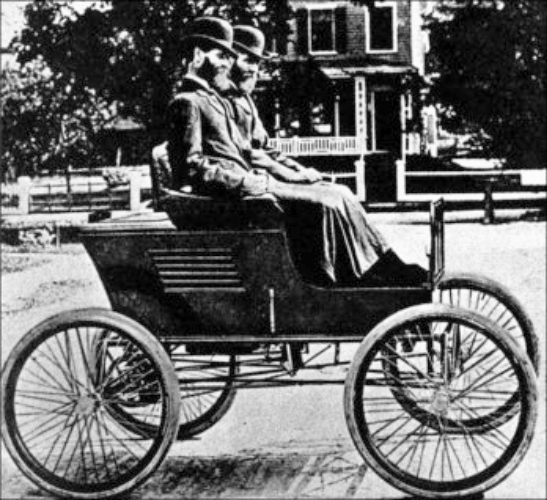
“Yonder she comes,” “Gee whiz,” “Gol darn” and similar expressions of surprise and admiration on King Street this morning arrested the attention of pedestrians who turned to see a vast crowd of small boys chasing excitedly after a vehicle, the like of which had never been seen in Charleston before this day, July 9, 1900, A.D.

locomobile

1900 Locomobile

It was a horseless carriage and the rubber tires of its four wheels did not amount to one-tenth of that displayed in the necks of Charlestonians who craned themselves to catch a sight of the vehicle. It was evidently a red letter occasion for Charleston – the horseless carriage and a big convention all on one day. Surely this was a great glory.

The horseless carriage in Charleston is not an automobile, but a Locomobile, the difference being that the former uses electricity for motive power while the latter is propelled by gasoline.

The Locomobile at present in the city is the property of Colgate & Co. of New York, used to advertise Octagon soap. And it surely fulfilled its mission in Charleston today. Everyone has seen it, the men exclaiming “Oh,” and the ladies “Ah” as they viewed it with great delight. It is a neatly constructed vehicle, after the style of a one-seated trap… The “loco” will probably be in the city for two or three weeks.

1919

Lt. James Reese Europe

Lt. James Reese Europe

After the murder of their director, James Reese Europe, the Hellfighter’s Band was reorganized under the leadership of Gene Mikell. Mikell, a native of Charleston and former director of the Jenkins Orphanage Band, had served as the assistant director of the Hellfighters Band during World War I across Europe. James Europe had been murdered in a backstage argument in Boston by Hellfighter’s drummer, Herbert Wright, also a former member of the Jenkins Orphanage Band.

As “a tribute to the late leader of this band” the Hellfighters played a successful concert at the Manhattan Casino and served as the headliner at one last Carnegie Hall concert.

Listen to the music of the Hellfighters Band:

Today In Charleston History: July 8

1779-American Revolution. Slavery

The legislature rejected “with horror” a Congressional recommendation that South Carolina “raise three thousand black soldiers.” Christopher Gadsden wrote that this “dangerous and impolitic Step … much disgusted us.” 

1781-British Occupation

Issac Hayne

Issac Hayne

Col. Issac Hayne was arrested by the British who came to rescue General Williamson. Lord Rawdon, living at Miles Brewton’s house on King Street, decided to make an example out of Hayne – to send the message to other men who swore allegiance to the British, but continued to fight for the Patriots. Without an official court martial, Rawdon ordered Hayne’s execution.

Hayne was held prisoner in the Provost dungeon of the Exchange building.

1864-Bombardment of Charleston   

Gus Smythe wrote to his mother:

The shells that are coming to us are the large ones, & they do make a pretty noise when they burst. Not every close to the Steeple however. The nearest have been in Chalmers St. This [St. Michael’s Church] is quite a lion now of the city, & every young lady who comes to town, must go up the Steeple. The view up here is beautiful, besides the interest one naturally takes in looking at the various batteries.

1903

 The Board of Park Commissioners approved the name of the new park on the site of the Exposition. It was to be named in honor of Wade Hampton, former Civil War general and South Carolina governor.