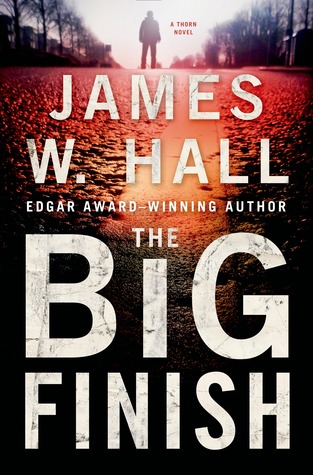
A Review: The Big Finish by James W. Hall

big finishThis is the fourteenth (and the last, according to author Hall) of the series featuring Thorn, a moody, volatile loner type living in the Florida Keys, sparsely subsisting on the income he makes from tying fishing flies. To say Thorn finds trouble without looking for it is like saying Lady GaGa attracts bad clothes just walking down the street.  A list of the Thorne books in order.

The first half dozen Thorn novels are outstanding examples in the sub genre which we now call “Florida crime fiction” – whose most notable practitioners are John D. MacDonald, Elmore Leonard and Carl Hiaasen.   Rich in atmosphere, and populated with greedy developers, drug dealers, hookers, crusty old salts, and various other assorted lowlifes, every Thorn novel is a  mini-vacation to south Florida. 

One of the strengths of the books is that author Hall allowed Thorn to age; he’s not as tough as he used to be and the world is changing around him at a bewildering rate which he is loathe to keep pace with. But as the series moved toward books #10 and onward, the books began to feel slightly half-hearted.

This time around the (more than usual) convoluted plot concerns eco-terrorists, Thorn’s son (who he has only realized he had) and an unbelievable former FBI agent villain so inept it’s no wonder she didn’t remain a Federal agent. The only character who stands out is an ex-con enforcer named X-88 whose sense of smell is otherworldly and whose ruminations about death and his medical condition are (by far) the entertaining parts of the story.

Sadly, The Big Finish is anything but … It is a weak ending for a great series of novels that should be read by anyone who enjoys modern crime fiction. I highly recommend you go start with the first Thorn book, Under Cover of Daylight and keep going through the rest of the books, but I warn you, the big finish is  disappointing and tiny. Maybe because Mr. Hall had raised readers expectations with so many great books before …

3 palmettos


Today In Charleston History: January 15

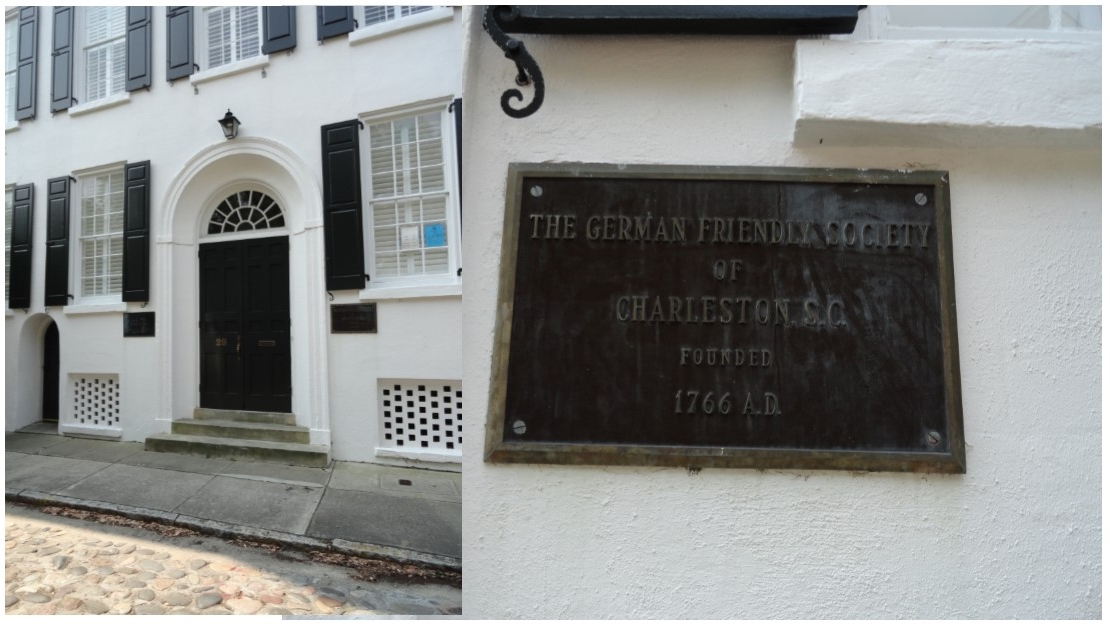
1766

The German Friendly Society was organized in the home of Michael Kalteisen. The rules decreed that either German or English had to be spoken at the meetings. They still hold weekly meetings. 

German Friendly Society, Chalmers Street. close-up of marker on building.

German Friendly Society, Chalmers Street. close-up of marker on building. Photos byMark R. Jones

1778 – Disasters

A major fire started at the corner of Queen and Union (now State) Street. Aided by a blustery wind it burned across Charleston for seventeen hours, destroying hundreds of buildings, including most of the holdings of the Charleston Library Society, Peter Timothy’s printing shop, and Charles Pinckney, Junior’s house on Queen Street. The city was “smoking ruins, and the constant falling walls and chimneys.”

1821

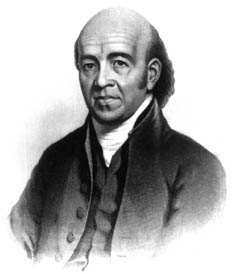
Charleston Councilman, John J. Lafar warned Rev. Morris Brown that the city would not tolerate “instructional school for slaves” as “education of such persons forbidden by law.”

Rev. Morris Brown

Rev. Morris Brown

Morris Brown was born a free black in Charleston in 1770. In 1813 he traveled to Philadelphia with another free black, Henry Drayton, to collaborate with the Rev. Richard Allen in the founding of the country’s first African Methodist Episcopal Church (AME). Brown was a prosperous shoemaker by trade and charismatic religious leader in Charleston’s black community.  Brown and Drayton were ordained as pastors by Allen and returned to Charleston with the goal of establishing an AME congregation locally.

They discovered their church, Bethel Methodist, was embroiled in a controversy. White church trustees had voted to construct a hearse house (a carriage house / garage for storing hearses) on top of the black cemetery. Brown and Drayton led an exodus of 4300 free blacks and slaves from the church and began construction of an independent African Methodist Church at the corner of Anson and Boundary (now Calhoun) Streets.

White Charlestonians regarded the black church as “dangerous bastions of slave autonomy” and routinely disrupted the services and threatened to close the churches. Their fear was that a “latter-day Moses” would emerge from the congregation, so every Sunday service was attended by “white authorities routinely … in the back pews.”

Councilman Lafar’s warning to Rev. Brown was a not-so-subtle reminder that the city white authorities were watching their activities. 


Today In Charleston History: January 14

1784

Congress ratifies the Treaty of Paris, officially ending the American Revolutionary War. The treaty was negotiated in 1783 by Benjamin Franklin, John Jay, John Adams and Charleston’s own Henry Laurens, who had been imprisoned in the Tower of London as a traitor to the King. The secretary for the American delegation was Lauren’s teenage daughter, Martha Laurens (later Ramsay).

treaty of paris

1785
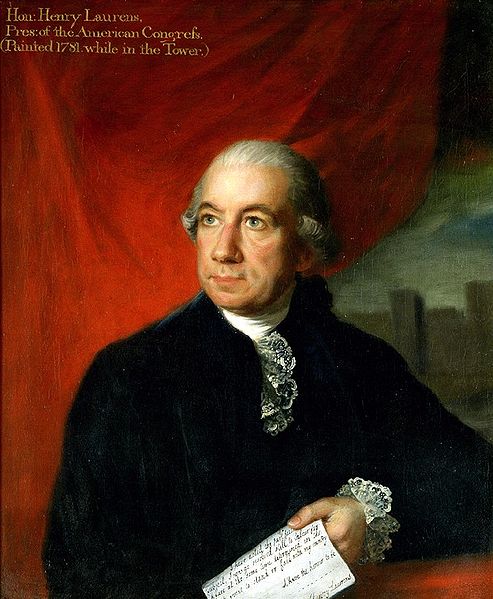
Henry Laurens

Henry Laurens

Henry Laurens returned to Charleston. He had been absent for more than five years as a prisoner of the British.

In 1780, the Continental Congress appointed Laurens as American minister to the Netherlands, in order to procure financial support for the Revolution. Laurens was captured by the British on the open sea, declared a traitor and imprisoned in the Tower of London for 16 months, where his health steadily deteriorated. 

After his release, Laurens spent the next two years recuperating in Europe. Upon his return to South Carolina,  he wrote that he had “become a stranger in my native land.” He estimated that damage to his property exceeded £40,000.

1864 – Bombardment of Charleston  

Gen. Beauregard wired the Confederate government in Richmond, Va.:

Fire of enemy on city for last two days has been almost continuous … Although averaging over 100 shots a day, only one person wounded … enemy threw yesterday 273 shells at city; over one fourth fell short; some ranged nearly five miles. Two fires occurred; not much damage; nobody hurt.

bombardment illustration

1868
South Carolina Constitutional Convention meets with a black majority for the first time in history. It included 76 Blacks and 48 whites, and all but four were Republicans. 
     The Convention met in Charleston for fifty-three days at the Charleston Club House on Meeting Street (current location of the Waties Waring Judicial Center), completing their work on March 17, 1868. A few of the most important changed in the new constitution were: 
     (1) Confirmed South Carolina’s membership in the Union. (2) Prohibited discrimination based on race or color. (3) Gave women the right to control their own wealth, and to get divorced. (4) Declared public schools to be available to ALL citizens. As Nic Butler declared, it was “the most democratic and equitable of the seven constitutions in the history of this state.” 
     On March 16, 2018, a historical marker on the site of the former Charleston Club, was erected commemorating the 1868 South Carolina Constitutional Convention was unveiled. To read the proceedings of the Convention, CLICK HERE.
charleston club - robert stockton - the great shake

Charleston Club, c 1887. Severely damaged by the 1886 earthquake. From Robert Stockton, “The Great Shake.”

Today In Charleston History: January 13

1680

Four acres of land were granted to Anglican minister, Rev. Atkin Williamson, by Originall Jackson who wrote he was:

excited with a pious zeal for the propagation of the true religion which we profess … the divine service according to the form and liturgy now established to be duly and solemnly performed by Atkin Williamson.

One year later, Rev. Williamson was dismissed from the pulpit “for baptizing a bear while drunk.” Whether it was the bear or the reverend that was drunk was never specified. 

1733 – Arrivals
James Oglethorpe

James Oglethorpe

James Oglethorpe and the first settlers for Georgia arrive in Charlestown on the Anne. The merchants of Charlestown were excited and supportive of the new Georgia colony. An English settlement between St. Augustine and Charlestown to them it meant greater security against the Spanish.

The Assembly voted £2000 for the assistance of the Georgia effort and Colonel William Bull accompanied the expedition several days later when they sailed to Beaufort.

1865

Preparations for Sherman’s expected attack on Charleston were under way. Charleston’s military officials had reports that both the Union Seventeenth and Fifteenth corps were moving up the coast from Savannah.

Today In Charleston History: January 12

1723

colonel-william-rhettCol. William Rhett died of apoplexy in Charlestown. He was described as “greedy, violent, vulgar, lawless, brave, impulsive, generous … greedily violating law and propriety for bigger profits, insulting the noble and courteous Gov. Craven.” He was also one of the most important citizens of early Charles Town. Rhett served as colonel of the Provincial Militia, receiver general of the Lords Proprietors of Carolina, surveyor and comptroller of customs for Carolina and the Bahama Islands. 

In 1706 Rhett commanded a flotilla that fought off a Franco-Spanish attack on Charles Town.Ten years later, he outfitted two ships as pirate hunters – the Henry and the Sea Nymph, each with eight guns and a crew of between 60 and 70 men. Rhett assumed the position of captain of this small flotilla and led it to victory in the 1718 Battle of Cape Fear River, capturing the infamous Stede Bonnet, the so-called “gentleman pirate.”

1760 – Epidemics

One of the most severe small pox outbreaks in colonial America started, most likely brought to the city by returning soldiers from the Cherokee Indian expedition.  More than 6000 people contracted the disease, resulting in 380 deaths among whites and about 350 blacks. This led to the first mass inoculation of the Charlestown population, with more than 2000 people taking the shot within a few weeks, more than 600 in one day according to Dr. Alexander Garden.

Three month old Martha Ramsay was pronounced dead of smallpox. Her body was laid out in preparation for a funeral and placed next to an open window. Dr. John Moultrie arrived and pronounced her still alive, speculating she had been revived by the fresh breeze.

Eliza Pinckney wrote: “Many poor wretches … died for want of proper nursing … smallpox rages the city so that it almost puts a stop to all business.”

1773 – Charleston First

Charleston Museum was established – 1st natural history museum in America.

The Charleston Library Society provided the core collection of natural history artifacts for the founding of the Charleston Museum (the first in America) in 1773. Residents were encouraged to donate objects for the new museum on Chalmers Street. Some of initial acquisitions included “a drawing of the head of a bird, an Indian hatchet, a Hawaiian woven helmet, and a Cassava basket from Surinam.”

The museum also acquired “a Rittenhouse orrery, a Manigault telescope, a Camera obscura, a hydrostatic balance, and a pair of elegant globes.”


A camera obscura box with mirror, with an upright projected image at the top

Today In Charleston History: January 11

1775 – American Revolution – Foundations

Exchange Building

Exchange Building

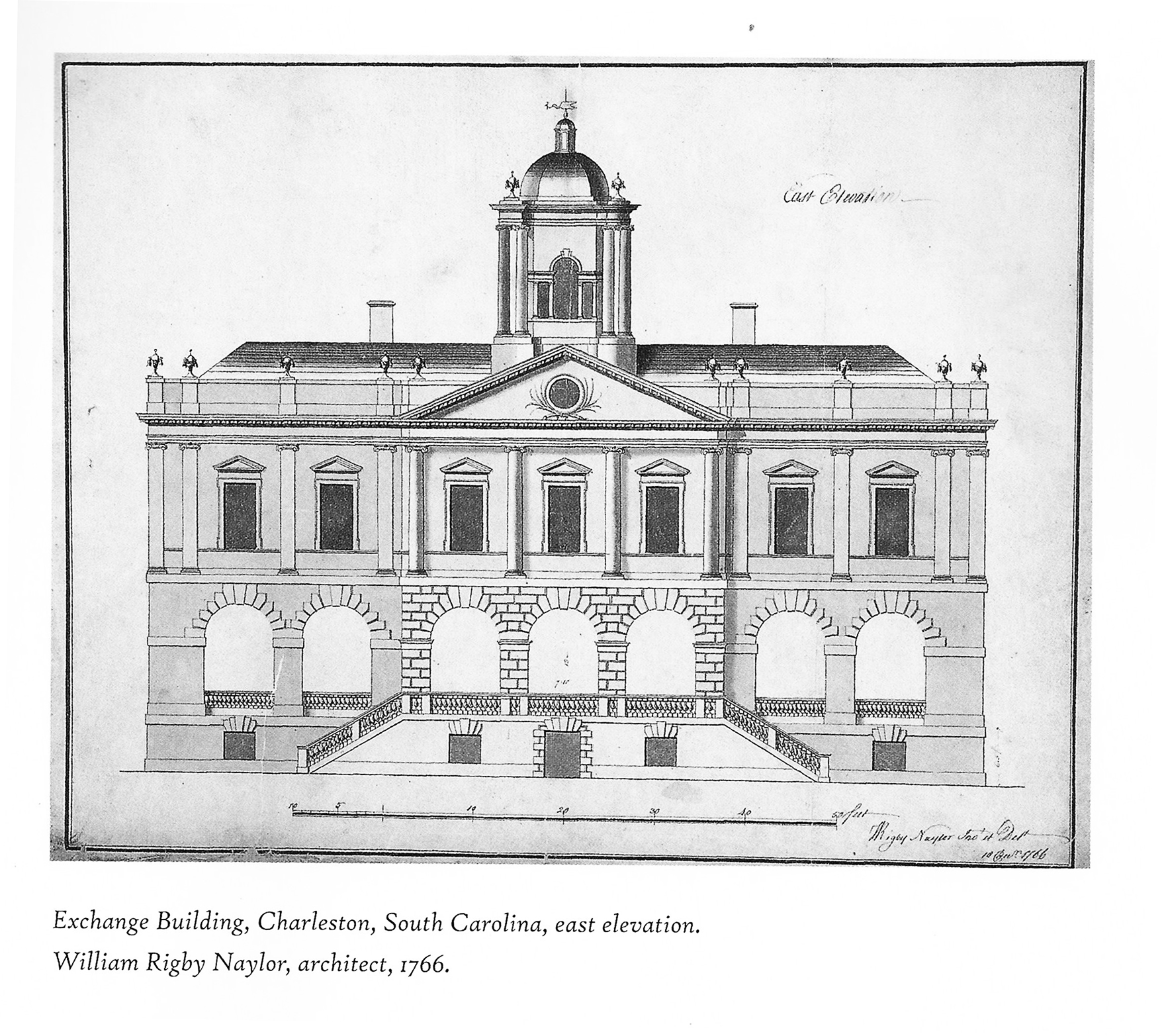
Carolina’s First Provincial Congress convened at the Old Exchange. Charles Pinckney, was chosen as President and Peter Timothy (editor of the South Carolina Gazette) as Secretary. Populated with former members of the Assembly, it declared itself the government of South Carolina independent from British authority.

The General Meeting was to discuss the recommendations of the Continental Congress, which included: 

  • a compact among the colonies to boycott British goods
  •  to provide for a Second Continental Congress to meet on May 10, 1775

 This meeting was the most democratic assembly in South Carolina’s history, consisting of 184 delegates from every part of the colony, including the backcountry.

1777 – American Revolution. Religion

Rev. William Tennant of the Independent Church, and also a member of the Legislature, introduced legislation to disestablish the Church of England in South Carolina. He argued that a State Church discouraged freedom, that goal of the Revolution. 

Today In Charleston History: January 10

1773

Edward Rutledge

Edward Rutledge

Edward Rutledge returned to Charlestown on the ship Magna Carta, after completing his law studies in England. He was given a 640-acre plantation on St. Helena Island by his mother. He and his brother John, became Patriot leaders during the years of the Revolution. Edward was the youngest signer of the Declaration of Independence. In 1798 Rutledge was elected Governor of South Carolina – his last public office. His health declining, he was barely able to complete his term as Governor. 

1800

Edward Rutledge suffered a severe stroke and died a few days late at age 50. 

1803

The Charleston Courier began publication, the present day Post and Courier. It is the oldest daily newspaper in the South, and one of the oldest continuously operating newspapers in the United States.

1815- Deaths

Rebecca Brewton Motte died on her plantation. 

Rebecca was the daughter of Robert Brewton, a wealthy resident of Charlestown. She married Jacob Motte in 1758, a plantation owner and involved in politics. Rebecca’s brother Miles Brewton, was one of the richest men in the South; he owned eight ships and was South Carolina’s largest slave dealer as well  owning several rice plantations including Mt. Joseph. He and his family were lost at sea on their way to Philadelphia.

Rebecca Brewton Motte

Rebecca Brewton Motte

Upon his death, Rebecca and her family moved into her brother’s lavish mansion on King Street. In 1780, Charlestown surrendered to the British forces and her home was used as quarters for Gen. Clinton and his staff.  Her husband, Jacob, lay ill on the second floor and the Mottes were crowded into a small area, while the British lived in comfort in the large rooms. Rebecca divided her time between the invaders, her invalid husband and her three young daughters, who were not allowed out of their rooms while the British were in the house. 

In the fall of 1780  Rebecca left Charlestown and moved to Mount Joseph Plantation on the Congaree River with her three daughters and niece-in-law Mrs. John Brewton, However, the British forces, led by Lt. Donald McPherson, seized the plantation mansion and made it it a military post. They threw up earthworks and dug a deep ditch around the house, and called it Fort Motte.

Once again, the Motte family was crowded into a few rooms in their own home while British officers occupied the remainder. Lt. McPherson finally moved the family to the overseer’s house on the property – a rough structure, covered with weather-boards, and only partially finished.

When General Nathanael Greene returned to South Carolina with his Continental Army, he reinforced General Francis Marion’s brigade with Lt. Col. Henry Light Horse Harry Lee (father of Robert E. Lee) and his Legion. The task of this combined force was to capture and destroy the line of British forts that protected communications and supplies between their Charlestown headquarters and the interior of South Carolina, one of which was Fort Motte.

Fearing that British reinforcements were on the way, Marion and Lee decided to attack at once, deciding to set fire to the mansion house and burn the British out. When they informed Rebecca of their plan to burn the house she responded, “Do not hesitate a moment, I will give you something to facilitate the destruction.” She handed General Lee a quiver of arrows from the East Indies which, so she had been told, would set fire to any wood.

The combustible arrows were fired from a musket; two of them sputtered out, but the third one hit its mark and set fire to the roof of the house. The British, coming out of the attic dormer windows to put out the flames, were easy targets for the riflemen and six-pound cannon. They were quickly driven back inside, and the British captain ran up the white flag, fearing they would be blown up if the gunpowder stored in the house were set on fire. Together, British and American soldiers put out the flames.

Mrs. Motte directing Generals Marion and Lee to Burn Her Mansion to Dislodge the British. By John Blake White.

Mrs. Motte directing Generals Marion and Lee to Burn Her Mansion to Dislodge the British. By John Blake White.

Today In Charleston History: January 9

 1803 – Births.

memminger

Christopher Memminger

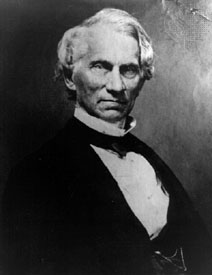
Christopher Gustavus Memminger was born in Vaihingen an der Enz, Germany. His father, Gottfried Memminger, a military officer, died in combat a month after his son’s birth. Eberhardina Kohler Memminger, and her son Christopher immigrated to Charleston. He was placed in the Charleston Orphan House at age five after his mother died of yellow fever. It was noted by the Orphan officials that Christopher showed “a great native genius, particularly in mathematics.”

 At age ten, Memminger was taken in by Thomas Bennett, Jr.and two years later, he enrolled in South Carolina College (University of South Carolina) and graduated second in his class at age sixteen. He became a prominent lawyer and politician. He served as the first Treasurer of the Confederacy.

1861 – Secession.

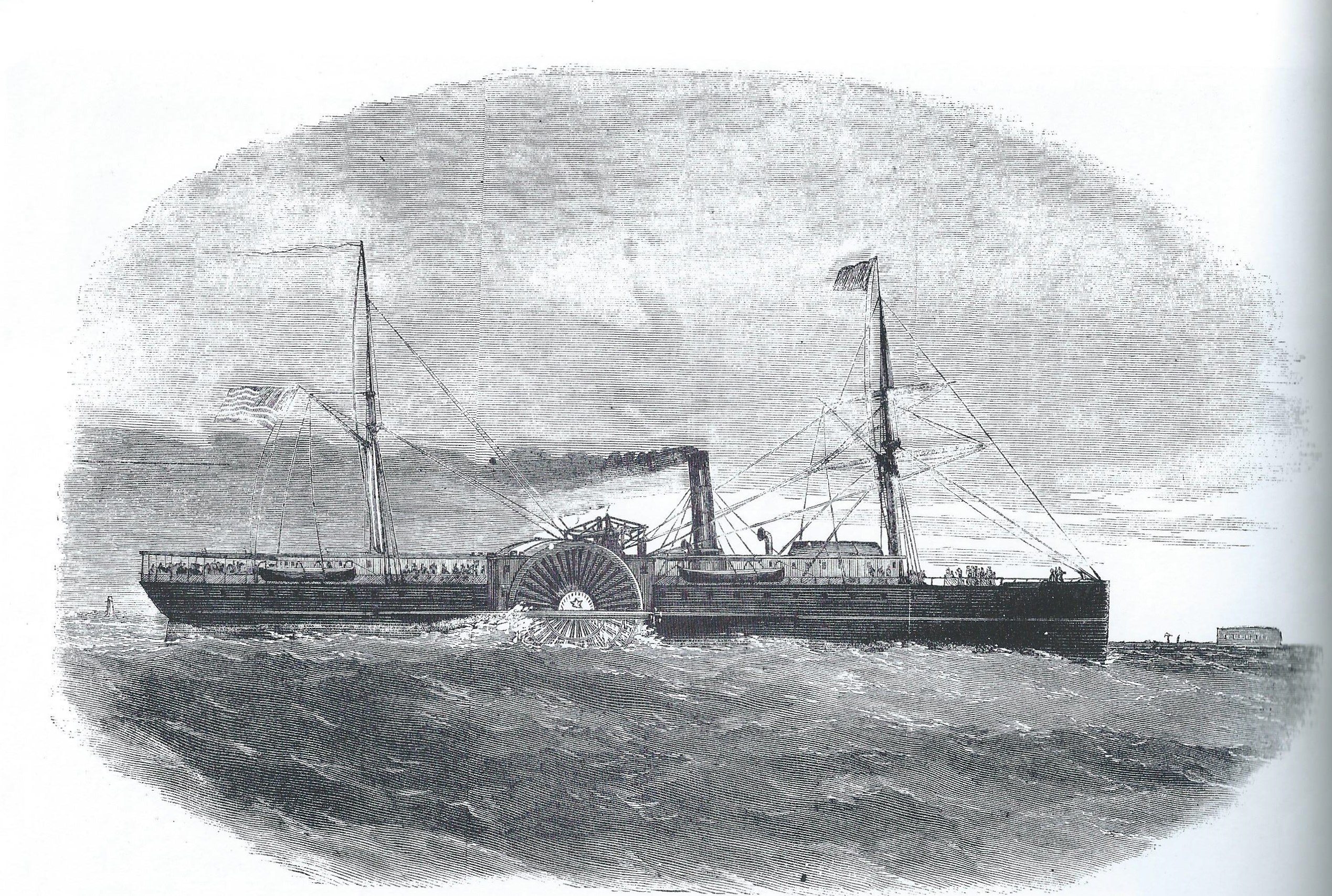
The Union merchant ship, Star of the West, was fired upon as it tried to deliver supplies to Fort Sumter in Charleston Harbor. The Star, built by Cornelius Vanderbilt, was a 1,172 ton, two-deck steamship, a length of 228.3 feet (69.6 m) and a beam of 32.7 feet (10.0 m) and with wooden hullside paddle wheels and two masts.
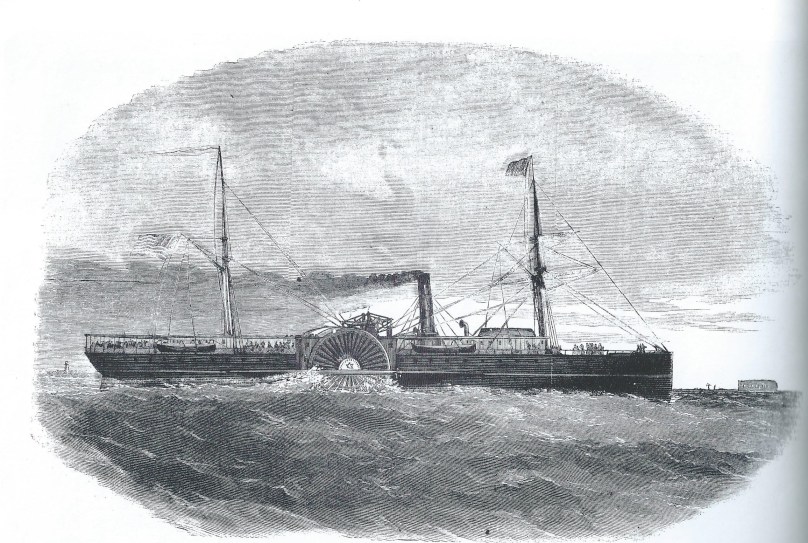
star of the west

Star of the West

When South Carolina seceded on December 20, 1860, it demanded the immediate withdrawal of the Federal garrison at Fort Sumter. President James Buchanan refused to comply with this demand, but was also careful not to make any provocative move. Inside the fort, Major Robert Anderson and his 80 soldiers needed supplies so Buchanan decided, in order to keep tensions from erupting even more, to dispatch an unarmed civilian ship, Star of the West, instead of a military transport.

The Star left New York on January 5, 1861. After the ship was en route, Secretary of War Joseph Holt received a dispatch from Anderson saying supplies were not needed immediately. Holt realized that the ship may be in danger and war might erupt. He tried in vain to recall the Star of the West, and Anderson was not aware that the ship continued on its way.

The Charleston Mercury newspaper wrote on January 6:

Despatches from New York say that the steamer Star of the West of the Panama line, coaled up yesterday with unusual celerity. The rumor is that she is to carry troops to Charleston, but this is ridiculed at the Steamship Company’s Office.

On January 8 the Mercury reported, in all capital letters:

UNITED STATES TROOPS HASTENING FROM ALL POINTS SOUTHWARD. THE STAR OF THE WEST, WITH REINFORCEMENT FOR ANDERSON, DUE HERE TODAY.

The people of Charleston were feverish with excitement. They spent the afternoon sitting on the roofs of mansions with spyglasses staring out at sea.

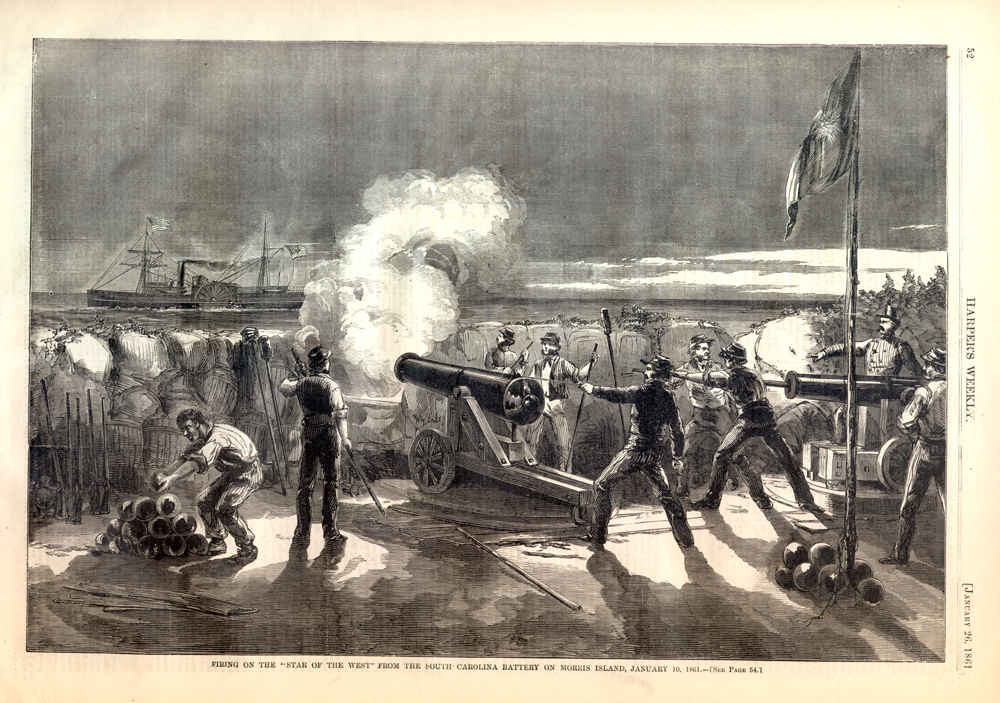
A few minutes past six in the morning of January 9, Star of the West captain John McGowan steered the ship into the channel near the fort, passing Morris Island.  A week before, South Carolina governor Francis Pickens had ordered a hastily-built battery on the island, on the site of an abandoned hospital. Manned by about 200 infantrymen and about fifty Citadel cadets, trained in artillery usage. During that frantic week, the cadets had managed to build a battery of 24-pounders, facing east, hidden behind sand dunes and sand bags.

It was just after Reveille when the sentries on Morris Island spied the Star of the West . Major Peter F. Stevens gave the order, “Commence firing.” Two cannon shots roared from a South Carolina battery on Morris Island. the shots skipped in front of the Star and splashed harmlessly into the water. They came from cadet gunner George E. Haynsworth.  In all, seventeen shots were fired and the Star suffered a minor hit. Not being a military vessel and never before been engaged in battle, Capt. John McGowan decided to turn around and exit the harbor. From the beginning to end the entire episode had lasted forty-five minutes.
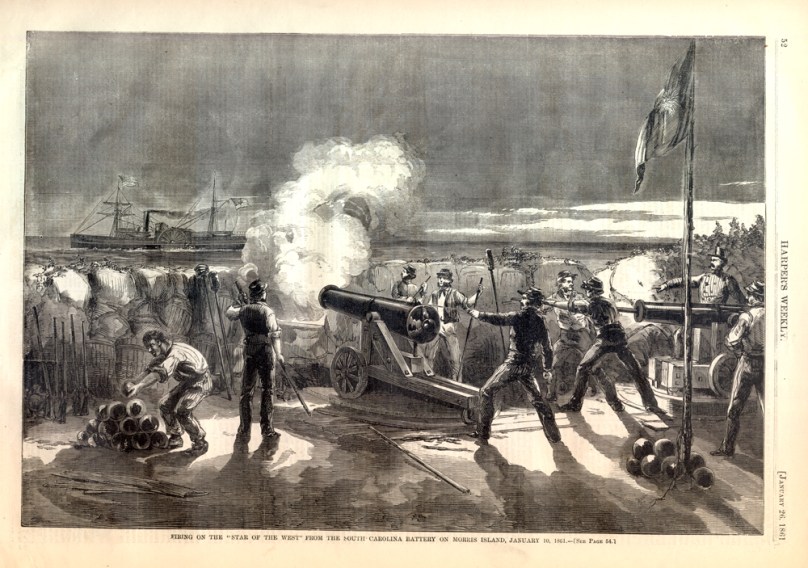
Firing on the Star of the West - Harper's Weekly.

Firing on the Star of the West – Harper’s Weekly.

 The next day the Charleston Mercury crowed: 

Yesterday will be remembered in history. The expulsion of the Star of the West from Charleston Harbor yesterday morning was the opening ball of the Revolution. We are proud that our harbor has been so honored. The State of South Carolina, so long and so bitterly reviled and scoffed at has thrown back her enemies.

Lt. Smith on the Star of the West humorously wrote:

The people of Charleston pride themselves on their hospitality, but it exceeded my expectations. They gave us several balls before we landed.

Today In Charleston History: January 8

1730

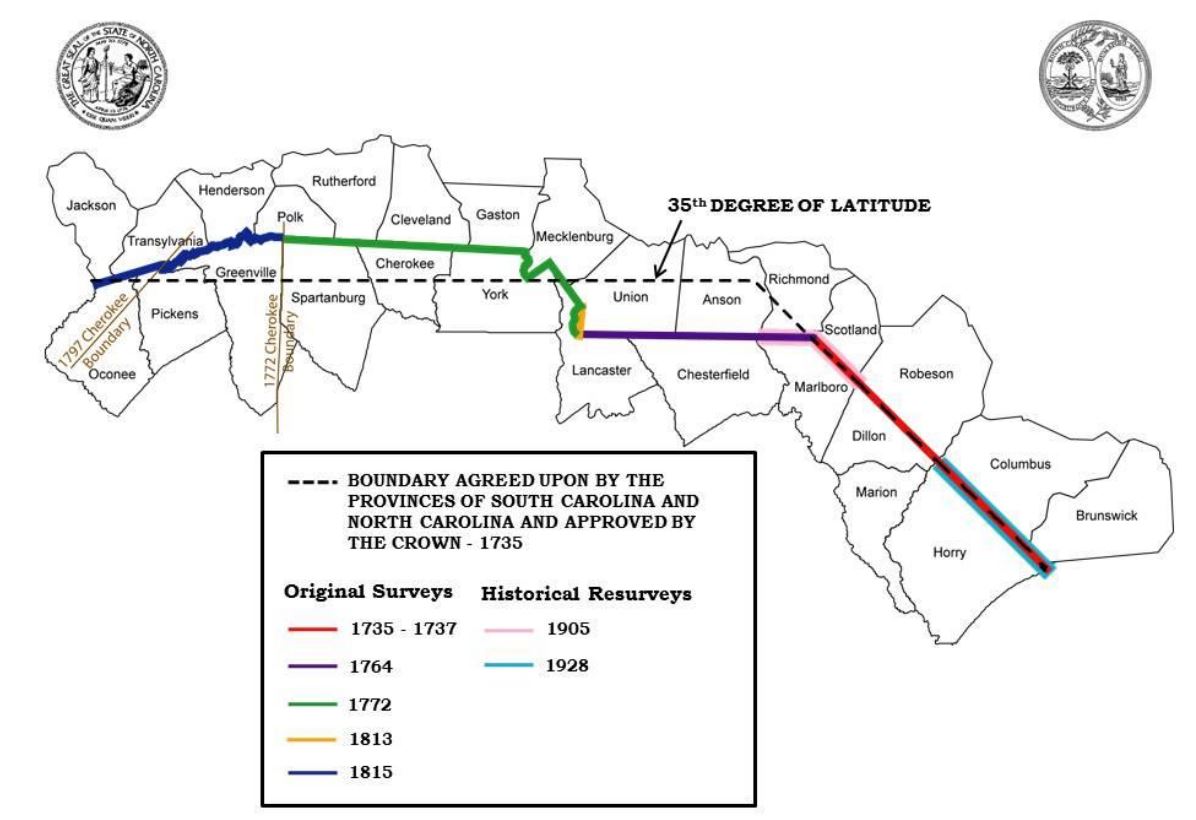
An agreement between North and South Carolina Assemblies declared their border “to begin 30 miles southwest of the Cape Fear river, and to be run at that parallel distance the whole course of said river;” This was the beginning of a border issue not officially settled until 1905, and maybe not even then. In 2013 there was a court case over a boundary issue between the two states. 

Boundary_Surveys_Map

1732

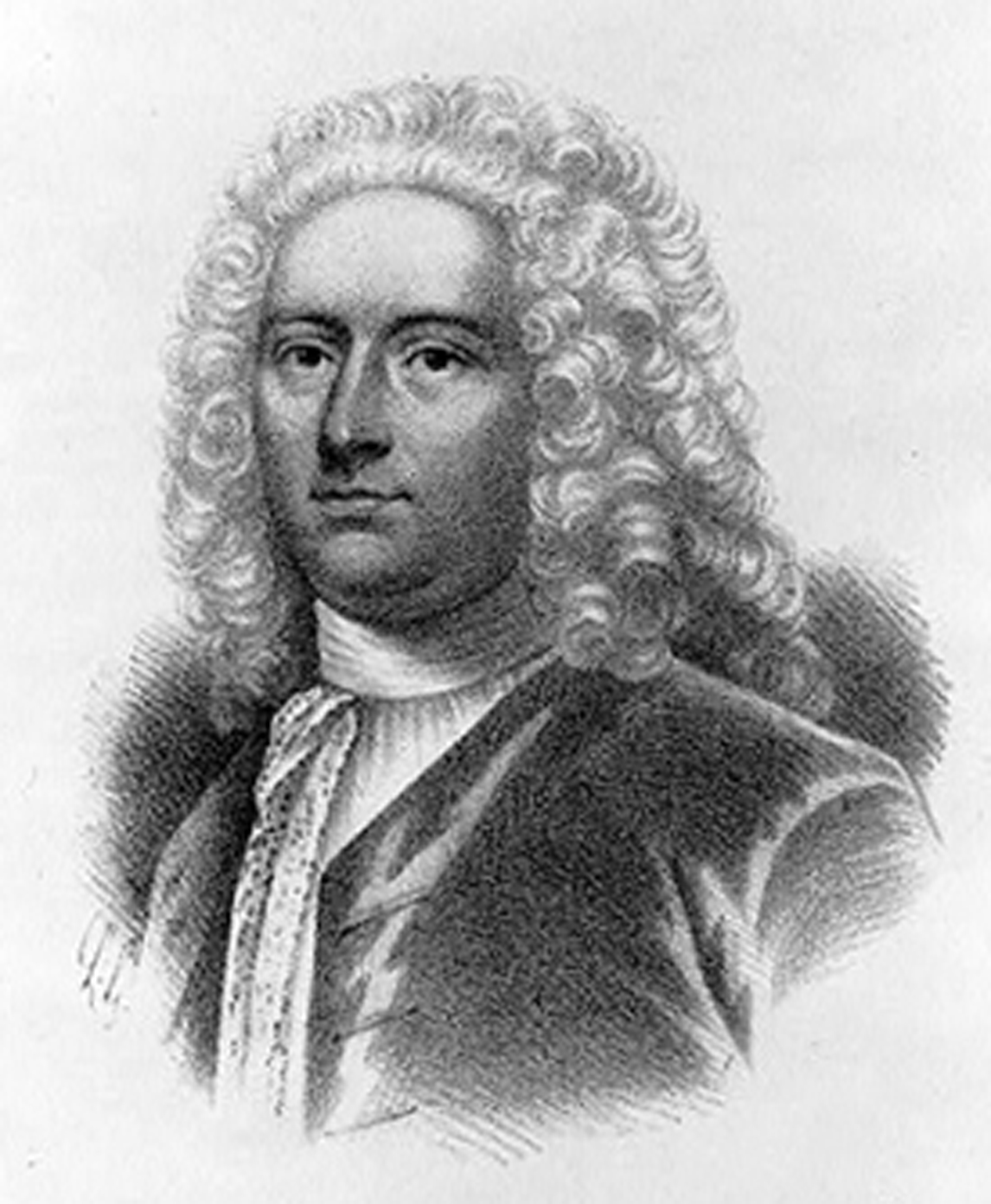
The South Carolina Gazette published its first edition under the editorship of Thomas Whitmarsh, under a franchise with Benjamin Franklin. The paper advertised it “contained the freshest Advices Foreign and Domestick.”

1741

In a letter published in the South Carolina Gazette, Hugh Bryan blamed the recent fire as “part of God’s wrath against the Church.” He called priests “thieves and robbers who did not follow the Foot-steps of our true Shepherd, but coveted the Fleece only.”

Bryan was a religious zealot who was involved in George Whitefield’s “Great Awakening”. One of Whitefield’s themes was the hierarchy of the Church of England, a theme which Bryan passionately embraced.  

1819

The New England Society of Charleston was organized at the Carolina Coffee House (corner of Tradd Street & Bedon’s Alley.) New England merchants were coming to Charleston to purchase cotton for their mills and the coffee house became their meeting place for business and entertainment. 

Today In Charleston History: January 7

1665

Sir John Yeamans

Sir John Yeamans

The Concessions and Agreements between the Lords Proprietors and Sir John and William Yeamans was finalized. This document provided the guidelines for governing and distributing land in Carolina. John became a governor of the fledgling colony and one of its most vital founding fathers. 

1864 – Bombardment of Charleston

The chief commissary gave Gen. P.G.T. Beauregard a report on the availability of meat:

My report of stores on hand made this day shows the stock of meats. The results are not encouraging, and future prospects are bad. Cattle are very scarce. It is said many hogs have died of an epidemic … I respectfully suggest that an order be promptly issued restricting the shipment of all subsistence out of the state … without an early remedy it will be very difficult to get bread before the year closes.

    1865 – Bombardment of Charleston

Five shells were thrown into Charleston, the first since December 20.