Today In Charleston History: January 12

1723

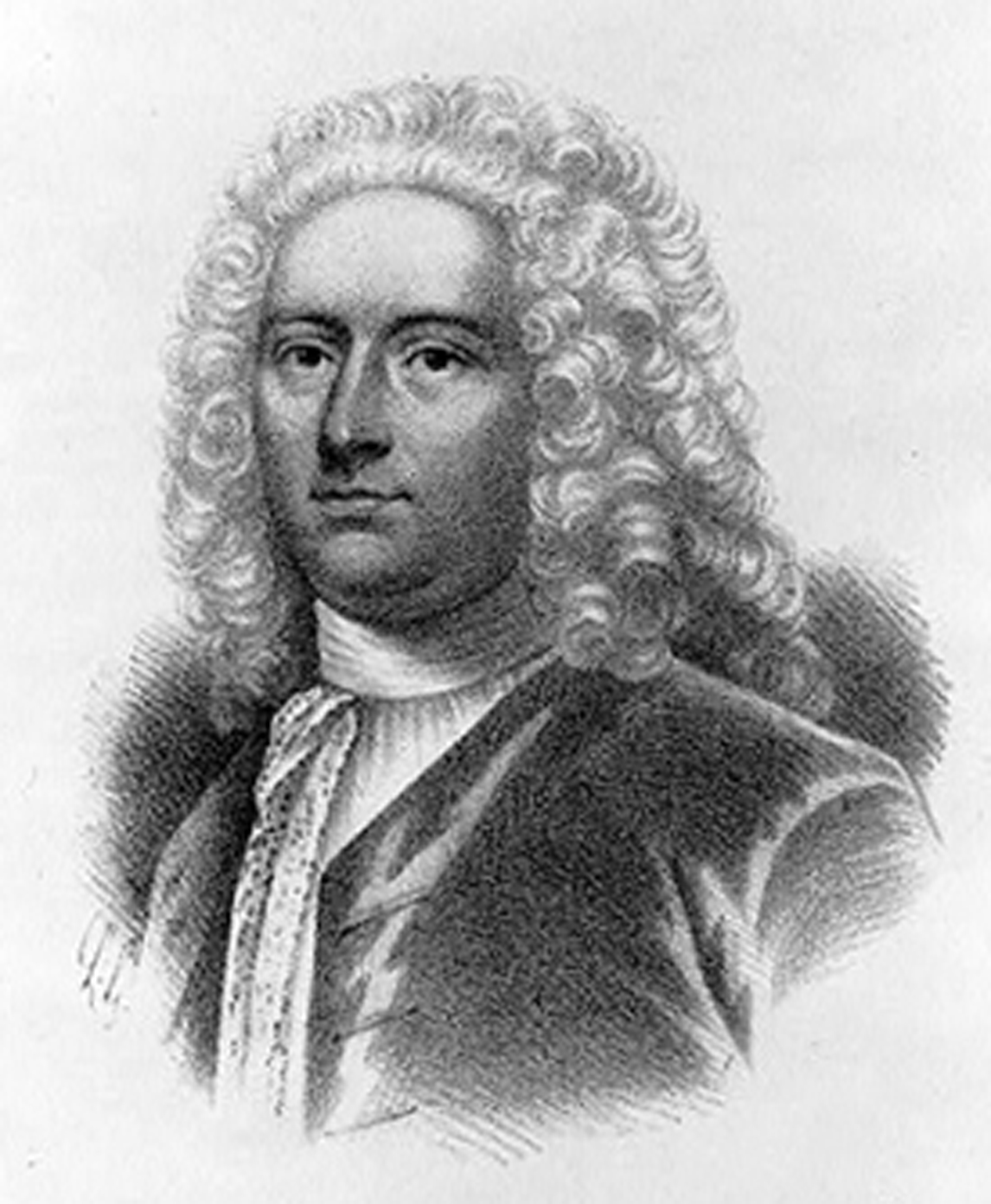
colonel-william-rhettCol. William Rhett died of apoplexy in Charlestown. He was described as “greedy, violent, vulgar, lawless, brave, impulsive, generous … greedily violating law and propriety for bigger profits, insulting the noble and courteous Gov. Craven.” He was also one of the most important citizens of early Charles Town. Rhett served as colonel of the Provincial Militia, receiver general of the Lords Proprietors of Carolina, surveyor and comptroller of customs for Carolina and the Bahama Islands. 

In 1706 Rhett commanded a flotilla that fought off a Franco-Spanish attack on Charles Town.Ten years later, he outfitted two ships as pirate hunters – the Henry and the Sea Nymph, each with eight guns and a crew of between 60 and 70 men. Rhett assumed the position of captain of this small flotilla and led it to victory in the 1718 Battle of Cape Fear River, capturing the infamous Stede Bonnet, the so-called “gentleman pirate.”

1760 – Epidemics

One of the most severe small pox outbreaks in colonial America started, most likely brought to the city by returning soldiers from the Cherokee Indian expedition.  More than 6000 people contracted the disease, resulting in 380 deaths among whites and about 350 blacks. This led to the first mass inoculation of the Charlestown population, with more than 2000 people taking the shot within a few weeks, more than 600 in one day according to Dr. Alexander Garden.

Three month old Martha Ramsay was pronounced dead of smallpox. Her body was laid out in preparation for a funeral and placed next to an open window. Dr. John Moultrie arrived and pronounced her still alive, speculating she had been revived by the fresh breeze.

Eliza Pinckney wrote: “Many poor wretches … died for want of proper nursing … smallpox rages the city so that it almost puts a stop to all business.”

1773 – Charleston First

Charleston Museum was established – 1st natural history museum in America.

The Charleston Library Society provided the core collection of natural history artifacts for the founding of the Charleston Museum (the first in America) in 1773. Residents were encouraged to donate objects for the new museum on Chalmers Street. Some of initial acquisitions included “a drawing of the head of a bird, an Indian hatchet, a Hawaiian woven helmet, and a Cassava basket from Surinam.”

The museum also acquired “a Rittenhouse orrery, a Manigault telescope, a Camera obscura, a hydrostatic balance, and a pair of elegant globes.”

 

A camera obscura box with mirror, with an upright projected image at the top

Today In Charleston History: January 11

1775 – American Revolution – Foundations

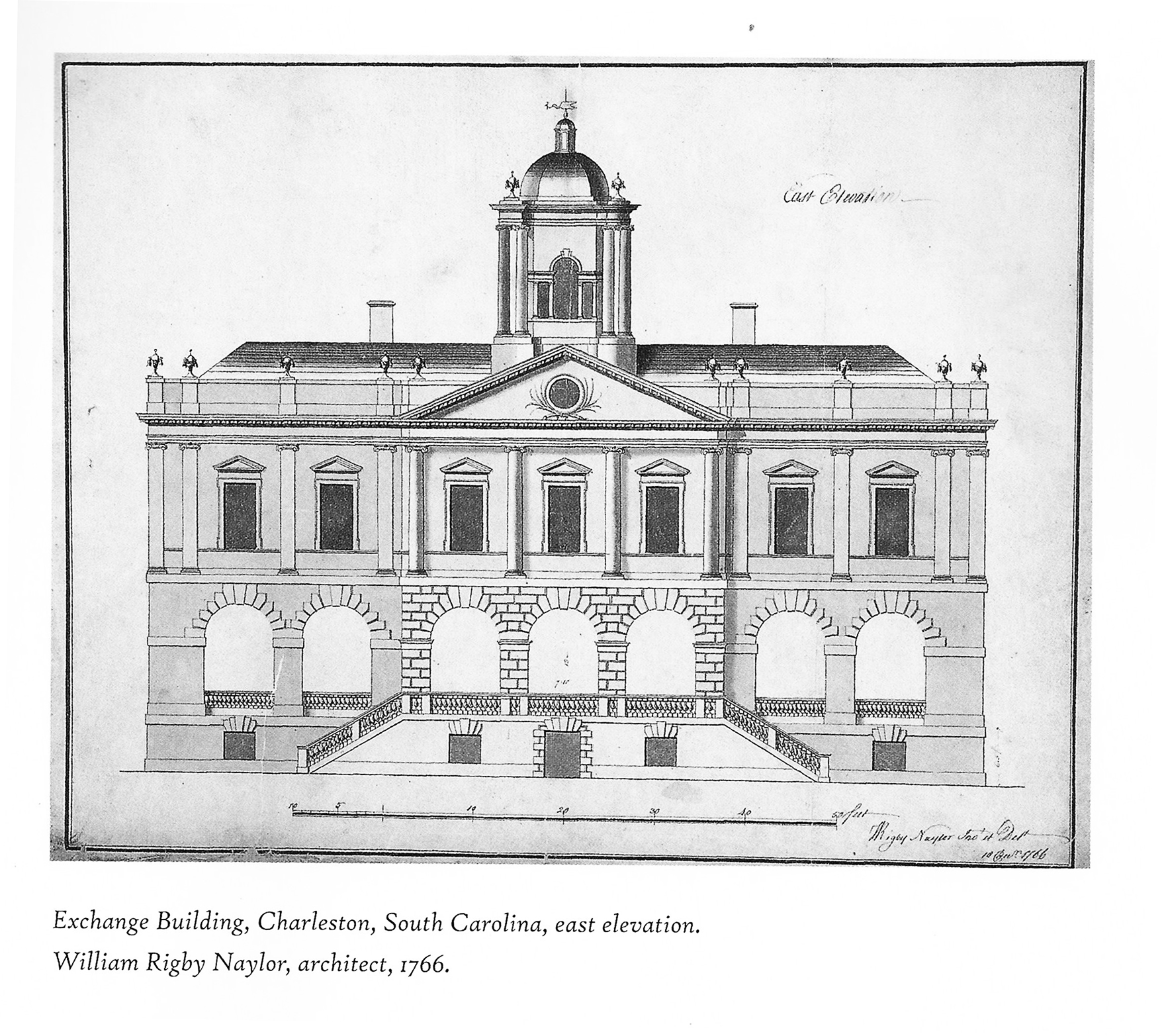
Exchange Building

Exchange Building

Carolina’s First Provincial Congress convened at the Old Exchange. Charles Pinckney, was chosen as President and Peter Timothy (editor of the South Carolina Gazette) as Secretary. Populated with former members of the Assembly, it declared itself the government of South Carolina independent from British authority.

The General Meeting was to discuss the recommendations of the Continental Congress, which included: 

  • a compact among the colonies to boycott British goods
  •  to provide for a Second Continental Congress to meet on May 10, 1775

 This meeting was the most democratic assembly in South Carolina’s history, consisting of 184 delegates from every part of the colony, including the backcountry.

1777 – American Revolution. Religion

Rev. William Tennant of the Independent Church, and also a member of the Legislature, introduced legislation to disestablish the Church of England in South Carolina. He argued that a State Church discouraged freedom, that goal of the Revolution. 

Today In Charleston History: January 10

1773

Edward Rutledge

Edward Rutledge

Edward Rutledge returned to Charlestown on the ship Magna Carta, after completing his law studies in England. He was given a 640-acre plantation on St. Helena Island by his mother. He and his brother John, became Patriot leaders during the years of the Revolution. Edward was the youngest signer of the Declaration of Independence. In 1798 Rutledge was elected Governor of South Carolina – his last public office. His health declining, he was barely able to complete his term as Governor. 

1800

Edward Rutledge suffered a severe stroke and died a few days late at age 50. 

1803

The Charleston Courier began publication, the present day Post and Courier. It is the oldest daily newspaper in the South, and one of the oldest continuously operating newspapers in the United States.

1815- Deaths

Rebecca Brewton Motte died on her plantation. 

Rebecca was the daughter of Robert Brewton, a wealthy resident of Charlestown. She married Jacob Motte in 1758, a plantation owner and involved in politics. Rebecca’s brother Miles Brewton, was one of the richest men in the South; he owned eight ships and was South Carolina’s largest slave dealer as well  owning several rice plantations including Mt. Joseph. He and his family were lost at sea on their way to Philadelphia.

Rebecca Brewton Motte

Rebecca Brewton Motte

Upon his death, Rebecca and her family moved into her brother’s lavish mansion on King Street. In 1780, Charlestown surrendered to the British forces and her home was used as quarters for Gen. Clinton and his staff.  Her husband, Jacob, lay ill on the second floor and the Mottes were crowded into a small area, while the British lived in comfort in the large rooms. Rebecca divided her time between the invaders, her invalid husband and her three young daughters, who were not allowed out of their rooms while the British were in the house. 

In the fall of 1780  Rebecca left Charlestown and moved to Mount Joseph Plantation on the Congaree River with her three daughters and niece-in-law Mrs. John Brewton, However, the British forces, led by Lt. Donald McPherson, seized the plantation mansion and made it it a military post. They threw up earthworks and dug a deep ditch around the house, and called it Fort Motte.

Once again, the Motte family was crowded into a few rooms in their own home while British officers occupied the remainder. Lt. McPherson finally moved the family to the overseer’s house on the property – a rough structure, covered with weather-boards, and only partially finished.

When General Nathanael Greene returned to South Carolina with his Continental Army, he reinforced General Francis Marion’s brigade with Lt. Col. Henry Light Horse Harry Lee (father of Robert E. Lee) and his Legion. The task of this combined force was to capture and destroy the line of British forts that protected communications and supplies between their Charlestown headquarters and the interior of South Carolina, one of which was Fort Motte.

Fearing that British reinforcements were on the way, Marion and Lee decided to attack at once, deciding to set fire to the mansion house and burn the British out. When they informed Rebecca of their plan to burn the house she responded, “Do not hesitate a moment, I will give you something to facilitate the destruction.” She handed General Lee a quiver of arrows from the East Indies which, so she had been told, would set fire to any wood.

The combustible arrows were fired from a musket; two of them sputtered out, but the third one hit its mark and set fire to the roof of the house. The British, coming out of the attic dormer windows to put out the flames, were easy targets for the riflemen and six-pound cannon. They were quickly driven back inside, and the British captain ran up the white flag, fearing they would be blown up if the gunpowder stored in the house were set on fire. Together, British and American soldiers put out the flames.

Mrs. Motte directing Generals Marion and Lee to Burn Her Mansion to Dislodge the British. By John Blake White.

Mrs. Motte directing Generals Marion and Lee to Burn Her Mansion to Dislodge the British. By John Blake White.

Today In Charleston History: January 9

 1803 – Births.

memminger

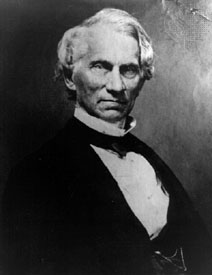
Christopher Memminger

Christopher Gustavus Memminger was born in Vaihingen an der Enz, Germany. His father, Gottfried Memminger, a military officer, died in combat a month after his son’s birth. Eberhardina Kohler Memminger, and her son Christopher immigrated to Charleston. He was placed in the Charleston Orphan House at age five after his mother died of yellow fever. It was noted by the Orphan officials that Christopher showed “a great native genius, particularly in mathematics.”

 At age ten, Memminger was taken in by Thomas Bennett, Jr.and two years later, he enrolled in South Carolina College (University of South Carolina) and graduated second in his class at age sixteen. He became a prominent lawyer and politician. He served as the first Treasurer of the Confederacy.

1861 – Secession.

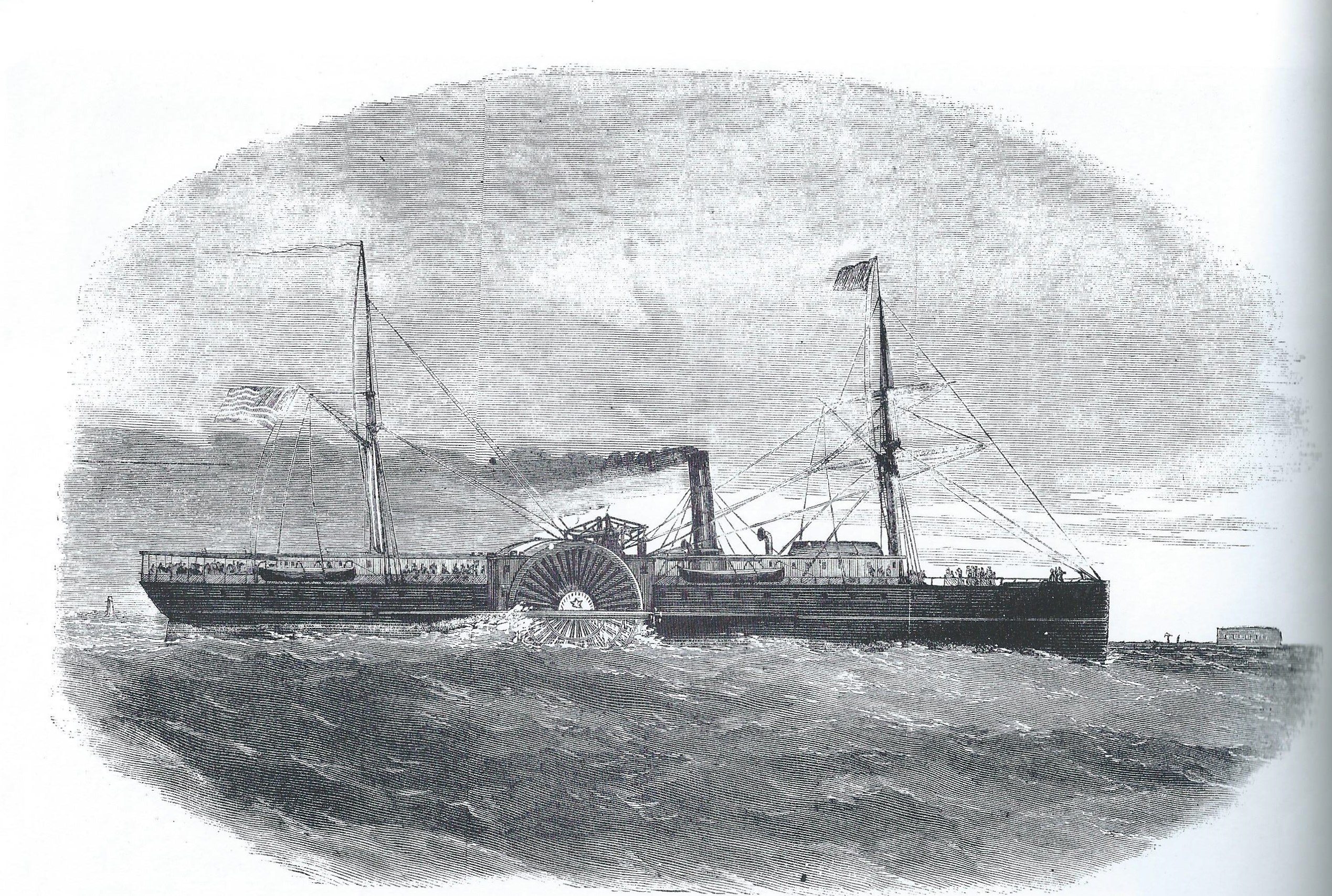
The Union merchant ship, Star of the West, was fired upon as it tried to deliver supplies to Fort Sumter in Charleston Harbor. The Star, built by Cornelius Vanderbilt, was a 1,172 ton, two-deck steamship, a length of 228.3 feet (69.6 m) and a beam of 32.7 feet (10.0 m) and with wooden hullside paddle wheels and two masts.

star of the west

Star of the West

When South Carolina seceded on December 20, 1860, it demanded the immediate withdrawal of the Federal garrison at Fort Sumter. President James Buchanan refused to comply with this demand, but was also careful not to make any provocative move. Inside the fort, Major Robert Anderson and his 80 soldiers needed supplies so Buchanan decided, in order to keep tensions from erupting even more, to dispatch an unarmed civilian ship, Star of the West, instead of a military transport.

The Star left New York on January 5, 1861. After the ship was en route, Secretary of War Joseph Holt received a dispatch from Anderson saying supplies were not needed immediately. Holt realized that the ship may be in danger and war might erupt. He tried in vain to recall the Star of the West, and Anderson was not aware that the ship continued on its way.

The Charleston Mercury newspaper wrote on January 6:

Despatches from New York say that the steamer Star of the West of the Panama line, coaled up yesterday with unusual celerity. The rumor is that she is to carry troops to Charleston, but this is ridiculed at the Steamship Company’s Office.

On January 8 the Mercury reported, in all capital letters:

UNITED STATES TROOPS HASTENING FROM ALL POINTS SOUTHWARD. THE STAR OF THE WEST, WITH REINFORCEMENT FOR ANDERSON, DUE HERE TODAY.

The people of Charleston were feverish with excitement. They spent the afternoon sitting on the roofs of mansions with spyglasses staring out at sea.

A few minutes past six in the morning of January 9, Star of the West captain John McGowan steered the ship into the channel near the fort, passing Morris Island.  A week before, South Carolina governor Francis Pickens had ordered a hastily-built battery on the island, on the site of an abandoned hospital. Manned by about 200 infantrymen and about fifty Citadel cadets, trained in artillery usage. During that frantic week, the cadets had managed to build a battery of 24-pounders, facing east, hidden behind sand dunes and sand bags.

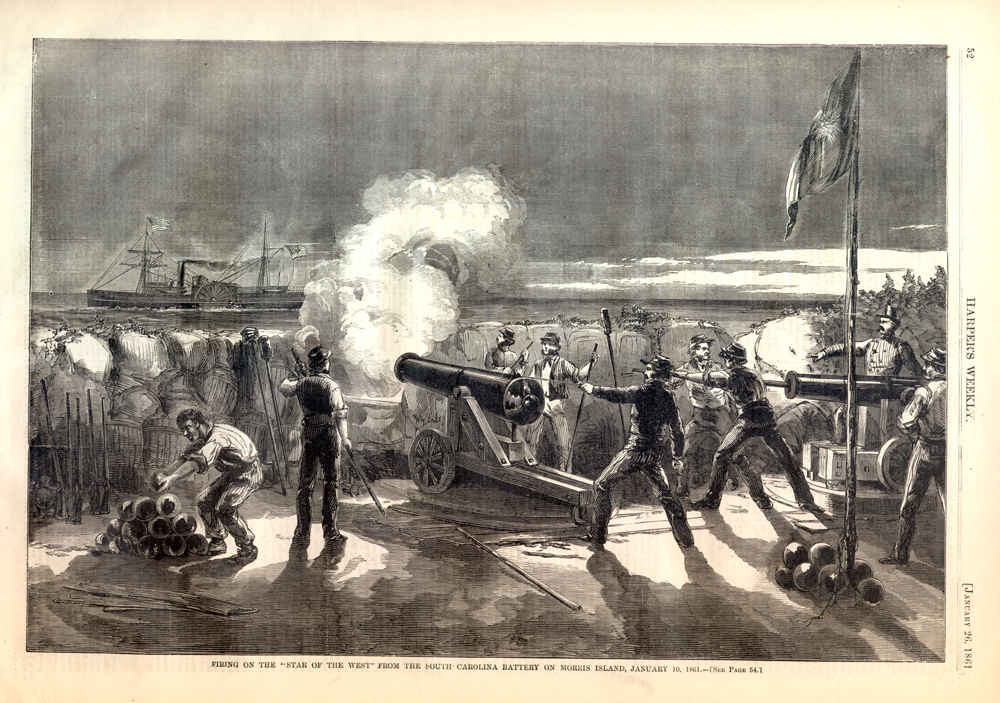
It was just after Reveille when the sentries on Morris Island spied the Star of the West . Major Peter F. Stevens gave the order, “Commence firing.” Two cannon shots roared from a South Carolina battery on Morris Island. the shots skipped in front of the Star and splashed harmlessly into the water. They came from cadet gunner George E. Haynsworth.  In all, seventeen shots were fired and the Star suffered a minor hit. Not being a military vessel and never before been engaged in battle, Capt. John McGowan decided to turn around and exit the harbor. From the beginning to end the entire episode had lasted forty-five minutes.

Firing on the Star of the West - Harper's Weekly.

Firing on the Star of the West – Harper’s Weekly.

 The next day the Charleston Mercury crowed: 

Yesterday will be remembered in history. The expulsion of the Star of the West from Charleston Harbor yesterday morning was the opening ball of the Revolution. We are proud that our harbor has been so honored. The State of South Carolina, so long and so bitterly reviled and scoffed at has thrown back her enemies.

Lt. Smith on the Star of the West humorously wrote:

The people of Charleston pride themselves on their hospitality, but it exceeded my expectations. They gave us several balls before we landed.

Today In Charleston History: January 8

1730

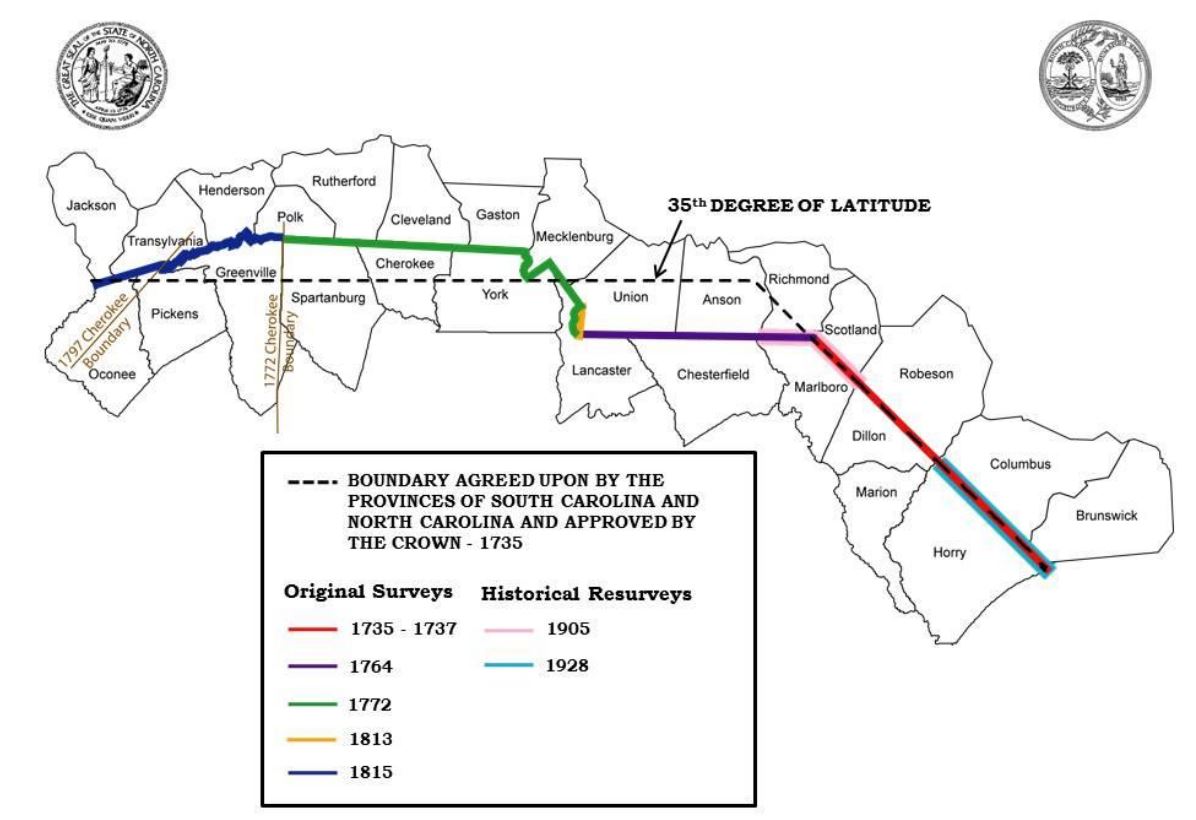
An agreement between North and South Carolina Assemblies declared their border “to begin 30 miles southwest of the Cape Fear river, and to be run at that parallel distance the whole course of said river;” This was the beginning of a border issue not officially settled until 1905, and maybe not even then. In 2013 there was a court case over a boundary issue between the two states. 

Boundary_Surveys_Map

1732

The South Carolina Gazette published its first edition under the editorship of Thomas Whitmarsh, under a franchise with Benjamin Franklin. The paper advertised it “contained the freshest Advices Foreign and Domestick.”

1741

In a letter published in the South Carolina Gazette, Hugh Bryan blamed the recent fire as “part of God’s wrath against the Church.” He called priests “thieves and robbers who did not follow the Foot-steps of our true Shepherd, but coveted the Fleece only.”

Bryan was a religious zealot who was involved in George Whitefield’s “Great Awakening”. One of Whitefield’s themes was the hierarchy of the Church of England, a theme which Bryan passionately embraced.  

1819

The New England Society of Charleston was organized at the Carolina Coffee House (corner of Tradd Street & Bedon’s Alley.) New England merchants were coming to Charleston to purchase cotton for their mills and the coffee house became their meeting place for business and entertainment. 

Today In Charleston History: January 7

1665

Sir John Yeamans

Sir John Yeamans

The Concessions and Agreements between the Lords Proprietors and Sir John and William Yeamans was finalized. This document provided the guidelines for governing and distributing land in Carolina. John became a governor of the fledgling colony and one of its most vital founding fathers. 

1864 – Bombardment of Charleston

The chief commissary gave Gen. P.G.T. Beauregard a report on the availability of meat:

My report of stores on hand made this day shows the stock of meats. The results are not encouraging, and future prospects are bad. Cattle are very scarce. It is said many hogs have died of an epidemic … I respectfully suggest that an order be promptly issued restricting the shipment of all subsistence out of the state … without an early remedy it will be very difficult to get bread before the year closes.

    1865 – Bombardment of Charleston

Five shells were thrown into Charleston, the first since December 20.

Ready: Player One: A Review

I’m less impressed with this novel than the author is with himself. As dazzling as the story can be, (and it has a few genuinely great moments) it ultimately collapses in on itself. The never-ending onslaught of 1980s pop culture minutia and namechecking, reduces the entire novel to a level of superficiality of a Knight Rider episode. The characters are as flat and two-dimensional as PacMan.

ready player oneBasic story: 

Ready Player One takes place in the not-so-distant future. The world has become a very bleak place, but luckily there is OASIS, a virtual reality world that has grown into an online utopia. People plug into OASIS to play, go to school, earn money, and even meet other people – or at least their avatars.  For Wade Watts it certainly beats passing the time in his grim, poverty-stricken real life. Along with millions of other world-wide citizens, Wade dreams of finding three keys left behind by James Halliday, the now-deceased creator of OASIS and the richest man to have ever lived. Halliday grew up in the golden age of the 1980s in the United States, and OASIS is an extreme (and fully enveloping) immersion in that decade, movies, music and most of all … video games.

The keys are rumored to be hidden inside OASIS, and whoever finds them will inherit Halliday’s fortune. But Halliday has not made it easy – he has created real life dangers in his virtual world. All across the globe, players are exploring OASIS looking for the keys and suddenly one day, Wade discovers one and the international race is on! Wade, with the help of several other on-line avatars, challenge Halliday’s games, puzzles, and contests, with clues drenched in full tilt 80s nostalgia.

I was not an 80s gamer kid (I grew up in the previous decade) so for me, a lot of this name-checking various geek/fanboy bits of 80s culture quickly became an irritating distraction of a fairly ingenious story. I got the impression that author Ernest Cline is that guy at a party who spends the entire evening trying to impress everyone by talking about and quoting endlessly every single song/movie/tv show/videogame he’s ever enjoyed. At some point you just want him to shut up!

Spoiler Alert!

So finally, after 380 pages of being bombarded with more Journey and Rush lyrics that I needed to hear, or bad 80s movies I never wanted to watch again, or detailed descriptions of obscure video games I never played (or even heard of), we get to the conclusion. James Halliday’s avatar is waiting in the room which holds the last key – the key to his vast fortune. His avatar then lectures the winning player (come on, you think I was gonna tell you the winner!) and his advice is … (wait for it)spend more time outside and less time playing video games!

WOW. The only reason I didn’t throw the book across the room is because I read it on my Kindle and I didn’t want to break it.

3 palmettos

Today In Charleston History: January 6

1740 – Religion

George Whitefield

Rev. George Whitefield arrived in Charlestown for the second time, to visit his brother, the captain of ship. By this time, Whitefield was one of the most famous recognized public figures in colonial America, drawing massive, passionate crowds (10,000+) to his open air services and field services in New York and Philadelphia. His radical methods made traditional clergy uncomfortable.

He preached from the pulpit of Josiah smith’s Independent Meeting House and accused the people in attendance of “sin and worldliness” and being “polite and unaffected.” He called upon their sins of “affected finery, gaiety of dress … and balls and assemblies.” He promised them that “God intended to visit some in Charlestown with His salvation.”

1861

A workman at Ft. Sumter brought a Northern newspaper with the news that the Star of the West was en route to Charleston. Maj. Robert Anderson and Capt. Abner Doubleday, ranking officers at Sumter, not having received official confirmation, concluded the story was false, since Washington would send a warship, not a civilian steamer.  

1864 – Bombardment of Charleston  

Maj. Henry Bryan, Confederate assistant inspector-general, reported that the damage from Federal Bombardment included:

  • 145 houses
  • Five people killed
  • Eight wounded

Thomas Hale, Confederate military observer in the steeple of St. Michael’s, wrote that:

The enemy’s principal line of fire upon the city has been St. Michael’s church steeple, radiating north-eastward as far as St. Phillips church … their shells usually landing no further west than Archdale St.

Archdale Street - damage from 1861 fire and Federal bombardment. St. Johns Lutheran & Unitarian Churches.

Archdale Street – damage from 1861 fire and Federal bombardment. St. Johns Lutheran & Unitarian Churches.

1874

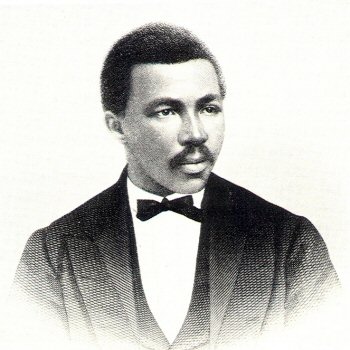
South Carolina representative Robert B. Elliott delivers a passionate speech in favor of Charles Sumner’s Civil Rights Act in the House of Representatives. The Act, which guaranteed equal treatment in all places of public accommodation to all people regardless of their “nativity, race, color, or persuasion, religious or political,” was passed on March 1, 1875. 

elliott_robert loc

Robert Elliott. Library of Congress

Elliott’s speech gained national attention as he rebuffed opponents of the bill, who argued that federal enforcement of civil rights was unconstitutional. Responding to former Confederate Vice President Alexander Stephens of Georgia, who had been re–elected to the House, Elliott reaffirmed his belief in the right and duty of Congress to legislate against discrimination. He concluded by evoking the sacrifices made during the Civil War and asserting that its true purpose was to obtain civil rights for all Americans, including women, who experienced discrimination. 

Before a packed House, Elliott stated his universal support for civil rights,

“I regret, sir, that the dark hue of my skin may lend a color to the imputation that I am controlled by motives personal to myself in my advocacy of this great measure of national justice. The motive that impels me is restricted to no such boundary, but is as broad as your Constitution. I advocate it because it is right.”

Elliott’s youthful appearance and the “harmony of his delivery” contrasted sharply with those of the elderly Stephens, who, confined to a wheelchair, dryly read a prepared speech. The Chicago Tribune published a glowing review, noting that “fair–skinned men in Congress … might learn something from this black man.”

With a legislative style more flamboyant and aggressive than his predecessors’, and considerable oratorical skills, young, talented Robert Elliott regularly dazzled audiences. Possessing a strong, clear voice “suggestive of large experience in outdoor speaking,” Elliott fought passionately to pass a comprehensive civil rights bill in his two terms in Congress. However, his fealty to the South Carolina Republican Party led him to resign his seat in the U.S. House of Representatives to serve the state government in Columbia. Elliott’s classical education, photographic memory, and obsession with politics impressed contemporary observers.

Today In Charleston History: January 5

1758

j. rutledge

John Rutledge

John Rutledge sailed to England to study law at the Middle Temple at the Inns of Court. While in London he spent considerable time at the Carolina Coffee House on Birchen Lane, “dining, drinking and fellowship.”

The Coffee House was the center for Carolinians in London or Englishmen with business connections to the colony. Sixty years before the Coffee House was the location where the Lords Proprietors met potential colonists. Many ship captains sailing to and from Carolina frequented the Coffee House so it was the best place to send and receive mail get news from home or book passage.

birlane

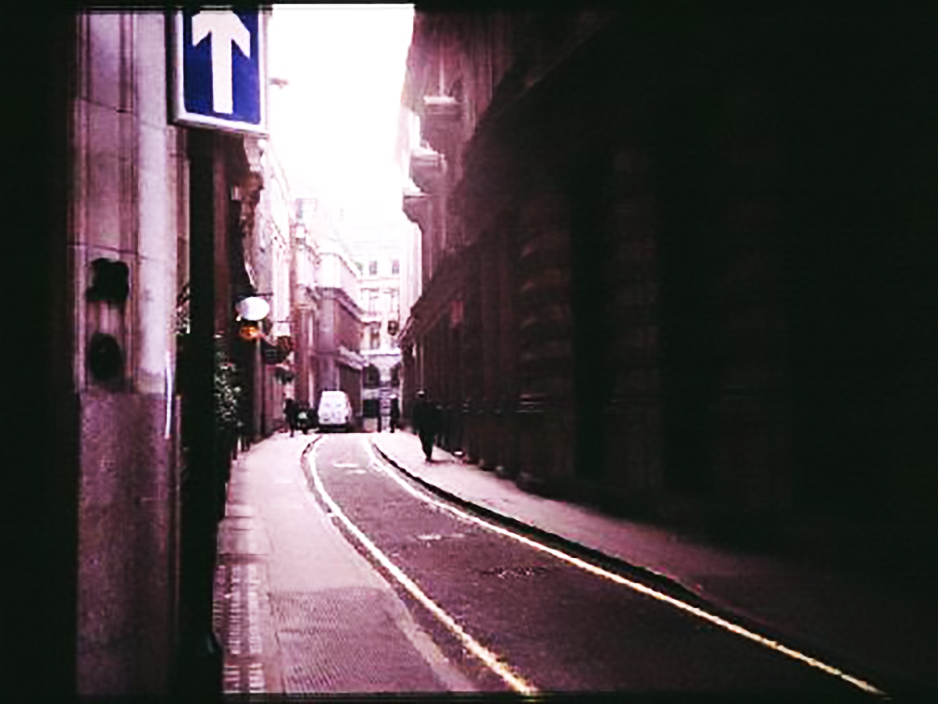
Birchen Lane, London, modern view.

1776

Capt. Joseph Vesey, a privateer of an “armed pilot boat,” Hawke, captured a British brigantine off the Carolina coast and dragged the prize up the Stono River. He was then ordered to sail to Philadelphia to pick up Christopher Gadsden and the rest of the South Carolina delegates to the Continental Congress. 

1861

The merchant vessel, Star of the West, left New York, captained by John McGowan. It was a 1,172-ton steamship built for Cornelius Vanderbilt in 1852, 228.3 feet in length and 32.7 feet in beam, with a wooden hullside, paddle wheels and two masts. For several years she was in service making regular runs between New York, Havana, and New Orleans until she was chartered by the U.S. War Department. On board the Star supplies for the Sumter garrison and 250 new recruits.

star of the west

Star of the West Courtesy Library of Congress

Known for its speed, Gen. Scott thought the ship would be able to slip past the newly constructed Morris Island Battery. The drawback however, was that it was not reinforced to sustain cannon fire.

Assistant Adjutant General Thomas wrote to Major Anderson:

I yesterday chartered the steamship Star of the West to re-enforce your small garrison with two hundred well-instructed recruits from Fort Columbus … likewise, three months’ subsistence for the detachment.

Should a fire … be opened upon any vessel bringing re-enforcements or supplies, or upon tow boats with reach of your guns, they may be employed to silence such fire. You are warned to be upon your guard against all telegrams, as false ones many be attempted to be passed to you.

Late in the day Gen. Scott realized that news of the mission to resupply Fort Sumter was already known in Charleston. Upon learning that the Star of the West had already departed New York. Scott ordered Captain Farragut to take the Brooklyn and intercept the civilian vessel. However, the Star was too fast, and the Brooklyn had no success of catching it.

Today In Charleston History: January 4

1739

First issue of the South Carolina Gazette, edited by Elizabeth Timothy was published. The masthead said “Printed by Peter Timothy.”

SC_Gazette_1_4_1739_front_page

Masthead of the first edition of the South Carolina Gazette edited and published by Elizabeth Timothy.

In the first issue, at the bottom of the front page Elizabeth announced that she was now publishing the newspaper, under the name of her son, making her made her the first female editor and publisher of a newspaper in America and the first female franchisee in America.

Whereas the late Printer of this Gazette hath been deprived of his life by an unhappy accident. I take this Opportunity of informing the Public, that I shall contain the said paper as usual; and hope, by the Assistance of my Friends, to make it as entertaining and correct as may be reasonable expected. Wherefore I flatter myself, that all those Persons, who, by Subscription or otherwise, assisted my late Husband, on the prosecution of the Said Undertaking, will be kindly pleased to continue their Favours and good Offices to this poor afflicted Widow and six small children and another hourly expected.

Over the next seven years, Elizabeth Timothy increased the quality of the newspaper. She not only included local news, but news from Boston, Newport, and Philadelphia and European news from London, Paris, and Constantinople. Many times she dedicated at least a full page of her four-page newspaper to advertising.

Benjamin Franklin praised her, stating that she was a better business manager and accountant than her late husband had been. He remarked in his Autobiography that while her husband was “a man of learning and honest, but ignorant in matters of account,” Mrs. Timothy:

not only sent me as clear a state as she could find of the transactions past, but continued to account with the greatest regularity and exactness every quarter afterwards, and managed the business with such success, that she not only brought up reputably a family of children, but, at the expiration of the term, was able to purchase of me the printing-house, and establish her son in it.

Elizabeth Timothy also took over her husband’s position as the official “public printer” for the colony of South Carolina. She printed acts, laws, and other proceedings for the Assembly of the colony of South Carolina. In addition to publishing the South-Carolina Gazette and government documents pretty much as her late husband did, she printed sermons and religious materials. She also published some 20 historical books and pamphlets between 1739 and 1745. She also was the postmaster for Charlestown, in charge of the postal deliveries of letters, packages, and newspapers.

1815 – Religion. Arrivals.  

Rev. John Bachman arrived in Charleston as minister of St. John’s Lutheran church, a position he held for the next fifty-six years.

Prior to his arrival, the church had been without a pastor for four years, and had depended on other protestant ministers to conduct services. The church totaled sixty-two members. Ailing from tuberculosis, Bachman had taken the position to live in the warmer climate for his health. For the first year in Charleston, Bachman lived in the house of Col. Jacob Sass and joined the German Friendly Society.   

As a child, Bachman had been fascinated in the birds and mammals in his rural home, and had considered studying science in college, until the ministry called him. As he journeyed deeper into the lush semi-tropical landscape of the low-country, his scientific mind was instantly engaged. Next to his religious ministry, the study of the low country’s natural history became Bachman’s lifelong obsession.