Top 20 Beatles Solo Songs

Since the Beatles disbanded in 1970, Paul McCartney has released the most solo music of any of the former Beatles. Paul’s output is the most varied in quality, from excellent (Ram, Band On The Run, Flaming Pie) to awful (Flowers In the Dirt, Red Rose Speedway).

John Lennon, of course, has the smallest output due to his murder, and his self-imposed “retirement” 1975-80 to rear his son Sean. John’s output is also varied, due to his erratic recording schedule and the number of songs he allowed his wife Yoko to record.

George Harrison may have the strongest catalogue album by album starting with the astonishingly great All Things Must Past. Every George LP is worth a listen.

Ringo Starr, oddly enough, had the most commercial success out of the gate, mainly because George Harrison was very hands-on with Ringo’s early LPs – producing, writing and performing on most of the songs.

I started out with a list of 62 songs and pared it down to 29. The last nine songs were the toughest to cut. They could have easily been on this list. When I couldn’t decide, I just went with personal preference. So, here it is, my list of the best solo songs by the former Beatles.


20 “Imagine” – John Lennon
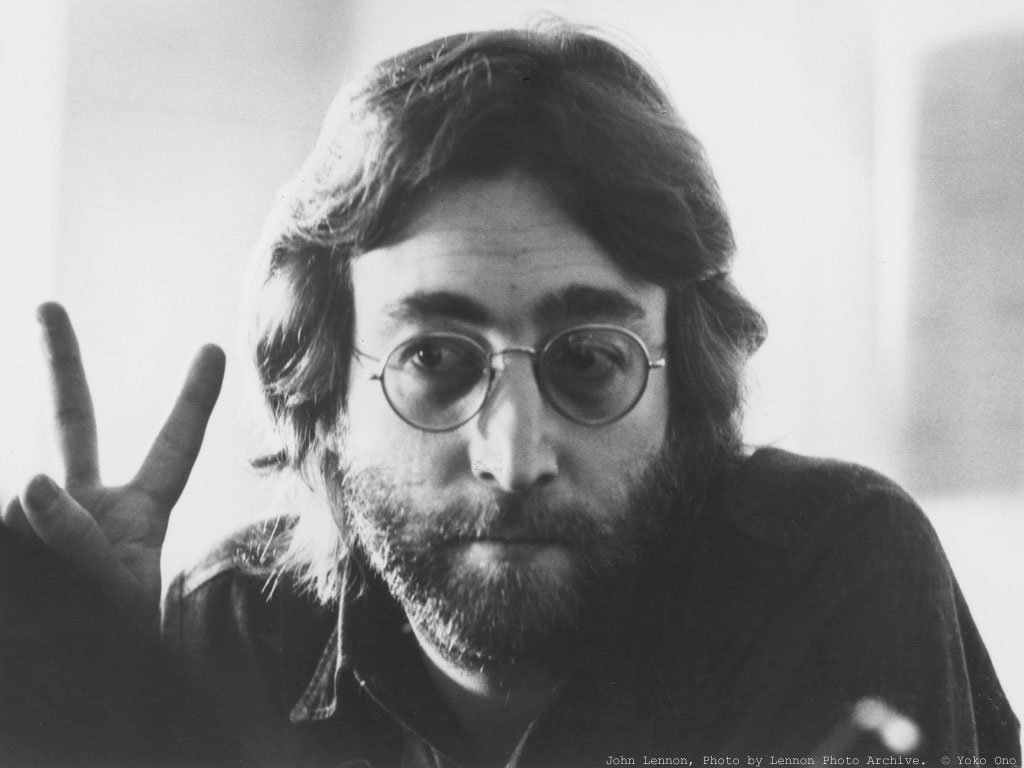
john-lennon-peaceDocked 15 spots for several reasons. Due to being overplayed for the past 20 years to point of nausea, “Imagine” has become the “God Bless The USA” for the socialistic/progressive crowd. It’s basic message – imagine a world at peace, without the divisiveness and barriers of borders, religions and nationalities, and to consider the possibility that the focus of humanity should be living a life unattached to material possessions – is at best, naïve, particularly from a man who had all the trappings of material success the world could offer. It hasn’t aged well.

You may say I’m a dreamer, but I’m not the only one.

19 “Handle With Care” – The Traveling Wilburys

Originally written by Harrison for his solo LP Cloud Nine in 1987. It was shelved and ended up as the rollicking opening track for the first Traveling Wilburys LP. Jointly sung by Harrison, Roy Orbison, Tom Petty, Bob Dylan and Jeff Lynne, it becomes a fun, goofy song.

 “Everybody’s got somebody to lean on/ Put your body next to mine and dream on.”

18 “Watching The Wheels” – John Lennon

Released posthumously in 1981 after his murder, “Watching the Wheels” was the third and final single released from Lennon and Ono’s album Double Fantasy album, and reached number #10 US on the Billboard Hot 100

One of his most personal songs, Lennon addresses those who were confounded by his “househusband” years, 1975–1980, when he “retired” from the music industry to concentrate on raising his son Sean.

I tell them there’s no hurry / I’m just sitting here doing time

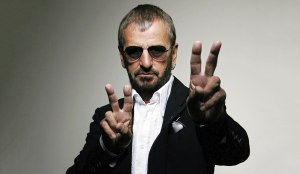
17 “Photograph” – Ringo Starr

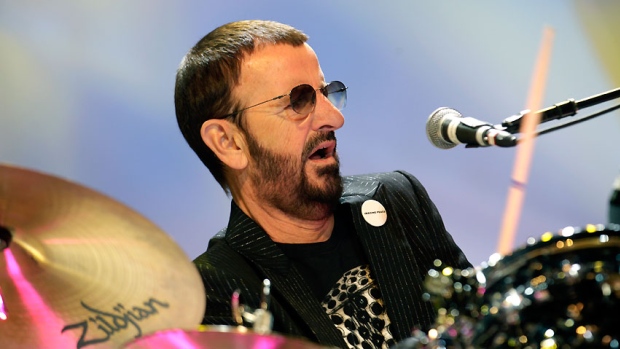
ringo-starr-reuters-rtr2no0h#1 for Ringo. Written by Starr and George Harrison. A song that doubles as a love song and as commentary on the reality that Beatles were no more.

Everytime I see your face/ It reminds of the places we used to go                 

But all I’ve got is a photograph / And I realize you’re not coming back anymore.

16 “Nineteen Hundred and Eighty-Five” – Paul McCartney & Wings

The closing song from the Band On The Run LP, this is one of McCartney’s most infectious songs. The cinematic sweep of the song is propelled by the best piano playing of McCartney’s career. The grandiose ending features a full orchestra with includes mellotronorgan and horns, an almost “A Day In The Life” effect.

I didn’t think I never dreamed / That I would be around to see it all come true

15 “Mind Games” – John Lennon

Another thoughtful philosophical song with a gorgeous melody. Lennon was inspired to write the song after reading Mind Games: The Guide to Inner Space by Robert Masters and Jean Houston.

“YES is the answer.”

14 “Give Me Love (Give Me Peace on Earth)” George Harrison
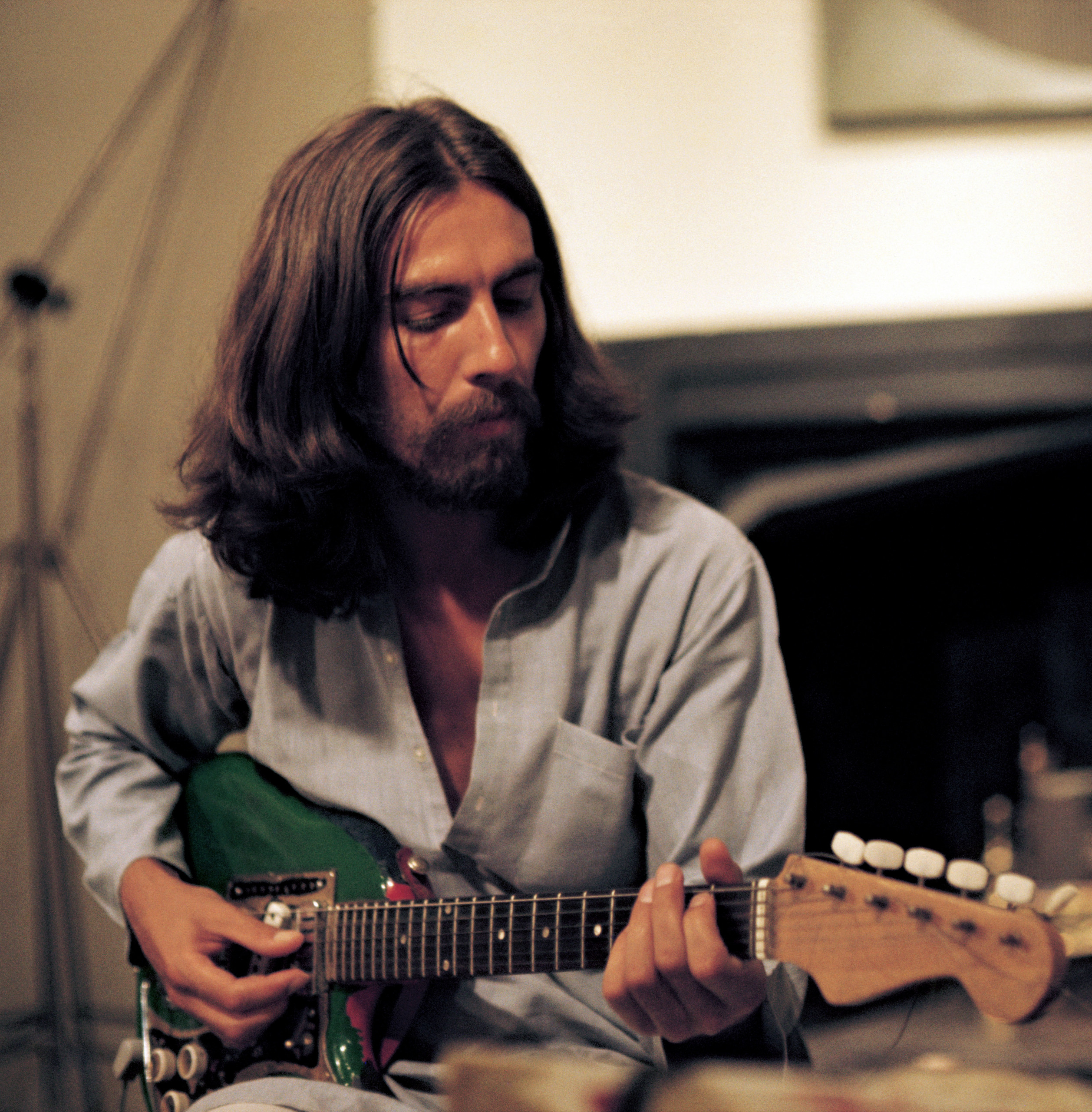
GH2The opening track of his 1973 album Living in the Material World and George’s second #1 song. It bumped Paul McCartney & Wings‘ “My Love” from the top of the Billboard Hot 100 which was a good thing!

Opting for a simpler production sound this time around, “Give Me Love (Give Me Peace on Earth)” features some of Harrison’s best slide-guitar work. Harrison described the song as “a prayer and personal statement between me, the Lord, and whoever likes it”.

“Give me hope / Help me cope / with this heavy load”

13 “Monkberry Moon Delight” – Paul McCartney

From Ram, this is one of the most fun songs that Paul ever recorded, Five-plus minutes of mid-tempo craziness with Paul shouting out a set of ridiculously nonsensical, stream of consciousness lyrics over some bouncy repetitive guitar and piano riffs.  No serous message here, just a master musician jammin’ on a fun song. 

“Of two youngsters concealed in a barrel, Sucking monkberry moon delight.” 

12 Working Class Hero” – John Lennon

A beautiful rumination/commentary/criticism of the difference between the social classes. Lennon at his most reflective.

“They hate you if you’re clever and they despise a fool.”

11 “Live and Let Die” Paul McCartney & Wings
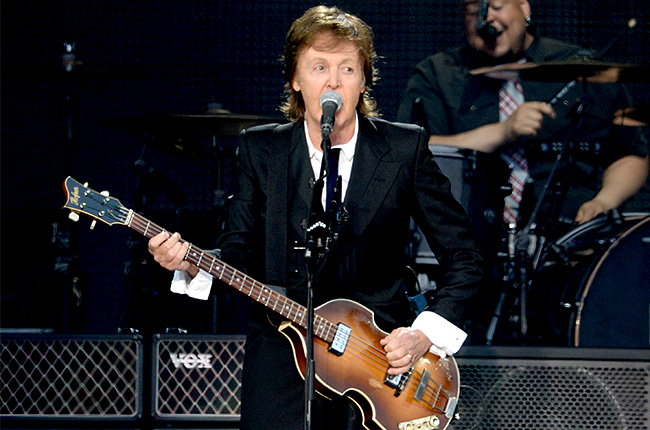
paul-mccartney2THE epic James Bond theme song and one of McCartney’s most complex compositions. A piece of pure production overkill that works!  Watching McCartney and Wings perform this song at Williams-Brice Stadium in Columbia, S.C. in the 1990s ranks as one of the greatest live concert moments in my life. Paul gets the “Throw-in-an-extra-preposition-and-call-it-art Award” for the awkward lyric:

“In this ever changing world in which we live in.”

10 Isn’t It A Pity” – George Harrison

From the massive All Things Must Pass LP, “Isn’t It a Pity” was rejected by the Beatles during the January 1969  sessions that resulted in their final album, Let It Be. According to Abbey Road engineer Geoff Emerick, however, the song had been offered for inclusion on 1967’s Sgt. Pepper’s Lonely Hearts Club Band.

The most majestic of Harrison’s songs, “Isn’t A Pity” is lyrically complex and musically dream-like. Tom Petty and Eric Clapton both consider this song to be Harrison’s masterpiece.

“Isn’t it a pity / Isn’t it a shame

How we break each other’s hearts and cause each other pain”

9 “#9 Dream” – John Lennon
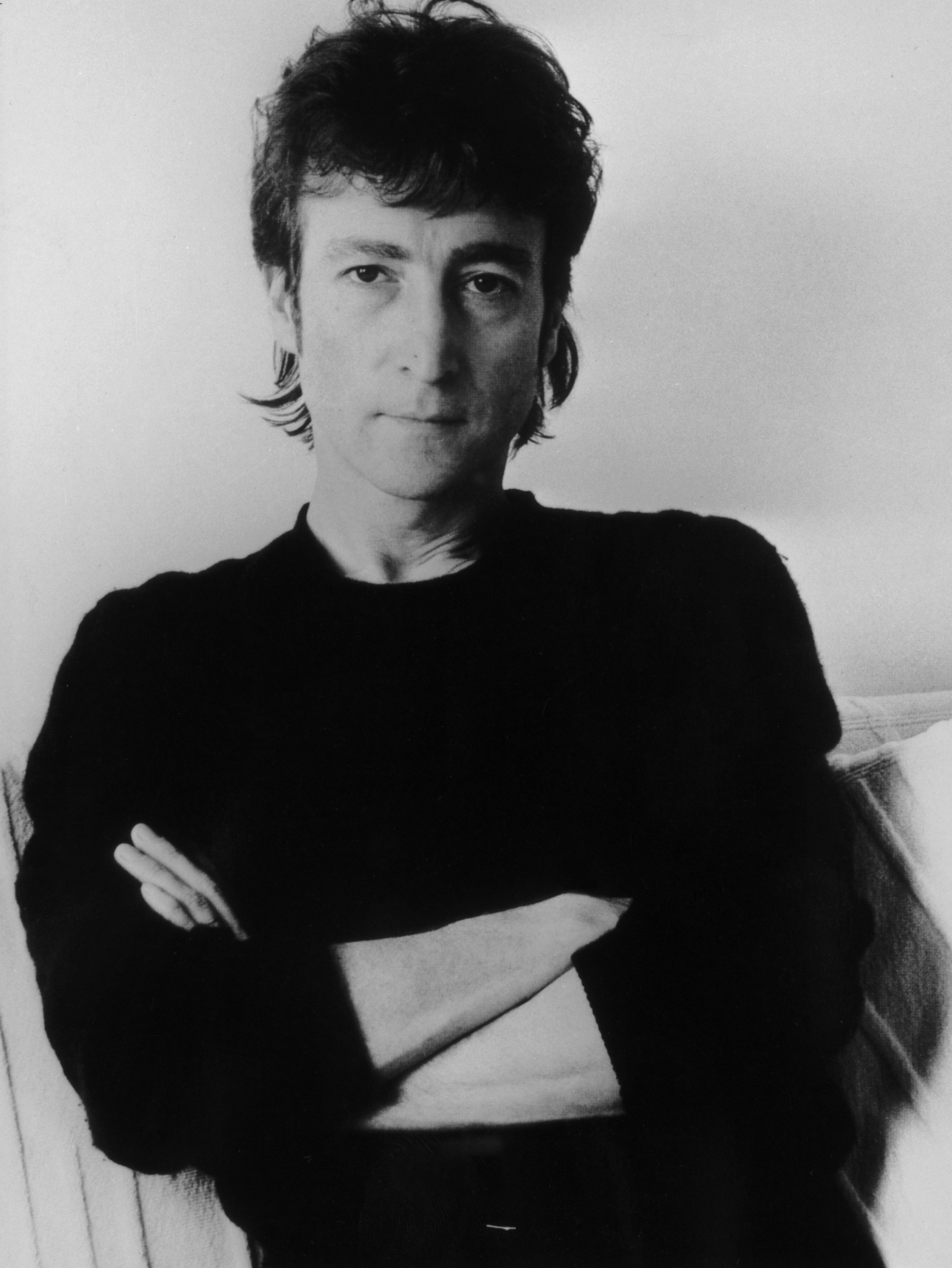
John LennonOne of Lennon’s most audacious songs. If McCartney had written and recorded this, it would be considered a piece of fluff. Filled with Sgt. Pepper-like flourishes it’s a weird trip into John’s subconscious mind. The female voice whispering John’s name is not Yoko, but his then-mistress May Pang. The nonsense lyrics, “Ah! böwakawa poussé, poussé”, came to Lennon in a dream (hence the title) and have no specific meaning.  But they are fun to sing!

“On a river of sound / Through the mirror go round and round”
Ringo8 “It Don’t Come Easy” – Ringo Starr

Reached #4 in 1971. Written by Ringo and George Harrison, this is Ringo’s signature solo song. The lyrics are a thinly veiled reflection of the lives of all four Beatles at the time. The band on this recording included Harrison and Badfinger. 

“I don’t ask for much / I only want your trust

And you know it don’t come easy”

And just for fun … listen to George’s demo of the song that he gave to Ringo.

7 “Junior’s Farm” – Paul McCartney & Wings

One of McCartney’s best rockers. Recorded in Nashville it reached #3 in 1974.  For a man world famous for his love songs, as time goes by the McCartney songs that tend to age better are his rockers. 

“At the Houses of Parliament / Ev’rybody’s talking ’bout the President,
We all chip in for a bag of cement”

6 “My Sweet Lord” – George Harrison

One of the most overt religious songs to ever hit #1 on the Billboard charts. A massive worldwide hit, this song epitomized what the public wanted in 1970-71: shimmering harmonies, lustrous acoustic guitars, a solid Ringo Starr backbeat, and an exquisite Harrison guitar solo.  The backing musicians again include the Delaney and Bonnie band and Badfinger.

The song is now as well known for the infamous copyright infringement lawsuit against Harrison that “My Sweet Lord” was direct copy of The Chiffon’s 1963 #1 hit, “He’s So Fine.” (And who are we kidding, it was!) Harrison was found guilty of “subconscious” plagiarism. The suit was settled in 1981 with Harrison buying the rights to the earlier song for $600,000. Nonetheless, “My Sweet Lord” is a gorgeous pop song. 

I really wanna be with You!”

5 “Let Me Roll It” – Paul McCartney
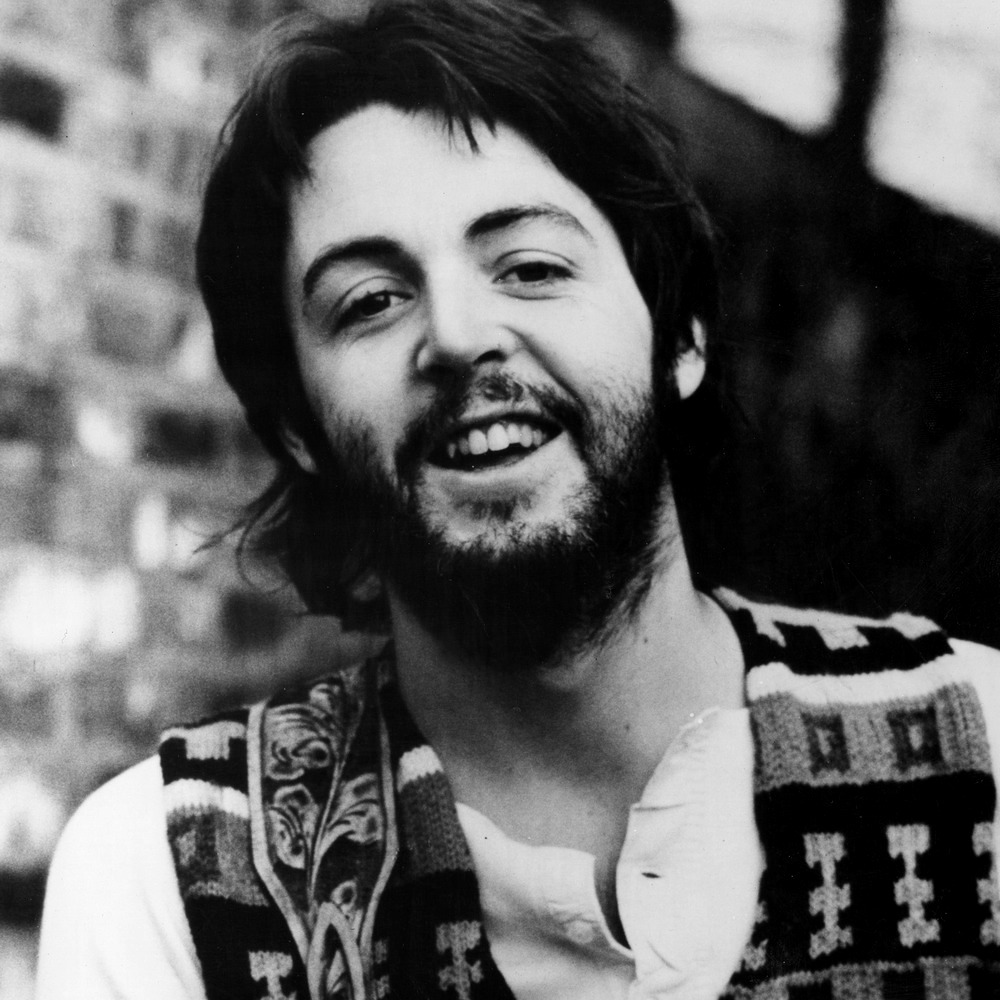
paulOne of McCartney’s truly great songs. Awash in echo and reverb the Lennonesque vocals are pushed back in the mix beneath the wicked guitar riff, cheesy organ and funky bass line which drive the song.

“You gave me lovin’ in the palm of my hand.”

4 “Whatever Gets You Through The Night” – John Lennon

From Lennon’s Walls & Bridges 1974 LP, this was his only #1 solo single in his lifetime. A rollicking rock n’ roll record, with Memphis-style horns blaring and Elton John on backing vocals, this is an infectious ode to having too much fun with a truly ironic lyric giving what the future held.

“Don’t need a gun to blow your mind, oh no, oh no”

3 “Maybe I’m Amazed” – Paul McCartney

McCartney wrote the song in 1969, just before The Beatles’ break-up. One of his best love songs, it was recorded at the Abbey Road studio in London with McCartney playing all the instruments: guitars, bass, piano, organ and drums. He declined to release the song as a single in 1970, but it nonetheless received a great deal of radio airplay worldwide.

A live recording from the 1976 album Wings over America was released as a single by McCartney’s band Wings in February 1977 and reached number 10 in the US on the Billboard pop charts. McCartney has said ’Maybe I’m Amazed’ was “the song I would like to be remembered for in the future”

“Maybe I’m amazed at the way I really need you”

2 “Instant Karma (We All Shine On)” – John Lennon

This song encompasses everything Lennon stood for—peace, love and understanding. It is a masterpiece of pop songwriting and production, from the slap backbeat of the drums to the pounding piano, this song is everything “Imagine” is not, a true anthem of the 60s philosophy, without the overt uncomfortable socialistic message.

“We all shine on/ Like the moon and the stars and the sun”

1 “What Is Life?” – George Harrison
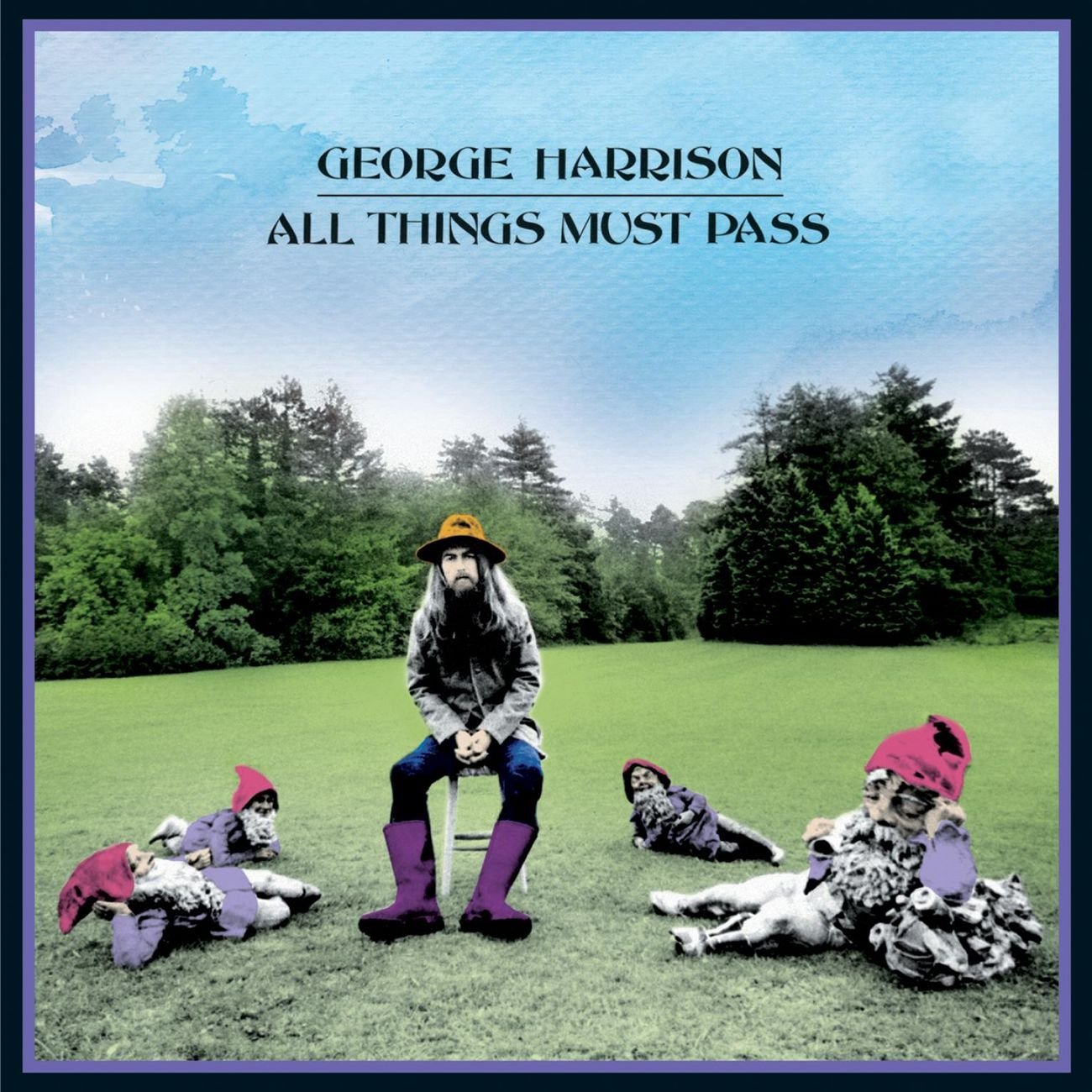
all things must passHarrison wrote the song in 1969 during the Abbey Road sessions and it was released on his 1970 triple album All Things Must Pass. It became a Top 10 hit in the United States in February 1971. Harrison’s backing musicians on the recording included the entire Delaney & Bonnie Friends band as well as all the members of Badfinger.  

Built around an infectious guitar riff, the song can be seen doubly as a romantic love song and one of George’s spiritual ruminations of human existence. Lushly produced with tasteful horns, tambourines and layers of acoustic guitars strumming behind the massive guitar riff it is impossible NOT to nod your head, smile and sing along with this song,

Tell me, what is my life without your love?
And tell me, who am I without you, by my side?
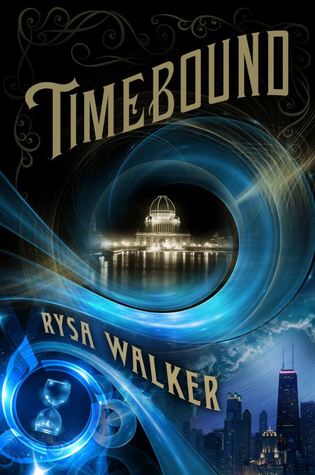
TIMEBOUND: A Review

When Kate Pierce-Keller’s grandmother gives her a strange blue medallion and claims to be a member of a time travel group from the future named CHRONOS, sixteen-year-old Kate assumes the old woman is delusional. But it all becomes horrifyingly real when a murder in the past destroys the foundation of Kate’s present-day life. Suddenly, that medallion is the only thing protecting Kate from blinking out of existence.

timeboundKate learns that the 1893 killing is part of something much more sinister, and her genetic ability to time travel makes Kate the only one who can fix the future. Risking everything, she travels back in time to the Chicago World’s Fair to try to prevent the murder and the chain of events that follows.

Changing the timeline comes with a personal cost—if Kate succeeds, the boy she loves will have no memory of her existence. And regardless of her motives, does Kate have the right to manipulate the fate of the entire world?

So … sounds good, entertaining and fascinating. Also, there are more than 1600 five-star reviews on Amazon for this book and the author, Rysa Walker, was awarded the Amazon Breakthrough Novel in 2013, so I decided to give it a shot.

First of all, for all the acclaim – it’s pretty boring! The first section of the book is a quite dull … setting up the characters and plot with a heavy hand, telling not showing. Characters seemed to be little more than chess pieces, moved from place to place only to advance the story. Kate (the heroine) never becomes a well-defined character … by the end of the book I cared little about what happened to her.

The middle section of the book then actually s-l-o-w-s the story d-o-w-n with convoluted explanations of time travel, how the Chronos team works and the confusing back story. During the final 1/3 of the story finally kicks into gear as Kate goes back in time to the 1893 Chicago World’s Fair and crosses path with the notorious H.H. Holmes, which, unfortunately, does not have as great a payoff as it should.

As a fan of time travel stories (see my article, Essential Time Travel Novels), I found this YA novel lacking in many ways. Good idea, haphazardly executed.

3 palmettos


Today In Charleston History: August 29

1692 – Piracy.

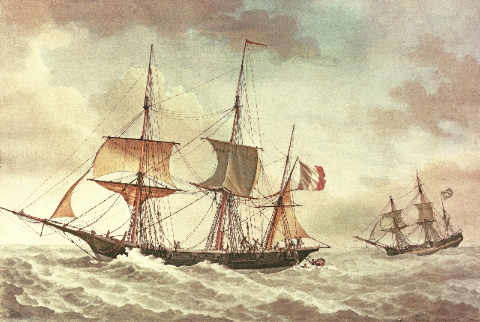
corsairA privateer with forty men, the Loyal Jamaica, arrived in Charles Town carrying “treasures of Spanish gold and silver.” They were allowed

“to enter into recognizance for their peaceable and good behavior for one year with securities, till the Governor should hear whether the Proprietor would grant them general indemnity.”

There is no record of the Loyal Jamaica being seized, or its crew and passengers being arrested. A list of the passengers included some of the most prominent names in South Carolina history: Thomas Pinckney, Robert Fenwick, and Daniel Horry.

1706 – Queen Anne’s War

About 160 Spanish troops landed at Mt. Pleasant, burning and looting several plantation houses. Two vessels in Hobcaw Creek were also burned. Gov. Johnson sent out a galley with 100 men, and the Spanish recalled their ships. At the same time, forty French troops landed on James Island and burned the countryside and then retreated.

1754 – Slavery.

A South Carolina slave named Robin was gibbeted for the murder of his master. According to the South Carolina Gazette, “till within an Hour before he expired, constantly declared his Innocence; but at last confessed.” Robin declared “that he himself had perpetrated that Murder and at the same Time disclosed a Scene equally shocking,” revealing a conspiracy among several slaves. Robin and eight other slaves had planned “the Murder of two other Gentlemen in Beaufort” and then “they were to have taken a Schooner” to get to St. Augustine in Florida.

Today In Charleston History: August 28

1671 – Legal.

First recorded case of litigation in the Carolina colony was heard by Governor West and the Grand Council – an argument over timber rights of an area – John Norton and Originall Jackson against Mr. Maurice Mathews, Mr. Thomas Gray and Mr. William Owen.

1706 – Queen Anne’s War

The French raised a flag of truce, and Gov. Johnson sent a galley out to make inquiries. A French officer was brought to shore and kept at Granville Bastion before being escorted to the governor. As he was slow marched through the street, the Frenchman was greeted by militia stationed between buildings and on the side streets. It seemed Charles Town had more than four times the soldiers than they thought. He did not realize that he was actually seeing the same group of militia who were running from one street to the other, staying just ahead of the slow-marching prisoner.

Upon being received by Gov. Johnson the French officer demanded the city surrender within the hour. Johnson responded he “would not need a minute to reply in the negative.”


1805 – Deaths

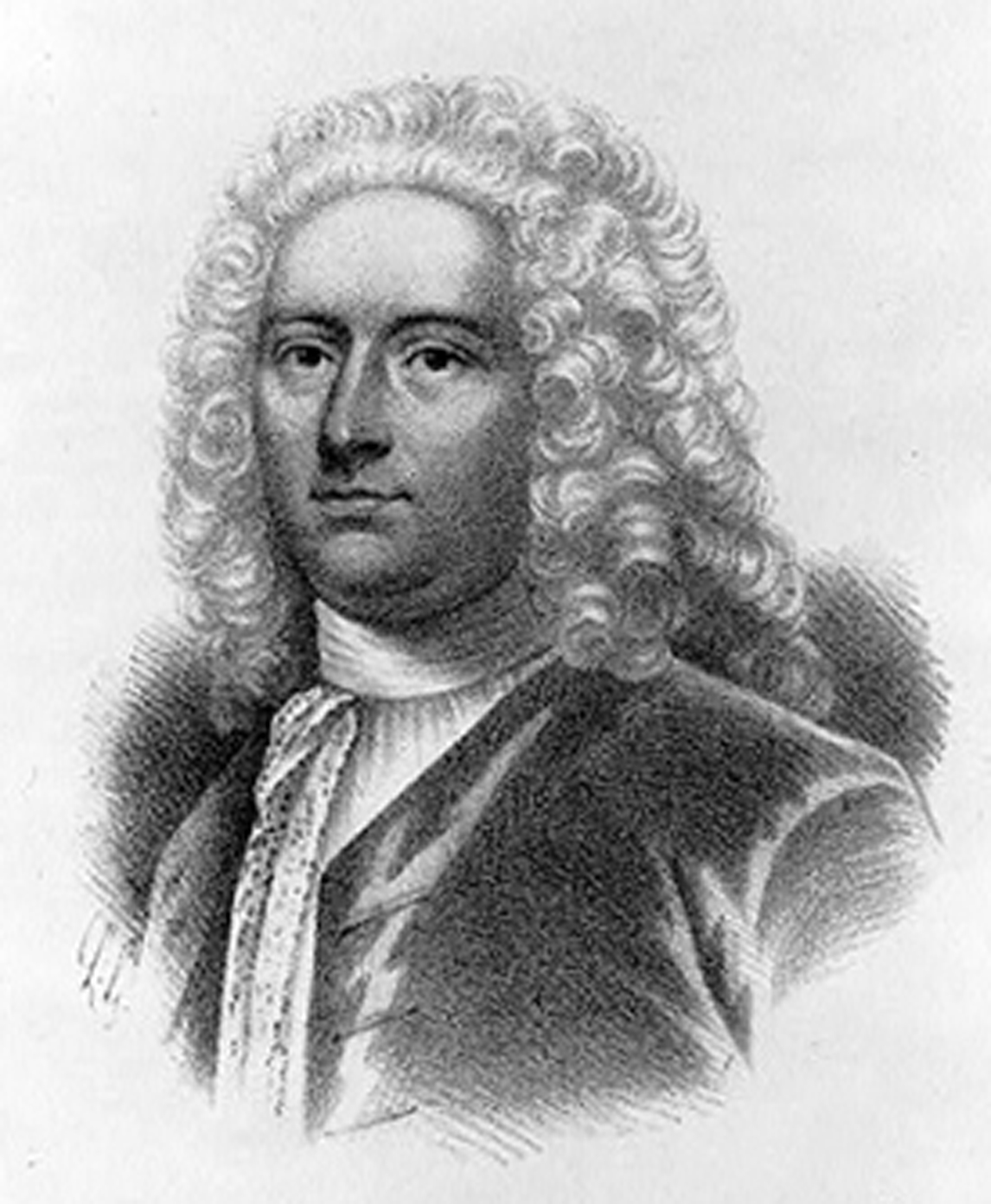
gadsdenChristopher Gadsden died in Charleston at the age of eighty-one. He had been suffering dizzy spells and one morning on his walk, he slipped and hit head while crossing a ditch. Governor Paul Hamilton ordered a thirty day mourning period. The day of Gadsden’s funeral, a salute was fired from Fort Johnson every ten minutes from dawn until his interment at 1:00 p.m. He was buried at St. Philip’s Church in an unmarked grave, following the instructions left in his will.

Today In Charleston History: August 27

1706 – Queen Anne’s War.

The six French ships (a frigate, four sloops and one galley) from Martinique, led by Captain De Feboure, crossed the Charles Town bar with more than 700 Spanish soldiers on board. They anchored off Sullivan’s Island, awaiting winds in which to sail into the harbor.

1780 – British Occupation.

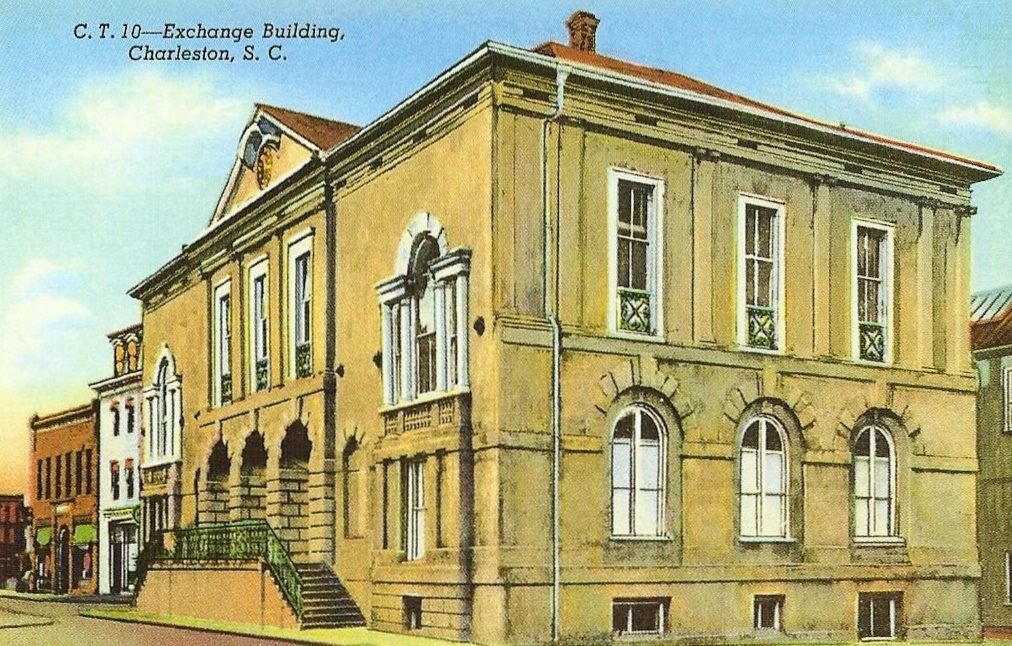
old exchange bildgThirty-three people were arrested in Charlestown and charged with encouraging residents to resist British authority. The prisoners, some of whom had been placed under house arrest, were dragged from their beds by British soldiers, and jailed in the Provost Dungeon of the Exchange Building. The arrested men included:

  • Christopher Gadsden
  • Alexander Moultrie
  • Richard Hutson
  • Dr. John S. Budd
  • William Massey
  • John Neufville
  • Joseph Parker
  • Thomas Savage
  • Dr. Peter Fayssoux
  • Dr. David Ramsay
  • Dr. John E. Poyas
  • Tom Singleton
  • Thomas Ferguson
  • Edward Rutledge
  • Hugh Rutledge
  • Thomas Heyward, Jr.
  • Arthur Middleton
  • Thomas Grimball
  • William Johnson
  • Peter Timothy

Within a few days the prisoners were transferred to the ship Sandwich in Charlestown harbor. Edward Rutledge learned of his two-year old son’s death while on board. Being unable to attend the funeral and comfort his wife increased his bitterness toward Britain. Militiamen like Charles Pinckney were paroled to their homes.

1782 – American Revolution.
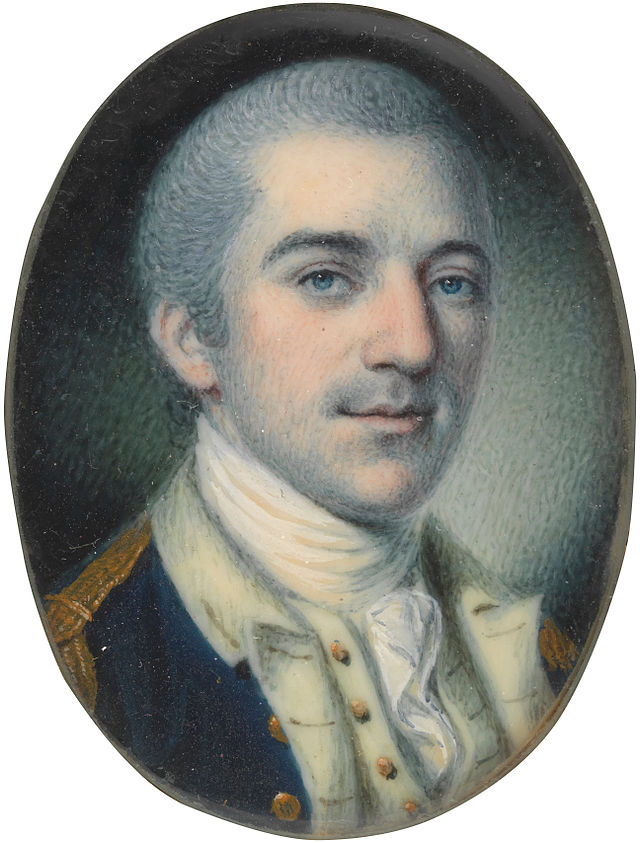
_John_Laurens_-_Google_Art_Project

John Laurens

Col. John Laurens was killed at Tar Bluff on the Combahee River, about forty miles south west of Charleston, in a completely useless skirmish. The British were trying to loot supplies of rice before leaving, and Laurens’ company of fifty men were determined to stop them. John Laurens was the first Patriot killed.

Martha Laurens, living in Vigan, France, did not learn about her brother’s death until three months later. However, during her morning prayers for her family, on this day, she stopped praying for her brother as she “felt there was no longer need.”

Years later, while visiting Charleston, Lafayette stated, “Colonel Laurens was the most valiant officer and accomplished gentleman I ever knew. He was the beau ideal of gallantry.”

In 2015 John Laurens became a more well known cultural figure through the popularity of the Broadway musical “Hamilton.” Laurens was a major character in the the first Act, and Hamilton mourns Laurens’ death in Act II.

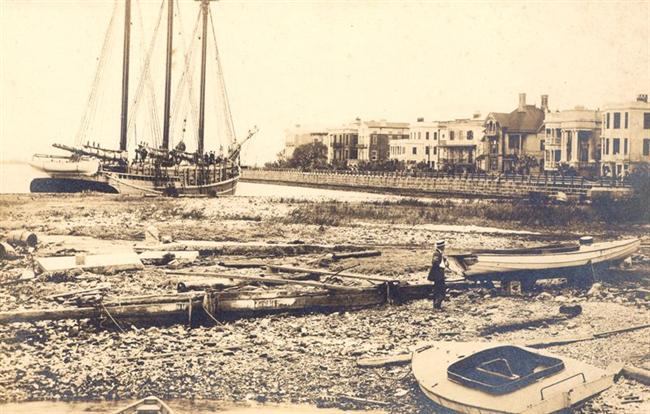
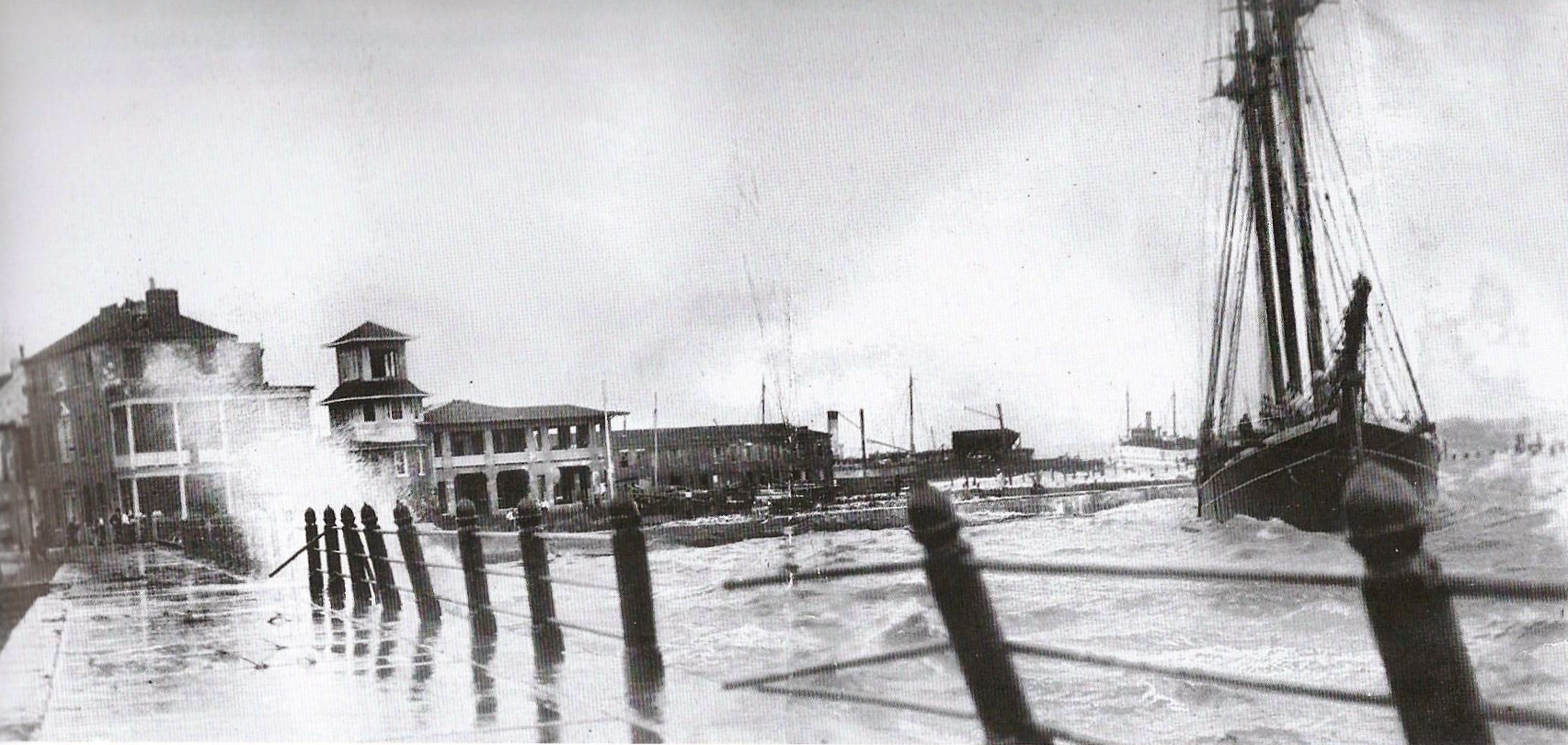
1911 – Hurricane!

1911 hurricane

battery 1919 storm

Damage along the waterfront was extensive: Wharves were destroyed, and several houses along the Battery suffered extreme damage. The schooner Edwina, was loaded with lumber destined for New York when she was washed up near East Battery. The ship remained stuck off the Battery for six months and was finally salvaged in March 1912.

Today In Charleston History: August 26

1773 – American Revolution – Foundations.

Thomas Powell, acting editor of the Gazette, published the proceedings of the Council without their permission and was arrested. His lawyer, Edward Rutledge was able to convince the justice of the peace, Rawlins Lowndes, to secure Powell’s release. Rutledge declared his pleasure “in being called forth as the Defender of the Liberty of the Subject.”

The case became hot political issue which brought together several powerful men and families in defense of Powell, forming a core group of radical thinkers – the Rutledges, Middletons, Pinckneys and Draytons.

 August 26, 1935. JENKINS BANDS

Time magazine published an article about the Jenkins Orphanage Band in Charleston. To learn the entire story (and all the errors in this article), read my bookDoin’ the Charleston.

The end of the War between the States (or the War of the Rebellion) brought freedom to tall, blue-black Daniel Joseph Jenkins, born a slave in 1861and soon orphaned. Turned off a plantation in Charleston, S.C. he said: “I took God for my guide. I got a job on a farm and two pounds of meat and a quart of molasses a week to live on.” One day he came upon half a dozen shoeless, shivering pickaninnies huddled by a railroad track. He gave them his last dollar.

Daniel Jenkins became a Baptist minister. Soon Preacher Jenkins preached a sermon on “The Harvest Is Great but the Laborers Are Few” persuading his congregation to help him found an orphanage for poor black moppets. That was 1891. Daniel Jenkins proceeded to rid Charleston of roaming, thieving “Wild Children:” In two buildings in the city and farms and schools outside it, he had cared for more than 536 orphans at a time, today less than 300 in his charge. Of the thousands of Negroes turned out by the Jenkins Orphanage at 14, he claims that less than ten have ended up in jail. Grizzled, black-garbed and ailing at 74, Daniel Jenkins is Charleston’s No. 1 Negro citizen, prosperous enough to have been touched for a loan by a white Charlestonian in the early days of the War. The fame & fortune of the Jenkins Orphanage, however, did not come from piety alone. Taking a leaf from Booker T. Washington who successfully raised money through his Tuskegee Singers, Daniel Jenkins early began to exploit small Negroes playing band music

Having on his hands a number of undernourished, rickety and tuberculosis youngsters, Jenkins optimistically decided “My children’s lungs would get strong by blowing wind instruments.” He obtained some battered horns, organized a band which he sent North in 1893 to play on street corners for whatever passersby would give. So successful was the band that is has never since missed a trip. In 1905 it played in Teddy Roosevelt’s inaugural parade. It appeared at the St. Louis Exposition, the Anglo-American Exposition in London. It has toured the U.S. from coast to coast, played in Paris, Berlin, Rome, London, Vienna. Divided into sections as the kids grew older and learned to play better, the Jenkins Band once had five units simultaneously on tour. Today, its 125 players, age 10 to 18, earn from $75,000 to 100,000 a year for the Orphanage. Once boys & girls used to play together in the band, but says Daniel Jenkins, “They got too fresh and I had to separate them.” Now the girls play in their own bands or sing to the boys’ accompaniment. Each band-section is chaperoned and guided by a ministerial graduate of the Orphanage. Boys wear dark blue uniforms and girls wore simple print dresses.

Jenkins Orphanage Band, Author's Collection

Jenkins Orphanage Band, Author’s Collection

In winter, Jenkins bands play in schools, churches, halls throughout the South and West.  In the summer they head North. This year 65 of 125 bandsters were chosen, divided into Bands No. 1 and No. 2. Last week Band No. 1, with twenty-one year old Freddy Bennett as leader, played in Providence, R. I., moved to Hartford, Conn. Under the guidance of William Blake, who has been with the Orphanage for 38 years, Band No. 2 had been in Saratoga, N.Y. where the horse-racing season opened early this month [TIME, Aug. 12]. Day & night at the race track, at baseball games on the spa’s Broadway the hard-working youngsters played spirituals, sweet ballads and hot arrangements of tunes like Dinah and Sweet Sue on their rusty cornets, trombones, French horns, drums. Bystanders were especially taken with Band No. 2’s impish 12-year-old leader who juggled his baton and shimmied vigorously.

Rich old Rev. Daniel Joseph Jenkins in his institution’s Northern headquarters in New York’s Harlem, scrutinized detailed weekly reports of his band’s doings. Collections in Saratoga, even with five youngsters passing hats and wheedling coins from bystanders, were good only when someone with a kind heart produced a windfall. Last week Daniel Jenkins sent Band No. 2 back to Charleston, where No. 1 would rejoin it, playing its way southward by way of Philadelphia, Baltimore, Washington, Richmond and Durham. Daniel Jenkins is soon returning South. “I ain’t got long to stay here,” he cackles. “But I’ll carry on till Jesus calls me home.”

Today In Charleston: August 25

 1671

yeamans, sir john

Sir John Yeamans

The first election was held in Charles Town, choosing twenty men as a Parliament and Sir John Yeamans as speaker. Over half the councilmen were Barbadians. Five men were then selected to represent the people as the Grand Council – Mr. Thomas Gray, Mr. Maurice Mathews, Lt. Henry Hughes, Mr. Christopher Portman and Mr. Ralph Marshall.  Yeamans took every opportunity to question the legality of West’s appointment as governor.

John Coming, first mate of the Carolina, wrote that “the Barbadians endeavor to rule all.” Yeamans complained that “West is proud and peevish.” Others called Yeamans “disaffected and too selfish.” The colony was firmly divided into separate factions.

1766 – American Revolution – Foundations

John Rutledge, conveying the wishes of the South Carolina Assembly, instructed Charles Garth, their agent in London, to oppose the stamp tax, and any other tax by Parliament. Rutledge claimed it was “inconsistent with that inherent right of every British subject, not to be taxed but by his own consent, or that of his representatives.”

1781 – American Revolution

Col. John Laurens arrived in Boston with two shiploads of military supplies and half a million dollars in aid from the French.

CHINABERRY SIDEWALKS: A Review

I’ve been a Rodney Crowell fan since 1978. He is, to be blunt, one of the great American songwriters of the last 40 years and I have listened to his music for 1000s of hours. What little guitar playing I learned, I learned so I could play Crowell’s songs. During the 70s and 80s Nashville artists waited for new Rodney songs to record. He has also recorded seventeen LPs (or CDs) since 1978, charting eight Top Ten Country songs, including five consecutive #1 hits, in 1988-89. 

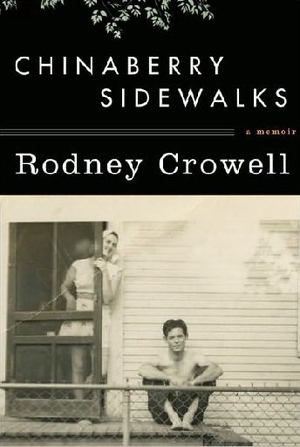
chinaberry1Crowell has written a memoir about his early life growing up in hardscrabble Houston, Texas in the 1950s. Crowell’s former wife, Rosanne Cash, published an amazing memoir last year, Composed, which was less a memoir of her public life, than an intense meditation on how her life influenced her artistically. I was hoping for something like that from Crowell, but not this time out. It is a study of his life as a child, and tells the story of his parent’s life more than his own.

Most reviews are giving the book a home run … I have to differ. First of all, it is written in too much of a folksy, aw shucks style, peppered with down home expressions that most of us heard while growing up, but left behind as we moved out into the world. Crowell and his editor obviously had never read the old adage, “a little bit goes a long way.” It also is a bit clunky at times jumping from chapter to chapter, back and forth in time. There is an endless chapter about attending pentecostal church meetings that wears out its welcome after the first 2000 words, but goes on and on and on.

Here’s hoping Crowell has another memoir in the works that will illuminate his professional career as a songwriter and musician. Until then, I recommend you pull out your copies of Diamonds & Dirt or Fate’s Right Hand and enjoy the music!

Today In Charleston History: August 24

1706 – Queen Anne’s War.

A Dutch privateer sloop belonging to Captain Stool from New York anchored in Charles Town. Stool reported that while in St. Augustine they learned that a French ship was planning to attack Carolina. While he was making his report, five columns of smoke appeared on Sullivan’s Island, the signal that a fleet was off the bar.

It was a French squadron from Martinique led by Captain De Feboure which included the frigate Soleil (22 guns), two 8-gun sloops, two smaller sloops and a galley. On board were more than 700 Spanish soldiers.

Some of the Spanish landed on James Island and burned a plantation.

1775

miles brewton house

Miles Brewton House, 27 King Street, Charleston, SC

Miles Brewton, Charleston merchant, set sail for Philadelphia with his wife and three children. They were never seen or heard from again, and were listed as “lost at sea.” His sister, Rebecca Brewton Motte, inherited Mount Joseph, her brother’s plantation on the Congaree River in St. Matthews Parish, the Miles Brewton House on King Street in Charleston and one of South Carolina’s largest fortunes.

After Charles Town surrendered to the British, following a 40-day bombardment, the Miles Brewton House became British HQ for General  Clinton and Lord Rawdon.  In 1865, the house became HQ for Union Generals Meade and Hatch. 

1785

Thomas_Heyward_Jr

Thomas Heyward, Jr.

The Agricultural Society of South Carolina was founded. Thomas Heyward, Jr invited a select group of planters to the Exchange Bldg. for “the purpose of forming a Society in this state to encourage Agriculture and other Rural Concerns.”

NOT in the Rock & Roll Hall of Fame (But Should Be) – Amazing Rhythm Aces

Amazing Rhythm Aces

The Amazing Rhythm Aces1The Aces came out of Memphis, TN.  in 1972. At the recommendation of Barry “Byrd” Burton, who was engineering and producing at the famous Sam Phillips Recording Studio they recorded and developed a sound mixing of pop, country and blue-eyed soul, led by the literate and often quirky lyrics, and distinctive vocals by lead singer/songwriter Russell Smith. They have released 18 LPs over 30s.

Their first LP, Stacked Deck, was a hit, powered by the Top 10 country & pop,(and  now-classic) song, “Third Rate Romance.” In 1976 they earned a Grammy for “Best Vocal Performance” for “The End Is Not In Sight.” With their music described as “roots rock”, “country rock” mixing reggae, blues, country, bluegrass, rock and folk, the Aces were too eclectic to ever have consistent mainstream success. But their musical legacy today can be heard in most modern country and Americana music. The Aces are a band musicians love to love.

PLAYLIST:

  1. Third Rate Romance
  2. Hit The Nail On The Head … 3.19
  3. The End Is Not In Sight (the Cowboy Song) … 5: 43
  4. Typical American Boy … 9.26
  5. Who Will the Next Fool Be? … 12.55
  6. Amazing Grace (Used To Be Her Favorite Song) … 16.32
  7. I Got The Feeling … 20.21
  8. Out Of The Storm … 26.04
  9. DUI/SOL … 29.43
  10. Thangamalang … 33.01
  11. I’m A Dog …37.14

Recommended listening: Stacked Deck; Too Stuffed to Jump; Nothin’ But The Blues; Full House, Aces High.