Today In Charleston History: October 23

1704 – Religion

 Francis Simonds, a widow, donated a plot of land for the construction of a dissenting church building, the White Meeting House – the site of the current Circular Church on Meeting Street.

1754 – Births

t. pinckneyThomas Pinckney born in Charleston, second son of Charles and Eliza Pinckney.

1764 – Stamp Act

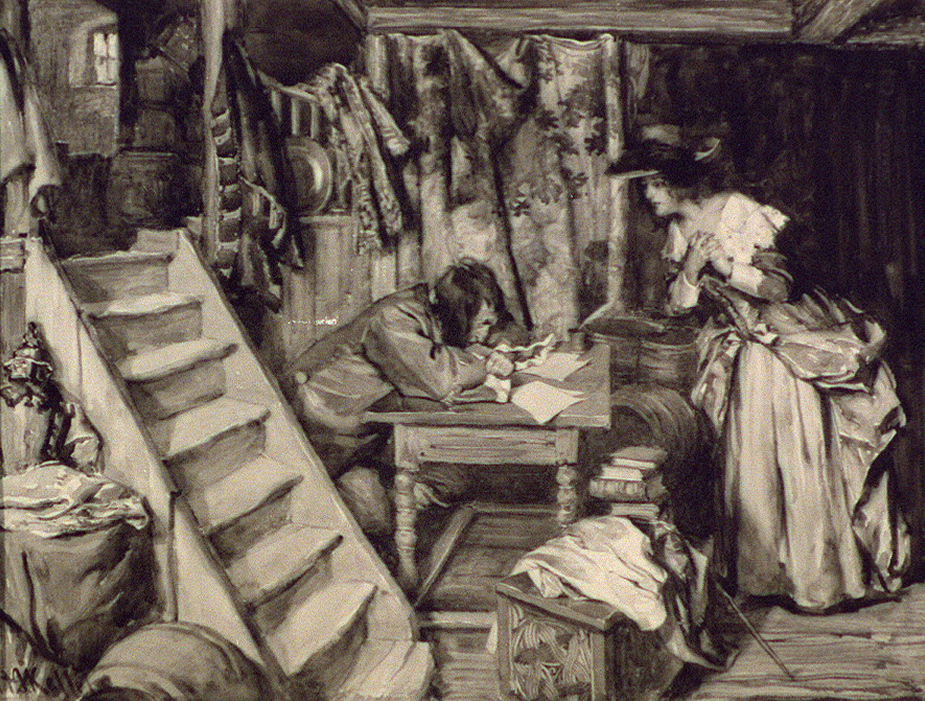
 A masked and armed mob (probably members of the Sons of Liberty) of “about 60 to 80” marched on Henry Laurens’ house at midnight, suspecting that he held the stamps. Lauren’s coolness toward the Patriot cause made him suspicious in the eyes of the public. The mob held “a brace of cutlasses across my breast” and for the next hour the house was searched.  Laurens was amazed by the lack of damage to his house:

Is it not amazing that such a number of Men many of them heated with Liquor & all armed with Cutlasses & Clubbs did not do one penny damage to my Garden not even not even to walk over a Bed & not damage to my Fence, gate or House?

1830

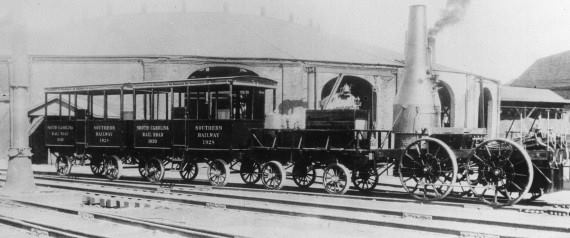
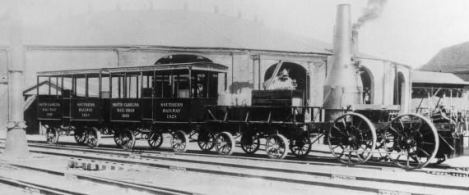
 The Best Friend arrived in Charleston on the freighter Niagra, in parts, and was taken to the shop of Thomas Dotterer where it was reassembled.

best friend

The Best Friend

Today In Charleston History: October 21

1718 – Piracy

 Governor Johnson wrote to the Commissioners of trade and expressed his apprehension that “the pirates who infest the coast in great numbers would be much irritated” at the actions of Col. Rhett. (Rhett had recently captured the pirate Stede Bonnet who had blockaded Charles Town harbor with Blackbeard.) Johnson again asked for a permanent vessel be sent for the protection of the Carolina coast.

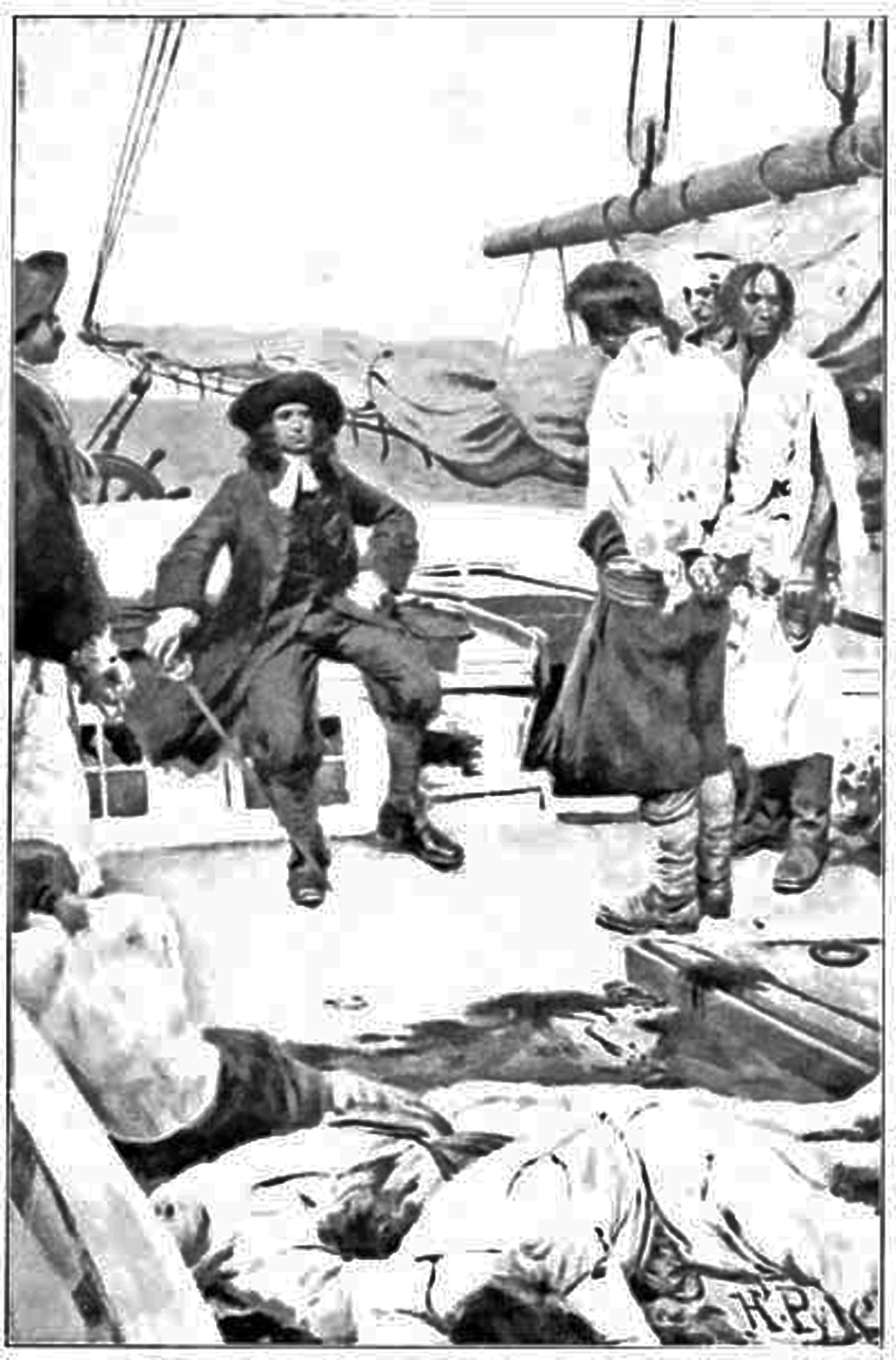
col rhett and bonnet

Col. Rhett’s capture of Stede Bonnet

Almost immediately, word arrived that a pirate ship named Cape Fear, captained by Christopher Moody, was off the bar with a vessel carrying fifty guns and 200 men. Moody was infamous for giving “no quarter” (sparing of lives). The news spread across the city like wildfire.

The Council approved Johnson’s request to outfit four ships – the Mediterranean (twenty-four guns), the King William (thirty guns), the Sea Nymph (six guns) and, ironically, Stede Bonnet’s former pirate vessel, the Royal James, was outfitted to hunt down pirates. The Council asked for volunteers, promising them a share of all the booty that might be taken.

1779 – American Revolution

Henry Laurens was elected Minister to Holland by the Continental Congress. He was to procure a $10,000,000 loan to finance the war effort.

Today In Charleston History: October 6

1780 -American Revolution

Gov. Rutledge commissioned Thomas Sumter as Brigadier-General in command of all state militia. His instructions to Sumter were to inspire the public, enroll as many men as possible, and be prepared to “co-operate with the Continental forces.”

Rutledge, in order to escape capture by the British, was living in the field, moving from Hillsborough, North Carolina, to Salisbury, to Charlotte, to Cheraw, South Carolina.

1780 – American Revolution – England

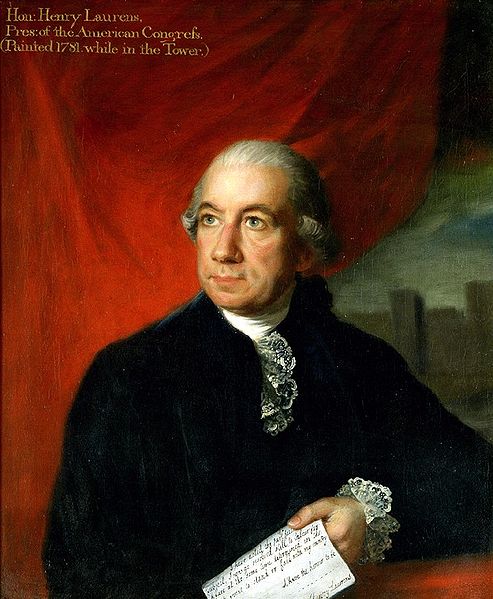
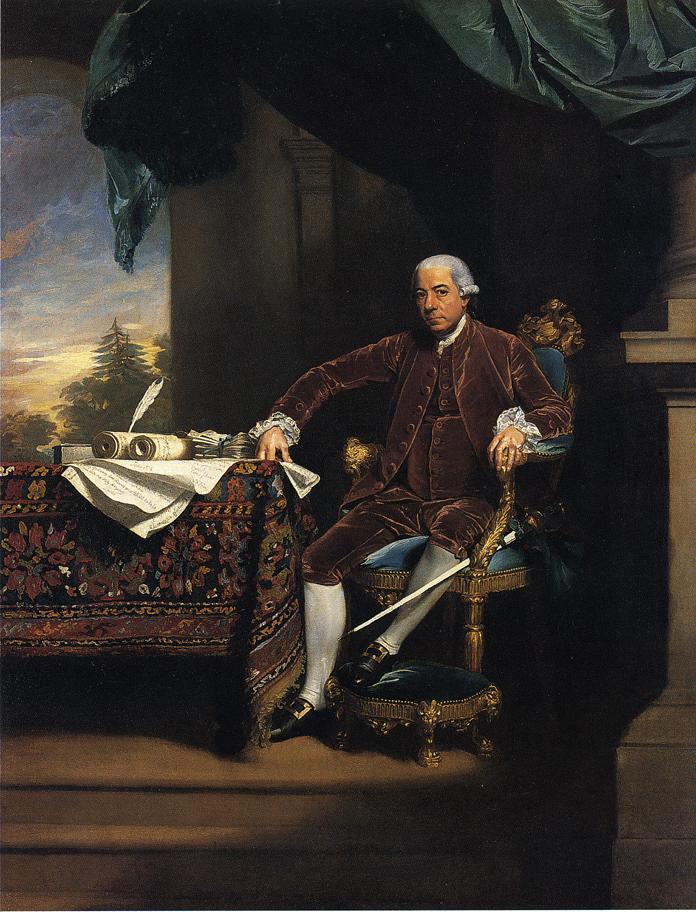
Henry_laurensHenry Laurens, was sentenced to the Tower of London for “suspicion of high treason.” His imprisonment was protested by the Americans. Laurens was captured by the British navy while acting as an envoy for the Continental Congress, negotiating treaties with European countries to support the American cause against the British. During his imprisonment, Laurens was assisted by Richard Oswald, his former business partner and the principal owner of Bunce Island. Oswald argued on Laurens’ behalf to the British government.

He was the first American to be imprisoned in the Tower. 

laurens, tower

L: Tower of London. R: Henry Laurens’ room in the Tower. Photos by Mark R. Jones

Today In Charleston History: October 3

1650 – English Civil War, Foundations of Carolina.

Parliament passed an act which prohibited trade between England and Barbados. During the English Civil War Barbados became an asylum for Royalists seeking to avoid the conflict. After the execution of Charles I, Parliament sought to punish Barbados for remaining loyal to the King by restricting their trade. This eventually created an economic crisis on the small island.

Twenty years later, the Carolina colony became the “promised land” for many Barbadian merchants and planters.

1718 – Piracy
1739_prospect_half-moon_small

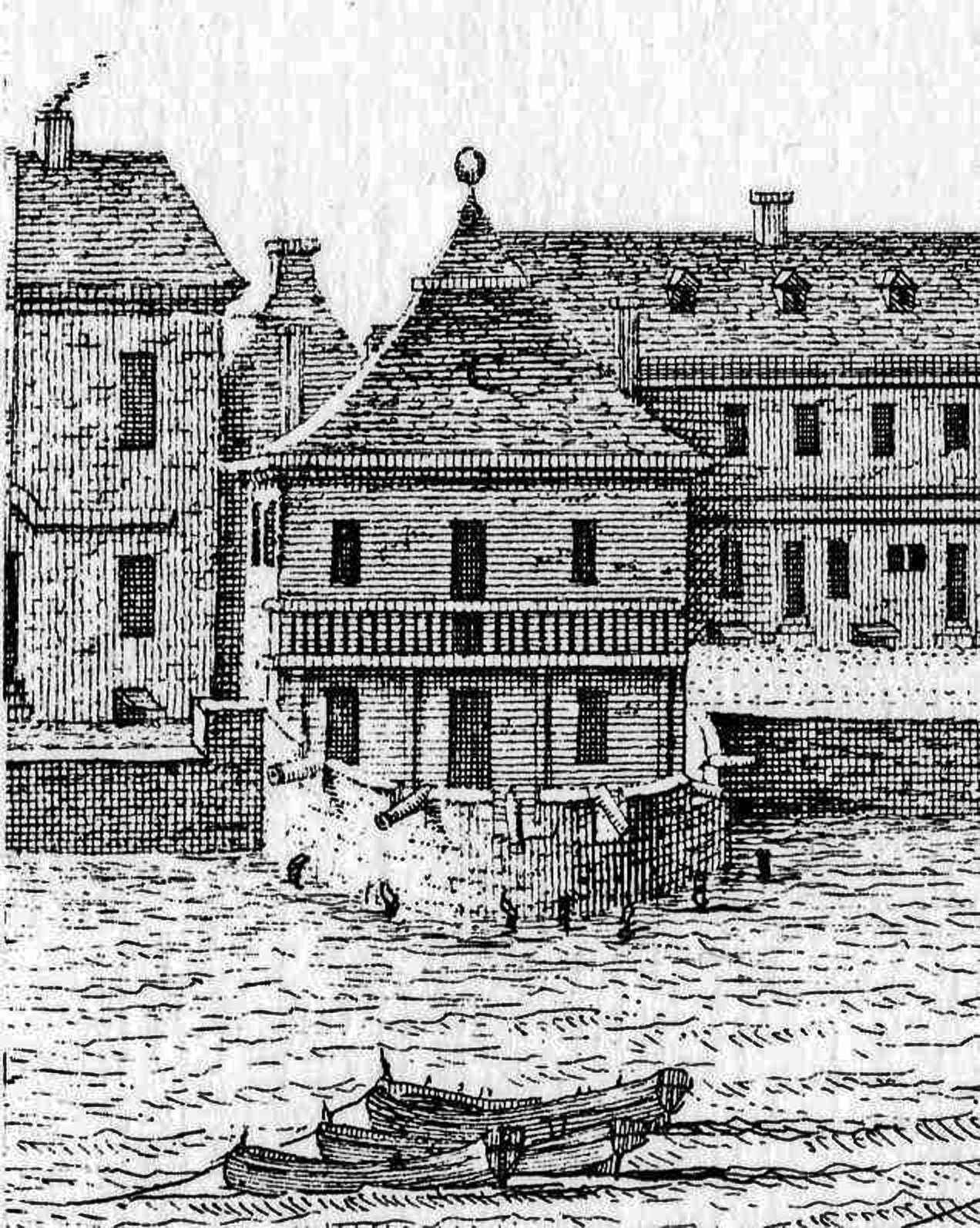
Half Moon Battery

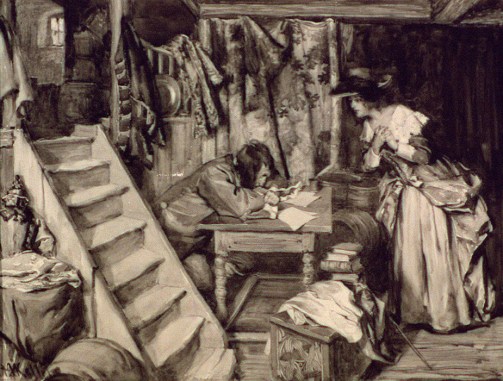
Col. William Rhett triumphantly returned to Charles Town with two vessels which had been captured by the pirate Stede Bonnet, the Fortune and the Francis. Rhett delivered Bonnet and his men to the Provost Marshal of Carolina, Capt. Nathaniel Partridge, who placed them in the watch-house at the Half Moon battery to await trial.

Stede Bonnet remained in the custody of Capt. Partridge at the latter’s residence under armed guard. David Herriot and boatswain Ignatius Pell were also kept in Partridge’s residence, as they had agreed to give evidence for the Crown.
http://hdl.loc.gov/loc.pnp/cai.2a13632

Stede Bonnet imprisoned in Charles Town.

1767

Henry Laurens confronted Gov. Daniel Moore and rebuked him over his behavior. When Moore responded with an insult Laurens grabbed him by the nose and twisted it before a crowd of people. Laurens and other Charlestown merchants filed several lawsuits against Moore charging him with illegal extortion of fees. Moore quickly sailed to London to present his case to the Royal authorities.

1769  – Backcountry

In a letter to Lord Hillsborough, Lt Gov. William Bull complained about those:

backcountry inhabitants who chose to live by the wandering indolence of hunting than by the more honest and domestic employment of planting … little more than white Indians.

1776   

A grand jury in Charlestown recommended:

 that Jews and others may be restrained from allowing their negroes to sell good in shops, as such practice may induce other negroes to steal and barter with them … a profanation of the Lord’s Day.

1793 – Slavery, Haitian Rebellion

The ship Maria, bearing refugees from Haiti, docked in the city’s harbor.

1833 – South Carolina Railroad

The Charleston & Hamburg Railroad began to run two passenger-only daily trains from Line Street to Ridge Road, located between Cypress Swamp and Four Hole Swamp. The first train left Charleston at 6:00 a.m. and returned at 9:00 a.m. The second train left at 1:00 p.m., returning at 3:00 p.m.  For the first time, people could visit to Charleston and return home 30 miles away in one day.
best friend

Today In Charleston History: August 23

1770 – American Revolution – Foundations.
laurens

Henry Laurens

News arrived that Boston, New York and Philadelphia had joined Georgia and Rhode Island in breaking their agreements with the non-importation Association. Henry Laurens wrote:

I am so disappointed in my Expectations of several Colonies North … to their late important Resolutions that I am in a humour to disbelieve the Sincerity of the majority of all Politicians …

1783

Henry Laurens left the American treaty negotiations in Paris to travel to Vigan, France in order visit his ailing brother, James.

1864 – Bombardment of Charleston.

That night, the Swamp Angel resumed shelling Charleston, on the thirty-sixth round the gun barrel blew up, the psychological threat remained real.