Today In Charleston History: February 4

1726

 First recorded snowfall in Charlestown.

1787

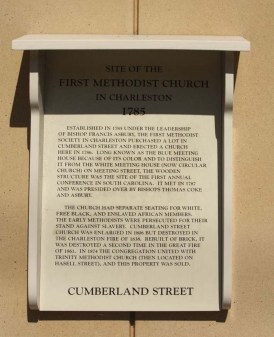
GSTS69420 II-10The Methodist Meeting House was completed on Cumberland Street, across from the Powder Magazine. The Charleston Methodists raised so much money that the church was debt free when Rev. John Tunnel held his first service.

A few months later, Bishop Francis Asbury preached a sermon at the Cumberland Street Church. A mob of Methodist haters gathered on the street and hurled bricks and stones through the window. Some female members were so frightened that they escaped through the side windows. Bishop Asbury continued the sermon during the attack.

The hatred toward the Methodist church was rooted in two things: their public stance against slavery, and their enthusiastic mode of worship, which was the polar opposite of the more reserved Anglican (Church of England) service. Methodist ministers had been openly critical of the Anglican Church, which created an atmosphere of confrontation.  

Site of the First Methodist Church Marker

First Methodist Church marker on Cumberland Street, Charleston, SC. Photo by Mike Stroud, 2011

Today In Charleston History: February 3 – Charleston First

FEBRUARY 3, 1736

The “Friendly Society for the Mutual Insuring of Houses Against Fire” was organized in Charlestown,by Charles and William Pinckney.  but was short lived. Four years later, the devastating Great Fire of 1740, destroyed over 300 buildings and bankrupted the company. However, the “Friendly Society” was the first fire insurance company established in the American colonies. 

In 1752, Benjamin Franklin brought together a group of Philadelphians to create the first North American property insurance company. Franklin named the company The Philadelphia Contributionship for the Insurance of Houses from Loss by Fire. Franklin’s company was more successful, and is often cited as the first fire insurance company, but it was sixteen years later than Charlestown’s ill-fated, short-livef Friendly Society.

At one point Charlestown had more than a dozen Fire Insurance Companies that issued metal fire markers to policyholders which signified their property was insured against fire damage. For owners the markers served as proof of insurance and a deterrent against arson. For insurance companies it served as a form of advertising, and alerted volunteer firefighters that the property was insured.

Local legend will tell you that a fire company would not extinguish the fire of a building without a marker since they would not be paid. That is false. Charlestown ordinances required all fire companies to respond to any conflagration. There was, however, a reward system for the first company on the scene of a fire, paid by the city.

Today you will see “fire mark plaques” on buildings throughout the city. Most of them are reproductions.

Fire markers on various Charleston buildings.

Fire markers on various Charleston buildings.

1833

The tracks of the Charleston & Hamburg Rail Road crossed the Edisto River at a station called Midway, half the distance to Hamburg – sixty-five miles from Charleston.

1863

Henry Laurens Pinckney died, and was buried in Circular Congregational church yard.

Henry-Laurens-Pinckney

Henry Laurens Pinckney. From Abbeville Institute

The son of Charles Pinckney (signer of the U.S. Consititution) and Eleanor Laurens Pinckney, he attended South Carolina College (Univ. of South Carolina and practiced law in Charleston. Pinckney served as a member of the South Carolina House of Representatives (1816–1832). He founded the Charleston Mercury in 1819 and was its sole editor for fifteen years. Between 1829 and 1840, he served six terms as intendant (mayor) of Charleston.

Paragraph

Today In Charleston History: February 2

1734

The South Carolina Gazette resumes publication under Lewis Timothy.

The paper first began in 1732 when Benjamin Franklin sent one of his printers, Thomas Whitmarsh, to open the Gazette in Charlestown. To replace Whitmarsh at his Philadelphia paper Franklin,hired Lewis Timothy. Two years later when Whitmarsh died of yellow fever, Lewis Timothy, revived the Gazette and ran it until his accidental death four years later.

1801

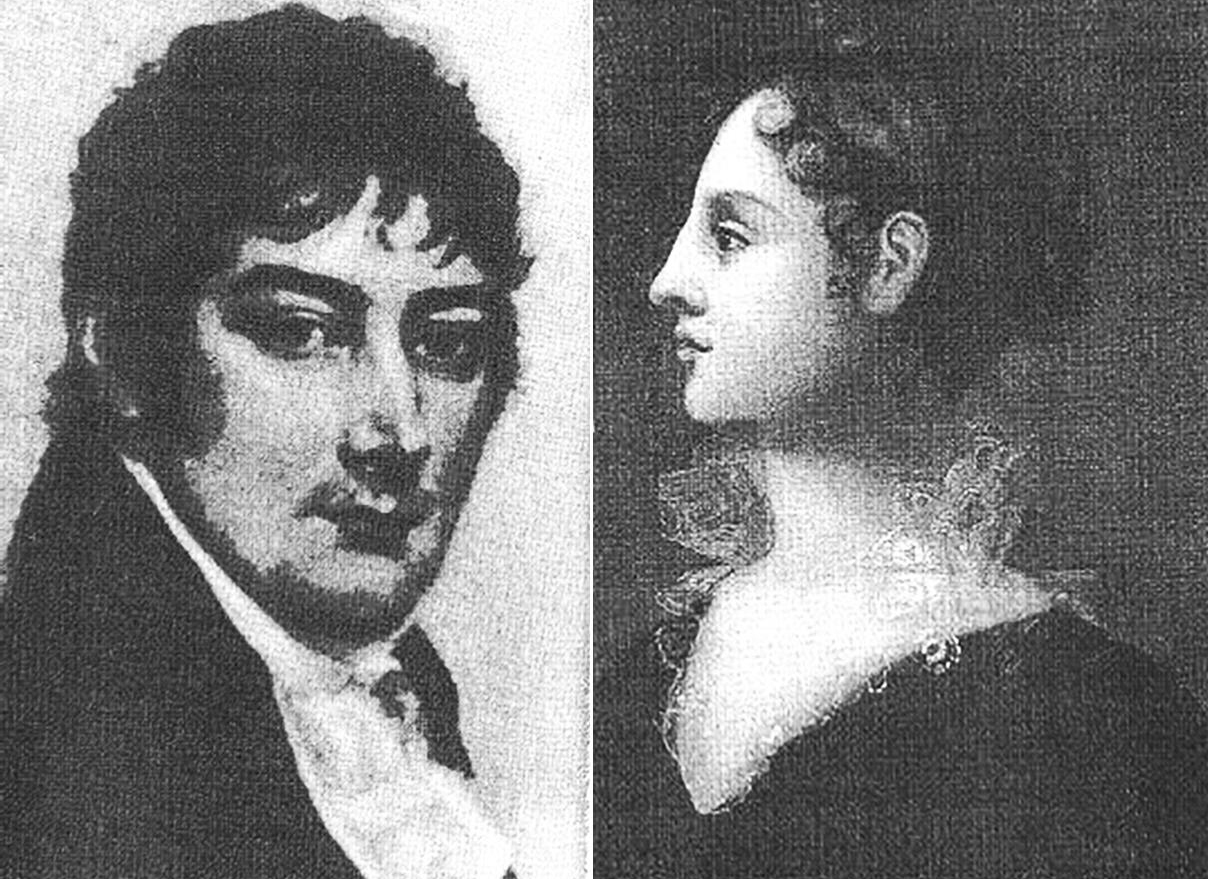
Joseph Alston, a wealthy landowner from South Carolina, married Theodosia Burr, daughter of vice-president elect, Aaron Burr in New York.  They honeymooned at Niagara Falls, the first recorded couple to do so.

It has been conjectured that there was more than romance involved in this union. Robert Troup, one of Burr’s best friends wrote that “the marriage was an affair of Burr, not of his daughter, and that the money in question was the predominant motive.”

Aaron Burr agonized about money matters, particularly as to how he would hold on to the Richmond Hill estate. His daughter’s marriage to a member of the Southern gentry helped relieve him of some of his financial burdens. The marriage also meant that Theodosia would become prominent in South Carolina social circles.

Not everyone was positive about the marriage. Hannah Gallatin, wife of Jefferson’s secretary of state wrote:

Report does not speak well of him [Alston]: it says he is rich, but he is a great dasher, dissipated, ill-tempered, vain and silly. I know that he is ugly and of unprepossessing manners. Can it be that the father had sacrificed a daughter to affluence and influential connections?

Despite all this negativity, it was Theodosia who chose Alston, and all records indicate it was a relationship of mutual love and admiration.

the alstons

Today In Charleston History: February 1

1761-Religion

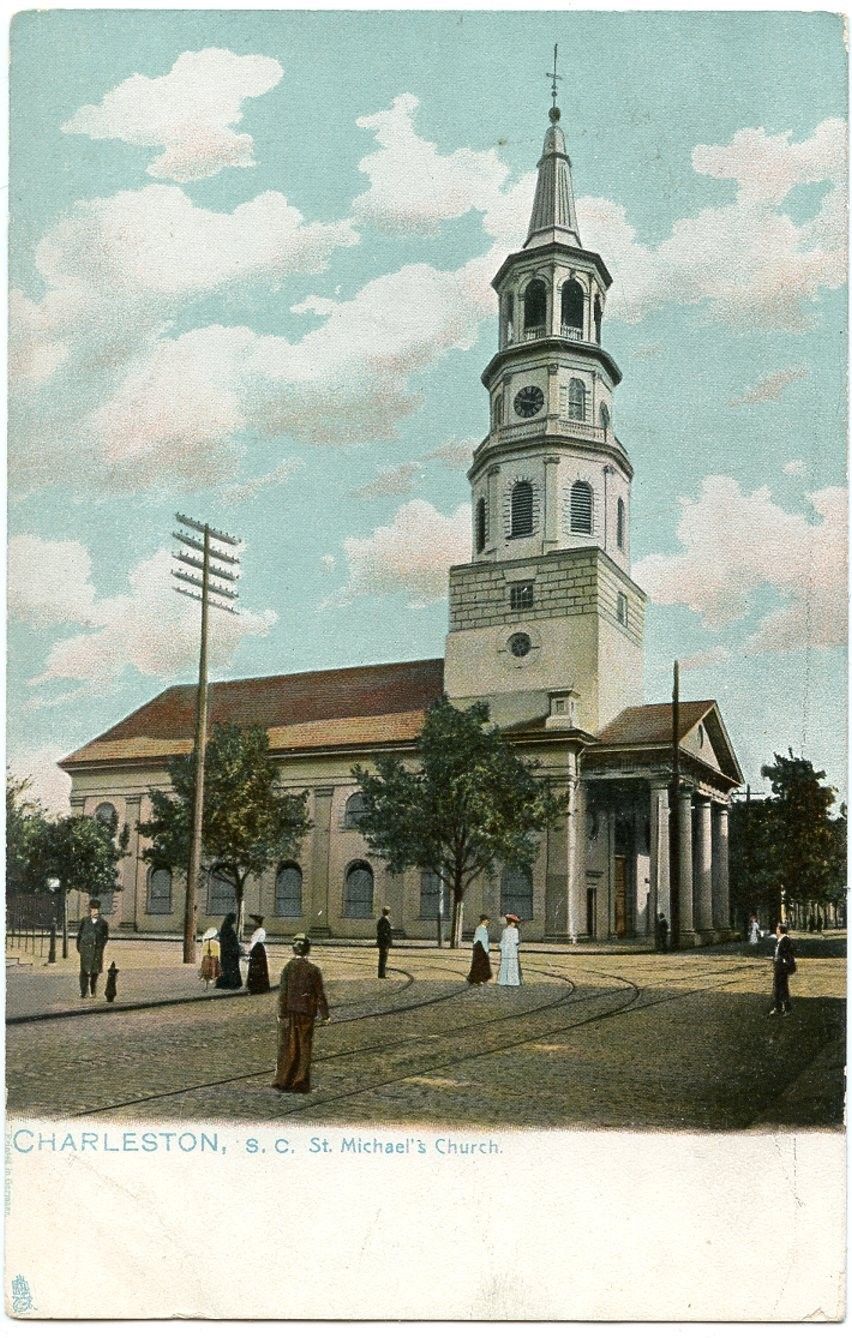
st. michael's - postcardFirst services are held at St. Michael’s Church, by Rev. Robert Cooper. It is the oldest surviving church building in Charleston, celebrating its 245th anniversary today. 

1836-Births
cordoza

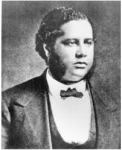
Francis Lewis Cardozo

Francis Lewis Cardozo born in Charleston. Highly educated in Scotland and England, he became a Presbyterian minister, politician, and educator. He was the first black to hold a statewide office in the United States. He was elected state treasurer in 1872. After he did not cooperate with corruption, some legislators unsuccessfully tried to impeach Cardozo in 1874. He was reelected in 1874 and 1876.

1870 – Charleston Firsts

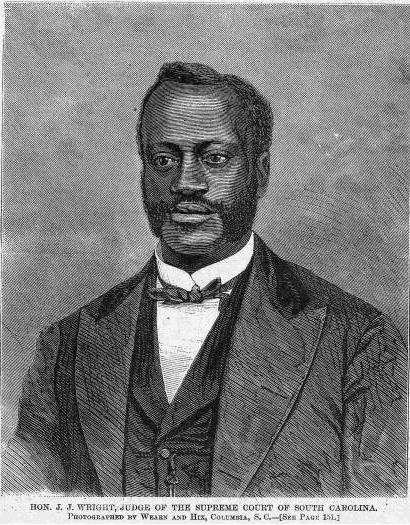
Jonathon Jasper Wright became the first black justice elected to a state Supreme Court. 
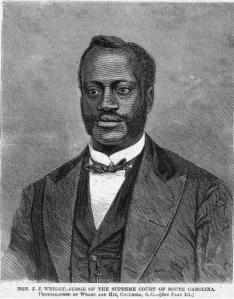
Jonathon Jasper Wright

Jonathon Jasper Wright

Jonathon Jasper Wright was born in Pennsylvania in 1840.  He attended the district school during the winter months, and worked for neighboring farmers the rest of the year. He saved up enough money to attend Lancasterian University in Ithaca, New York. 

He graduated in 1860 and for the next five years he taught school and read law in Pennsylvania. In October 1864 Wright was a delegate to the National Convention of Colored Men in Syracuse, NY. Chaired by Frederick Douglas, the convention called for a nationwide ban on slavery, racial equality under the law and suffrage for all males.

Wright then applied for admission to the Pennsylvania Bar but was refused due to his race. After the War Wright joined the American Missionary Association and was sent to Beaufort, South Carolina to organize schools for freed people.

When the Civil Rights Act was passed, Wright returned to Pennsylvania and demanded an examination for the Bar. He was admitted on August 13, 1865, and became the first black lawyer in Pennsylvania. By January 1867 he was back in South Carolina as head of the Freedman’s Bureau in Beaufort where he became active in Republican politics. He was chosen as a delegate to the historic South Carolina Constitutional Convention that met in Charleston in 1868. As one of the trained black lawyers in South Carolina, Wright had a great deal of influence in writing the Constitution and setting up the judiciary.

In a somewhat back-handed compliment, the Charleston Daily News called Wright a “very intelligent, well-spoken colored lawyer.”

There were 124 delegates to the convention, seventy-three of which were black. The new Constitution bestowed voting rights and educational opportunities “without regard to race or color.” It also included universal male suffrage, the omission of all property qualifications for office, outlawed dueling and legalized divorce.

Later that year, in the first election under the new Constitution, Wright was elected to the South Carolina Senate – one of ten black senators elected. In the South Carolina House seventy-eight of the 124 representatives were black. However, many whites had no intention of “obeying a Negro constitution of a Negro government establishing Negro equality.” The white-dominated press called it the “Africanization of South Carolina” and most whites never accepted the 1868 Constitution as legitimate. They were determined to undermine all the gains made by blacks with the support of the Yankee carpetbaggers.

Shortly after the election, Solomon Hogue resigned from the South Carolina Supreme Court to take up a seat in Congress. That left a vacant seat on the high court for the rest of his judicial term, ten months. The black Republican-dominated legislature was determined to elect a black man to the open seat to join the two white men – Chief Justice Franklin J. Moses, a scalawag (a Southerner who supported the Federal government), and Associate Justice A.J. Willard, a carpetbagger (a Yankee involved in Southern  politics.)

In fact, Moses was a former governor who was notoriously corrupt, picking up the nickname “king of the scalawags: and “the Robber Governor.”

The three candidates for the open seat were Wright, J.W. Whipper, a black representative, and one white candidate, former governor James Orr. The final vote on February 1, 1870 in the legislature was:

  • Wright, 72
  • Whipper, 57
  • Orr, 3

Ten months later, Wright was elected to a full term (six years) on the court. He was thirty years old.

1906-Births

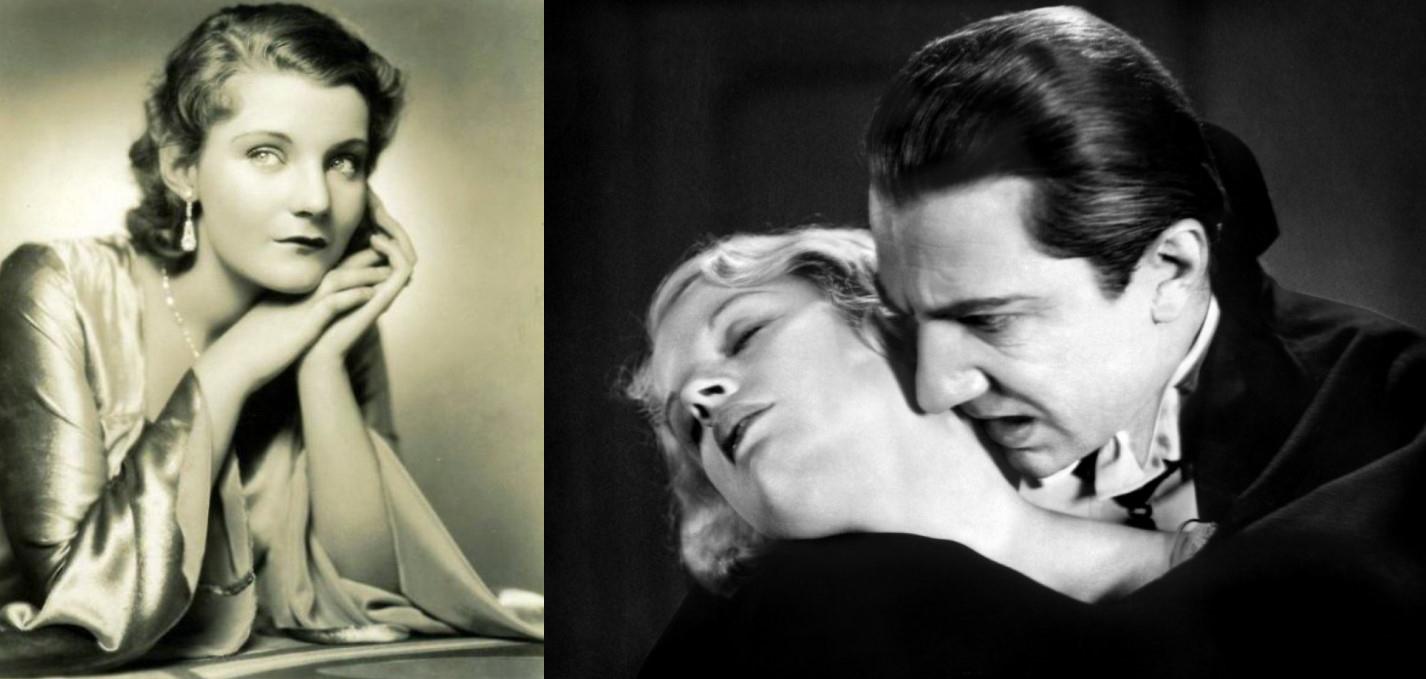
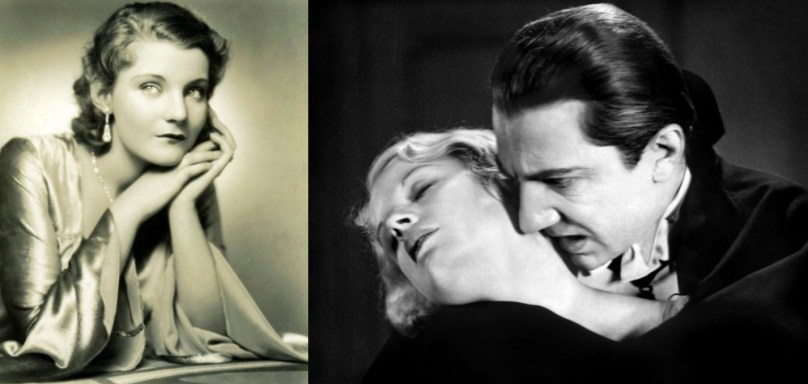
Helen Chandler was born in Charleston. By the late 1920s she had become a hugely popular actress on the New York stage. She was in 1920 production of Richard III, which starred John Barrymore, Macbeth in 1921 with Lionel Barrymore. By the time of her first film she had been in over twenty Broadway productions. Hollywood beckoned, but whatever quality made Chandler a success on the stage did not survive the transition to film.

Chandler is probably best remembered by movie fans as the fragile Mina, pursued and nearly vampirized by Bela Lugosi in the original Dracula (1931). In 1937 Chandler left Hollywood and returned to the stage, but a dependency on alcohol and sleeping pills haunted her subsequent career, and in 1940 she was committed to a sanitarium. Ten years later she was disfigured in a fire, caused by smoking in bed.  Chandler died following surgery for a bleeding ulcer on April 30, 1965. Her body was cremated, and as no relative ever came forward to claim the remains, her ashes now repose in the vault of the Chapel of the Pines Crematory in Los Angeles.
helen chandler

Left: Helen Chandler in Hollywood. Right: Chandler being ravished by Bela Lugosi in Dracula, 1931

Today In Charleston History: January 31

1780 – The Seige of Charlestown

Continental Army General Benjamin Lincoln requested that Governor John Rutledge “order 1500 Negroes to assemble in the vicinity of this town with the necessary tools for throwing up lines immediately.”

1800

Charles Pinckney delivered a speech in the U.S. Senate on the subject of trial by jury.

Viewing as I do impartial juries as among the most indispensable ingredients of a free government, it is my duty to declare … that in those states in which the federal marshals have a right to summon jurors as they please, the people are not free!

1863 – Civil War
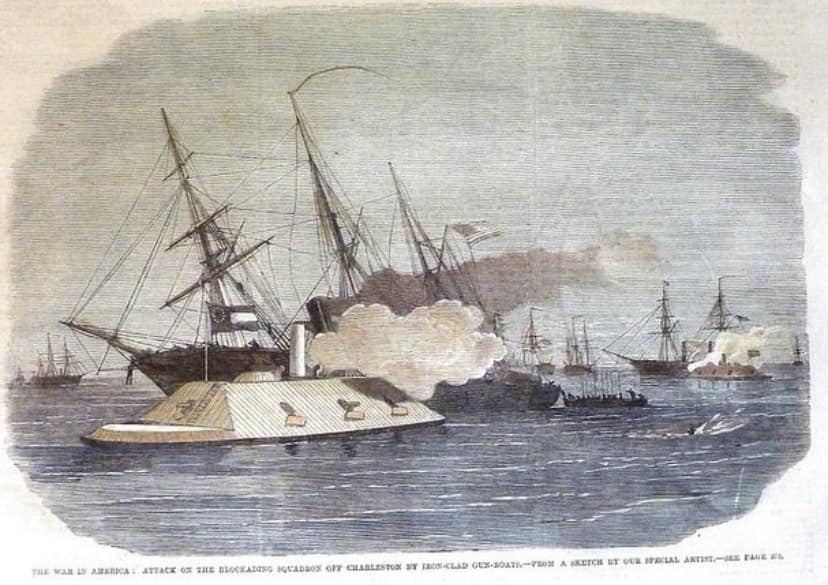
At about 5am, Confederate ironclads CSS Palmetto State and CSS Chicora attack the Union blockade outside of Charleston harbor. The Palmetto State rammed bow first into the Mercedita’s port quarter, ripping a hole in the ships keel. The Confederate crew fired its point blank into the Mercedita, bursting the ship’s boilers, immediately crippling the ship. The Chicora  and the USS Keystone State exchanged fire, with a Confederate shot hitting the steam drum on the Keystone State. The explosion killed 20 men. The Chicora signaled for the ships surrender but there was no reply.
Union ships began to arrive and both sides fired at one another until sunrise, when the wooden Union navy retreated, unable to inflict damage upon the iron side Confederate warships.

ironclad attack - 1863

 1864 – Civil War   

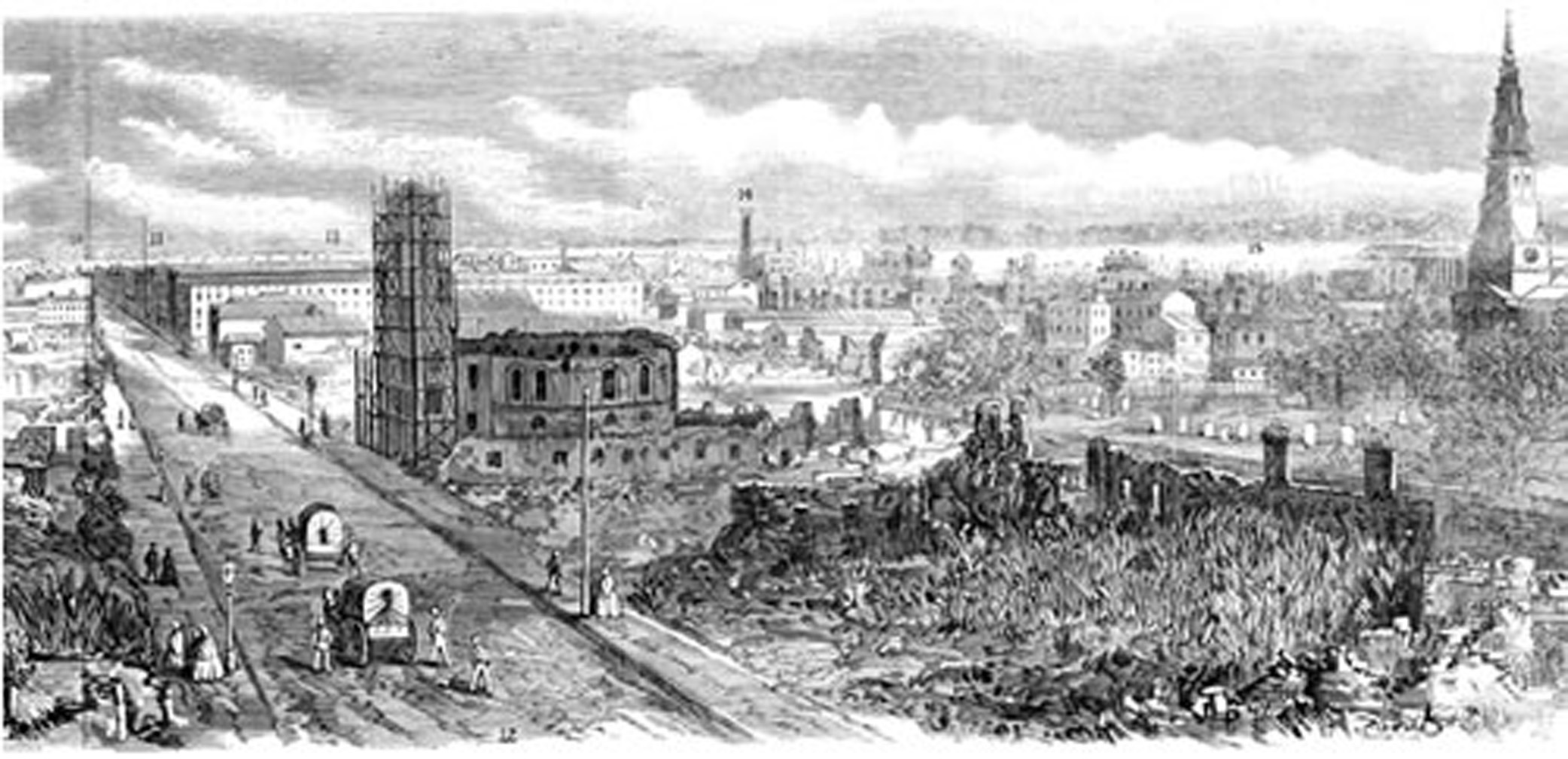
 Colonel W.W.H. Davis took in three Confederate Irish deserters from Charleston who complained they were “much pinched for food.” From the deserters accounts Davis reported that:

Our shells have done considerable damage in Charleston. Most of the shells explode, but as yet few people have been injured by them. Charleston is depopulated, except by the very poorest class of people, and they have moved as far uptown as they can get. Beauregard’s headquarters and all the public offices have been removed to the upper part of the city. 

meetingengraving

Charleston, Meeting Street, circa 1865 – Ruins of the Circular Church after the 1861 fire and Federal Bombardment.

Today In Charleston History: January 30

1649 -English Civil War

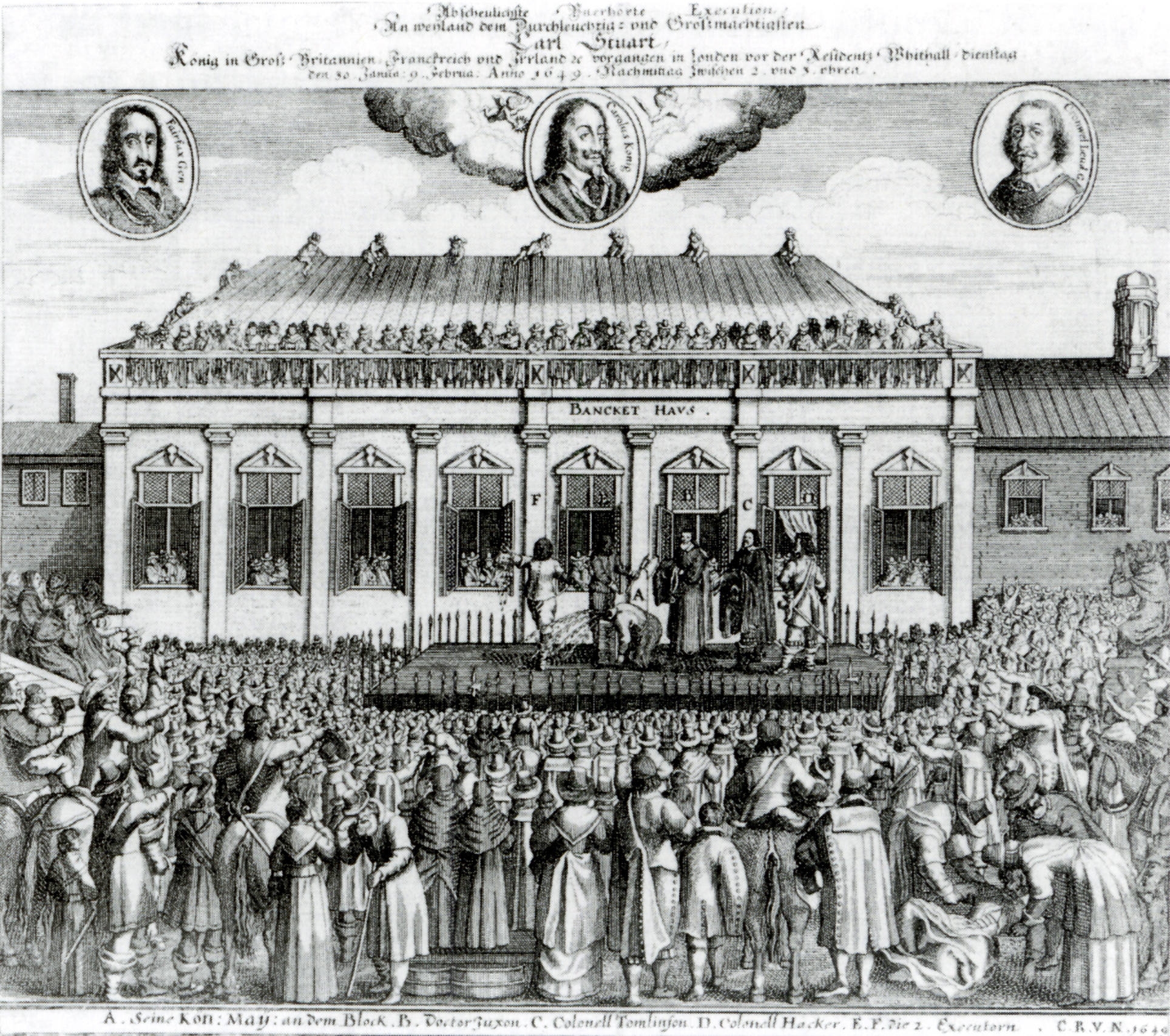
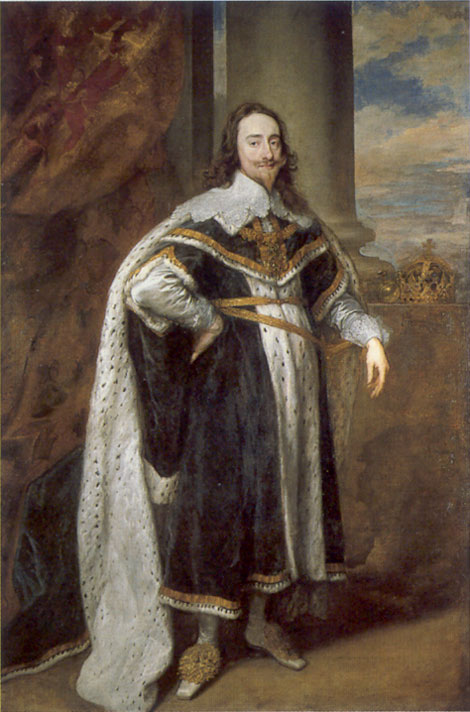
King Charles I, “tyrant, traitor, murderer and public enemy,” was executed for at the Banqueting House of the Palace of Whitehall.

Execution of Charles I

Execution of Charles I

1662

On the 12th anniversary of his father’s execution, Charles II ordered the body of Oliver Cromwell removed from Westminster Abbey. The corpse was given a posthumous execution by beheading and the “twice-dead” body was hanged in chains at Tyburn. The decapitated head was displayed on a pole outside Westminster Hall until 1685. (One of the world’s greatest moments of revenge.)

1770

Lt. Governor William Bull urged the Assembly to make provisions for adequate education in South Carolina. He stated that “liberal education in the province was essential for the future of the community.” A committee which included Henry Laurens and Christopher Gadsden, presented a bill to the Assembly for the establishment of a college. This is often defined as the founding of the College of Charleston, which would be inaccurate since the bill was never approved by the Assembly.  The College would not officially be established until 1785.

1838 – Deaths

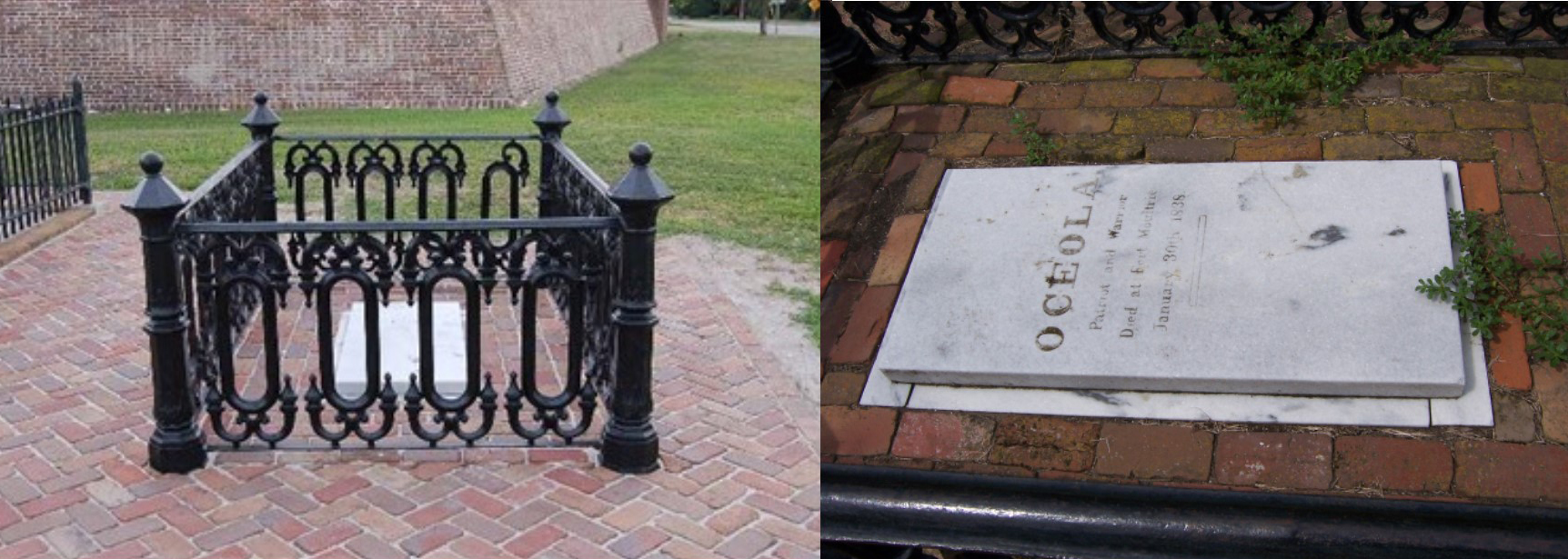
Osceola, the Seminole Indian chief, died in captivity at Ft. Moultrie.

In October 1837, Osceola was captured when he went for peace talks near St. Augustine, Florida. He was initially imprisoned at Fort Marionbefore being transferred to Fort Moultrie on Sullivans Island, outside Charleston, South Carolina. Osceola’s capture by deceit caused a national uproar. General Jesup and President Martin Van Buren were condemned by many congressional leaders. That December, Osceola and other Seminole prisoners were moved to Fort Moultrie, Charleston, South Carolina. where they were visited by many locals.

Three months later Osceola died of quinsy, a recognized complication of tonsillitis, or malaria, according to some sources. He was buried with military honors at Fort Moultrie.

osceola grave - illustration

Today In Charleston History: January 29

1737. Culture. Scandal

It was not unusual for husbands to place notices in the Gazette announcing their wayward wives, as a means of shaming them to society. However, Issac Simmons placed the following announcement in the Gazette about his wife, lured by the theater life:

This is to give notice to all people in Charles-town or elsewhere, not to credit harbor nor entertain Mary Simmons, the wife of Issac Simmons, which has made an elopement from her said husband especially to be employed in the Playhouse in Charles-Town, it being entirely against the said Mr. Simmons’ request. 

1751. Slavery

The Assembly received a petition of Thomas Miles for reimbursement for his slaves Venus and Kitt who “were tryed for Poisoning and condemned to be executed pursuant to the directions of the ‘Act for the better ordering and governing of Negroes and other Slaves in this Province.’” Kitt was executed but Venus was “pardoned, and was afterwards sent off the Province.” 

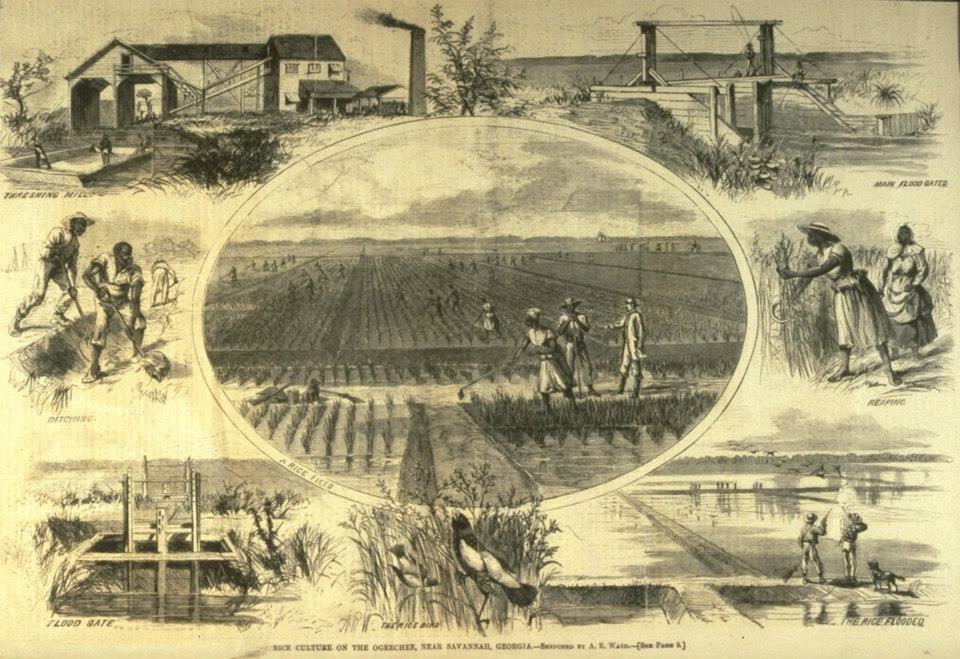
The most profitable commodity in the lowcountry was African slaves  – to work the rice fields, construct casks and barrels and build and maintain the boats that transported the rice down river from plantation to port.  Two skilled slaves represented a substantial financial investment for a planter. In present-day economics, their value would approximately be $15,000 – $20,000. The Carolina planters’ appetite for new slaves was so strong that one merchant wrote that “Negroes are the proper bait for Catching a Carolina Planter, as certain as Beef to catch a Shark.”

Lt. Governor Bull estimated there were 57,253 Negroes in South Carolina, about 15,000 adult males. He also noted that with only about 6000 white males this “must raise in our midst many melancholy reflections.”

rice production

Today In Charleston History: January 28

1787 – Marriage

Dr. David Ramsay married Martha Laurens.

Ramsay had been married twice, and tragically lost both wives within a year of being married. Martha was the beloved daughter of Henry Laurens, former President of Continental Congress, and the first American imprisoned in the Tower of London (he was arrested by the British while acting as an agent for Congress raising funds for the Revolution in Europe.) Ramsay met Martha while he was researching his History of the Revolution of South Carolina. 

1861 – Secession 

Pierre Gustave Toutant Beuaregard

Pierre Gustave Toutant Beauregard

P.G.T. Beauregard was removed as Superintendent of the U.S. Military Academy at West Point. It was the shortest tenure of any superintendent – five days. His orders were revoked when his native Louisiana seceded from the Union. Beauregard protested to the War Department that they had cast “improper reflection upon [his] reputation or position in the Corps of Engineers” by forcing him out as a Southern officer before any hostilities began.

Within a month he resigned his commission and became the first Brigadier General of the Confederate Army. He served in Charleston and ordered the firsts shots of the War be fired at Fort Sumter. 

1866 – Civil War

The melted fragments of St. Michael’s bells were shipped to England by Fraser, Trenholm and Company. 

The bells for St. Michael’s were cast in 1764, by Lester & Pack in London. When the British evacuated Charleston in 1782 as part of their plunder, the eight bells of St. Michael’s were taken back to England. Shortly afterward, a merchant in London secured the bells and returned them to a grateful Charleston. 

st. michael's - postcard

St. Michael’s Church

In 1864, when Sherman made his march through the South Carolina, Charleston expected to be in his path, so the bells were sent to Columbia for safe-keeping.  Sherman by passed Charleston and burned Columbia, the state capital. The shed in which the bells were stored was burned and the bells were reduced into molten slag. The metal was salvaged and the bells were sent to London to be recast by Lester & Pack – today in history.The bells were returned in 1868 and resumed their place in the church.

In 1989, the bells were damaged by Hurricane Hugo in 1989. They once again were shipped to London for repair. They can be heard chiming in Charleston today on an hourly basis.

Today In Charleston History: January 27

1649 – English Civil War

King Charles I

King Charles I

King Charles I was found guilty by a court of Puritans. When given the opportunity to speak, Charles refused to enter a plea, claiming that no court had jurisdiction over a monarch. He was convicted of treason and sentenced to death.

1716 -Yemassee War

  Several weeks of negotiation bore fruit when the Cherokee tribe allied with the English. They lured Creek soldiers with a plan of hiding in the forest, lying in wait for the English. The Cherokee killed the Creek and attacked their villages. Within a few months, the Creek and the Yemassee were decimated and asked for peace.

1730 – Arrivals.  

Eleazar Phillips, a bookseller, binder and printer arrived in Charlestown from Boston, the “first Printer to his Majesty” in Carolina.

1784 – Politics. State Capital.

       More than 220 citizens of the District between the Broad and Catawba Rivers petitioned the Assembly for “removal of the seat of government, county courts, a college, a revision of the state constitution and tobacco inspection warehouses.” They asked that the new capital “be fixed as centrical as possible for the ease and convenience of the community at large.”

       John Lewis Gervais presented a plan to move the capital to Friday’s Ferry on the Congaree River. His plan called for the division of 640 acres near Friday’s Ferry into half-acre lots. The legislature passed “an act to appoint Commissioners to purchase lands for the purpose of building a town and for removing the seat of government thereto.” The new town would be named Columbia.

Today In Charleston History: January 26

1776. Fortifications.

      The Council of Safety ordered Col. William Moultrie to develop new signals to be used for the lighthouse at Morris Island, at Ft. Sullivan and Ft. Johnson to warn of the approach of British naval vessels.

1862

As part of the defenses of the city,  a fleet of twenty ships were sunk in Maffit’s Channel off the Isle of Palms.

1893 

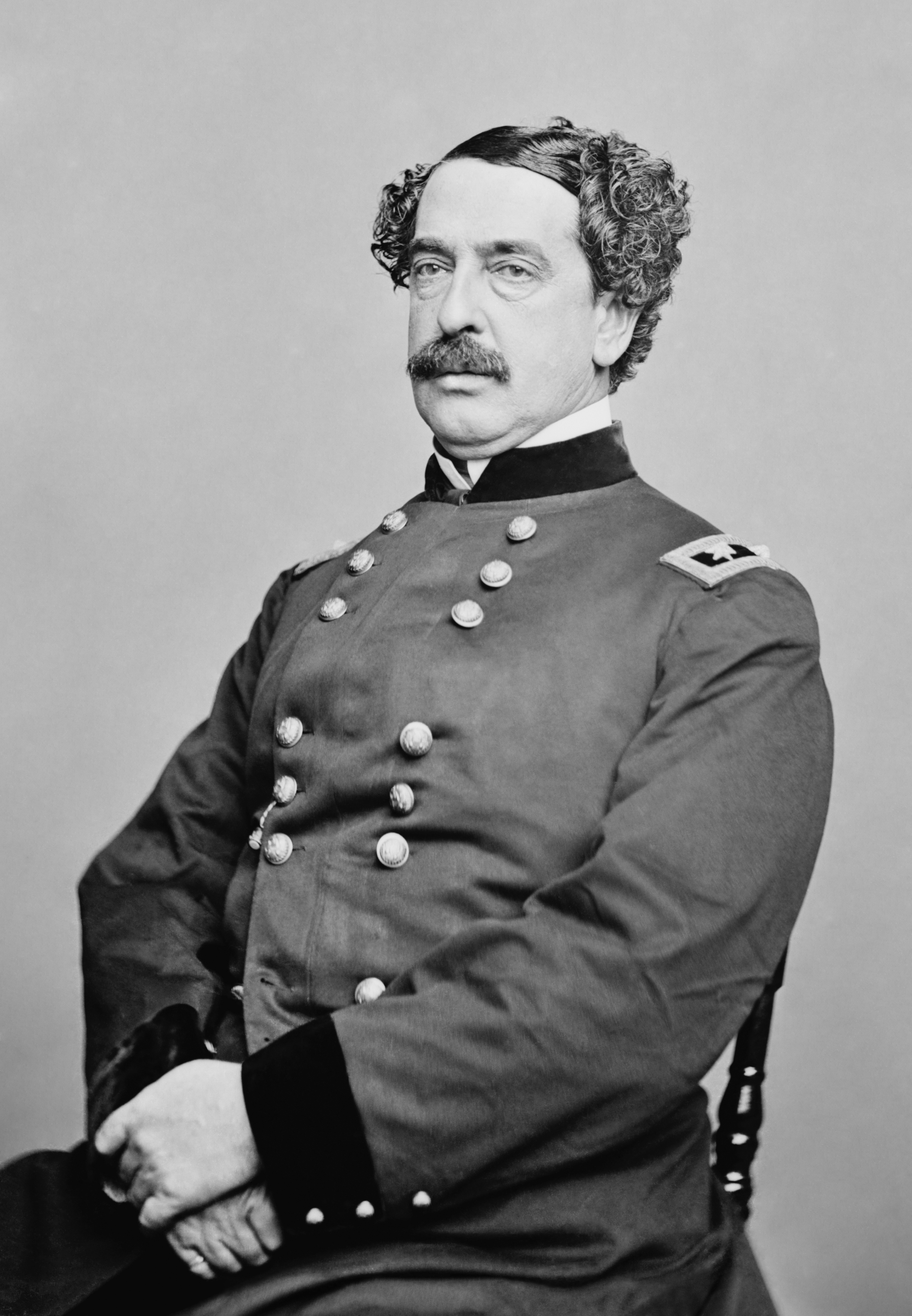
DoubledayoAbner Doubleday, who DID NOT invent baseball, died. However, Doubleday DID fire the first shot of the War in defense of the Union at Ft. Sumter, April 12, 1861.
The whole “invented baseball” thing is typical of lazy history. In 1908, fifteen years after his death, Doubleday was declared by the Mills Commission to have invented the game of baseball (a claim never made by Doubleday during his lifetime). While the modern rules of baseball were formulated in New York during the 1840s, it was the scattering of New Yorkers exposed to these rules throughout the country, that spread not only baseball, but also the “New York Rules”, thereby harmonizing the rules, and being a catalyst for its growth. Doubleday was a high-ranking officer, whose duties included seeing to provisions for the US Army fighting throughout the south and border states. For the morale of the men, he is said to have provisioned balls and bats for the men, hence his connection to spreading baseball across the country.

When I mention Doubleday’s connection to Ft. Sumter on tour, someone always says, “He invented baseball.” When I tell them, “No, he didn’t” you’d think I just insulted their mother. If they persist the argument I ask, “Do you also think George Washington never told a lie?”

1911. Hampton Memorial

Louisa Smythe wrote to Mayor Robert Goodwyn Rhett:

hamptonmonument-smEight years ago, it was decided by Daughters of the Confederacy to put up a memorial to Hampton – an ‘Egyptian obelisk of correct proportions’ on three low bases each about one foot high.

The Daughters raised $2000 for the monument, which was ultimately erected in Marion Square. 

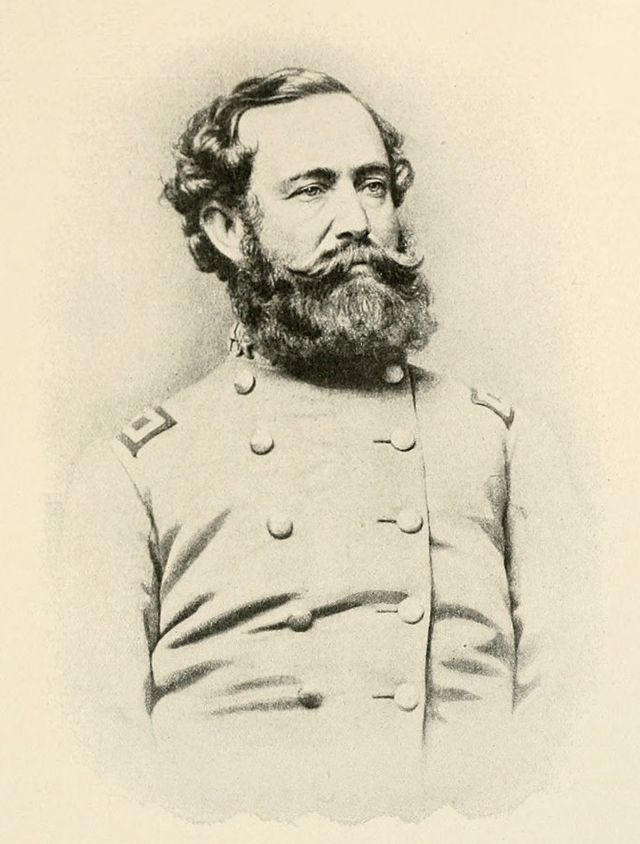
Hampton, of course, is Wade Hampton III. Born in Charleston, into one of the most prominent families in South Carolina, Hampton became one of the wealthiest men in the South. When South Carolina seceded, Hampton formed his own calvary unit and served across the South throughout the War. After the War, near the end of the Reconstruction, he was elected 77th Governor of South Carolina, serving 1876-1879, and later was elected as a U.S. Senator.

640px-WadeHamptonp274cropHis election as governor was marked by extensive violence by the Red Shirts, a paramilitary group that served the Democratic Party to work to disrupt elections and suppress black voting in the state. They contributed to the Democrats regaining control of the state government.