Today In Charleston History: February 13

1777 

The South Carolina legislature government stipulated that each male citizen shall denounce the King and pledge loyalty to the state.

1829

To generate support for their proposed railroad, to the Savannah River, the Charleston & Hamburg Rail Road Company built a test track of rail 150 feet long in the middle of the cobblestoned Wentworth Street in Charleston. They added flanged wheels to a small flat cart, which they then loaded with forty-seven bales of cotton. A single mule, hitched to the cart, was able to pull this load, four times a normal load, with ease, amazing the spectators. 

1900

James O’Neill appeared as D’Artagnan in The Three Musketeers at the Academy of Music, with Maud Odell, billed as “the beautiful South Carolina girl.” Odell was born in Beaufort, S.C. and had appeared in several productions in New York.

Maude_Odell

Maud Odell, Library of Congress 

Odell’s first major success was The Prisoner of Zenda, in which she appeared for 400 nights in New York. She later performed in Show Boat, and Tobacco Road. Her career spanned almost 40 years.

Odell was found dead of a heart attack in her dressing room just before a performance of Tobacco Road. She was buried at the cemetery of St. Peter’s Catholic Church in Beaufort, South Carolina.
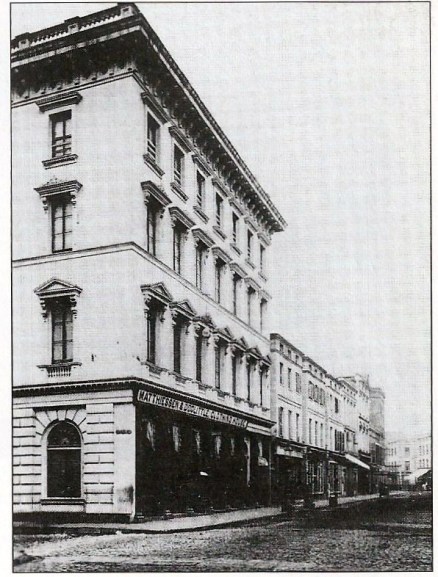
academy of music

Academy of Music, Market and King Street (present site of the Riveria Theater.
Today In Charleston History: February 12 – Charleston Firsts

1736 – Dock Street Theater

Constructed on the corner of Church Street and Dock Street (now known as Queen Street), the Dock Street Theatre was the first building in America built exclusively to be used for theatrical performances. On February 12, 1736 the Dock Street Theatre opened with a performance of The Recruiting Officer, a 1706 comedic play by Irish writer George Farquhar. The second work featured in the theater was the ballad opera, Flora, or Hob in the Well after its successful performance the year before at Shepheard’s Tavern.

The Great Fire of 1740 destroyed the original Dock Street which was replaced in 1809 by the Planter’s Hotel on the same site. In 1835 the wrought iron balcony and sandstone columns of the Church Street facade were added. The Planter’s became one of the finest hotels in the South. Most histories of Charleston claim that the famous drink, Planter’s Punch, was first served here, but that is not true, as is common among many Charleston “legends.”  

After the War (Between the States), the Planter’s Hotel fell into disrepair and was slated for demolition. But in 1935, the original building became a Depression Era WPA (Works Progress Administration) project. The hotel’s grand foyer became the foyer of the new theater and the hotel’s dining room now serves as the box office lobby.

On March 18, 2010, the Dock Street Theater reopened for the third time after a three year, $19 million dollar renovation by the City of Charleston which included state-of-the-art lighting and sound, modern heating and air conditioning.

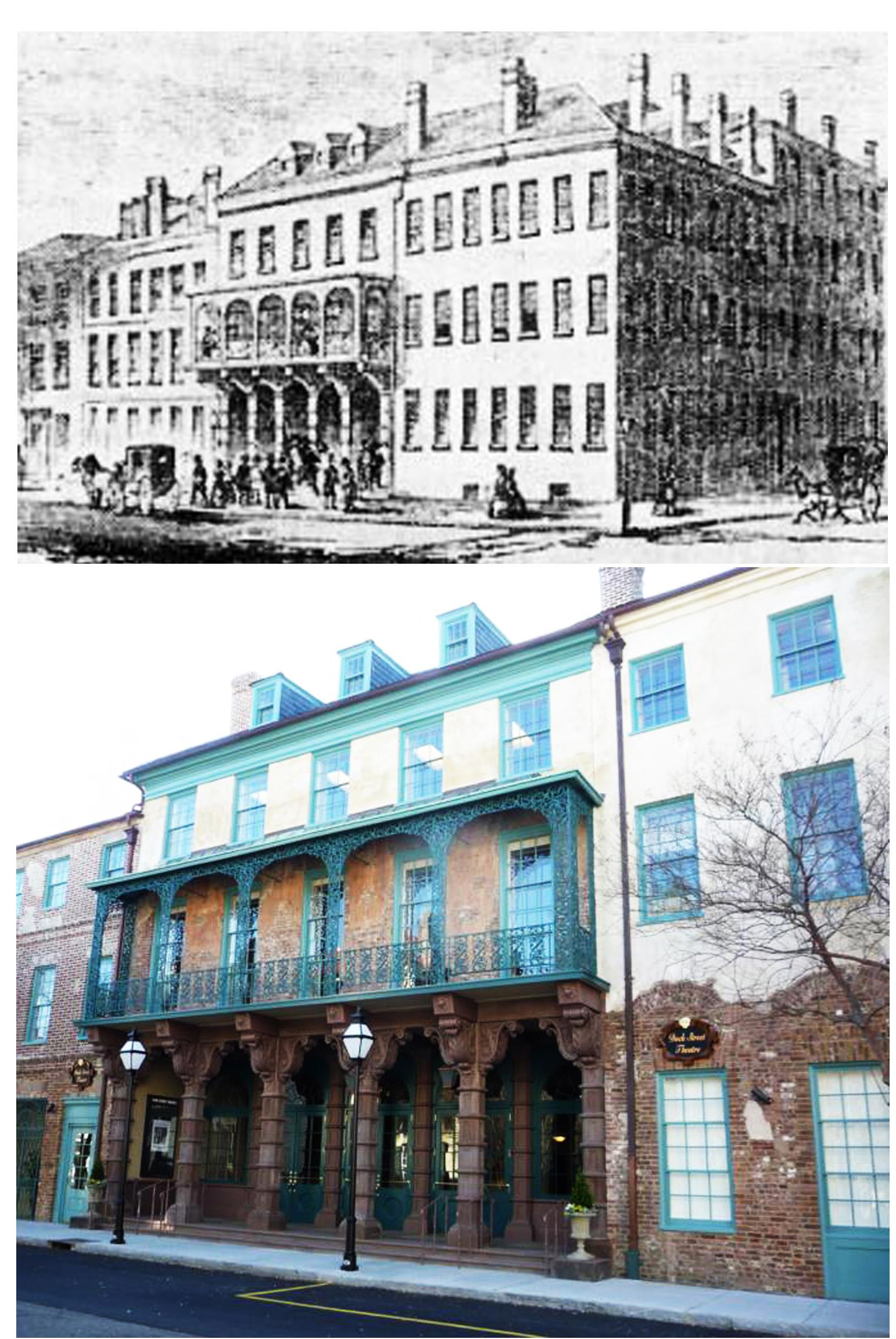
dock street = two views

Dock Street Theater: TOP: view of the building circa 1835 as the Planters Hotel. BOTTOM: Modern view of the theater.


Today In Charleston History: February 11

 1724 – Crime (and Punishment) 

The citizens of Charlestown learned of Judith Dutartes’ pregnancy by an unidentified member of her family and:

a warrant was issued for bringing her before the Justice to be examined, and bound over to the general sessions, in consequence of a law of the province, framed for preventing bastardy.

Captain Simmons and six men of the Charles Town militia attempted to serve the warrant against the Dutartre family and Peter Rombert.  Rombert told the family that:

God commanded them to arm and defend themselves against persecution, and their substances against the robberies of ungodly men; assuring them at the same time that no weapon formed against them should prosper.

The family opened fire on the militia as it approached the compound. Simmons realized his small group had no chance of delivering the warrant and retreated back to town, where a plan was formulated to take the Dutartres’ home by force.

Two days later, a militia of fifty men attacked the compound. Captain Simmons was killed and several other members were wounded. Within half an hour the militia had taken the property and:

killed one woman within the house, and afterward forcibly entering it, took the rest prisoners, six in number and brought them to Charlestown.

The prisoners taken were:

  • Peter Dutartre: the father
  • Peter Rombert: the prophet
  • Christian George: the minister
  • Michael Boneau: husband of a Dutartre woman
  • Judith Dutartre: daughter
  • David Dutartre: son
  • John Dutartre: son

To read more about the Dutartre family and the Orange Quarter … go here.

1785 – Politics
wm moultrie

Gen. William Moultrie

William Moultrie became the thirty-fifth governor of South Carolina.

Today In Charleston History: February 10

1790

William Drayton was nominated by President George Washington as the first judge of the United State District Court for the District of South Carolina and confirmed by the U.S. Senate. He served for two months until his death, May 1790. He had also served as an associate judge, Supreme Court of South Carolina, 1789

1826 – Theater
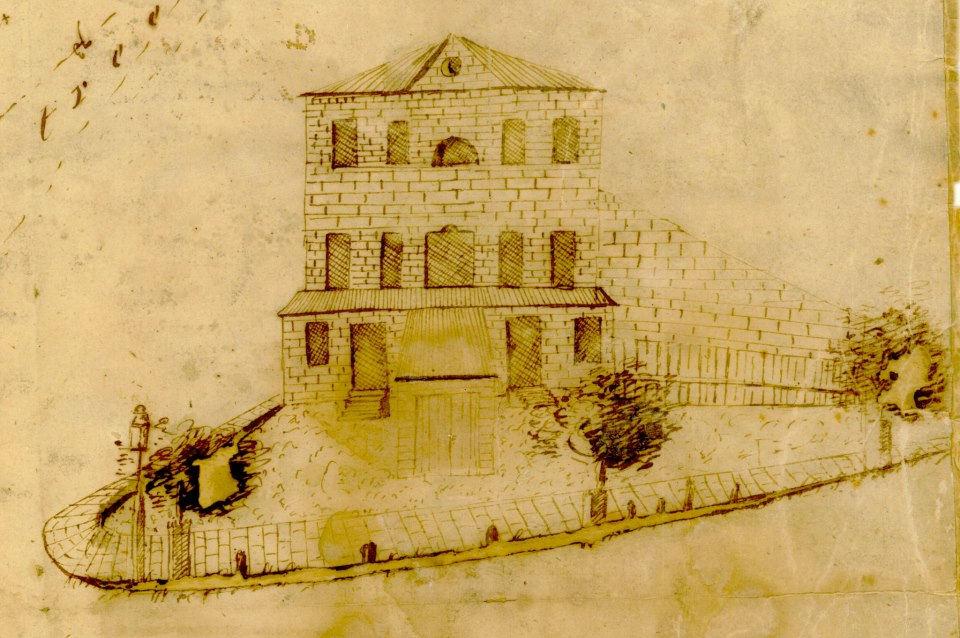
Theater (c. 1792) sat on the corner of Broad and New Streets. Designed by James Hoban.

Theater (c. 1792) sat on the corner of Broad and New Streets. Designed by James Hoban.

Mr. Cowell, “formerly of the Theatre Royale, Drury Lane,” reopened the Broad Street Theatre promising new scenery and splendid pageants. He also brought the New-York and Philadelphia Company of Equestrians and its twenty horses to Charleston. They performed at the old circus facility in the back of Vauxhall Garden.

1835 – Duel

A duel took place between two Jews named Moise and Cohen at the race course. Cohen died of his wounds two days later.

Today In Charleston History: February 9

1760 – England

 John Rutledge was called to the English bar and sailed home for Charlestown soon after.

1776 – American Revolution

The South Carolina delegation returned from the Continental Congress. During the return trip from Philadelphia aboard the Hawke, the British man-o-war Syren bore down on the small pilot boat. Capt. Joseph Vesey sailed hard for the shore and beached the Hawke on the North Carolina coast. The delegates and crew scrambled to safety in a nearby swamp and made their way overland to Charles Town, leaving the Hawke as a prize for the British.

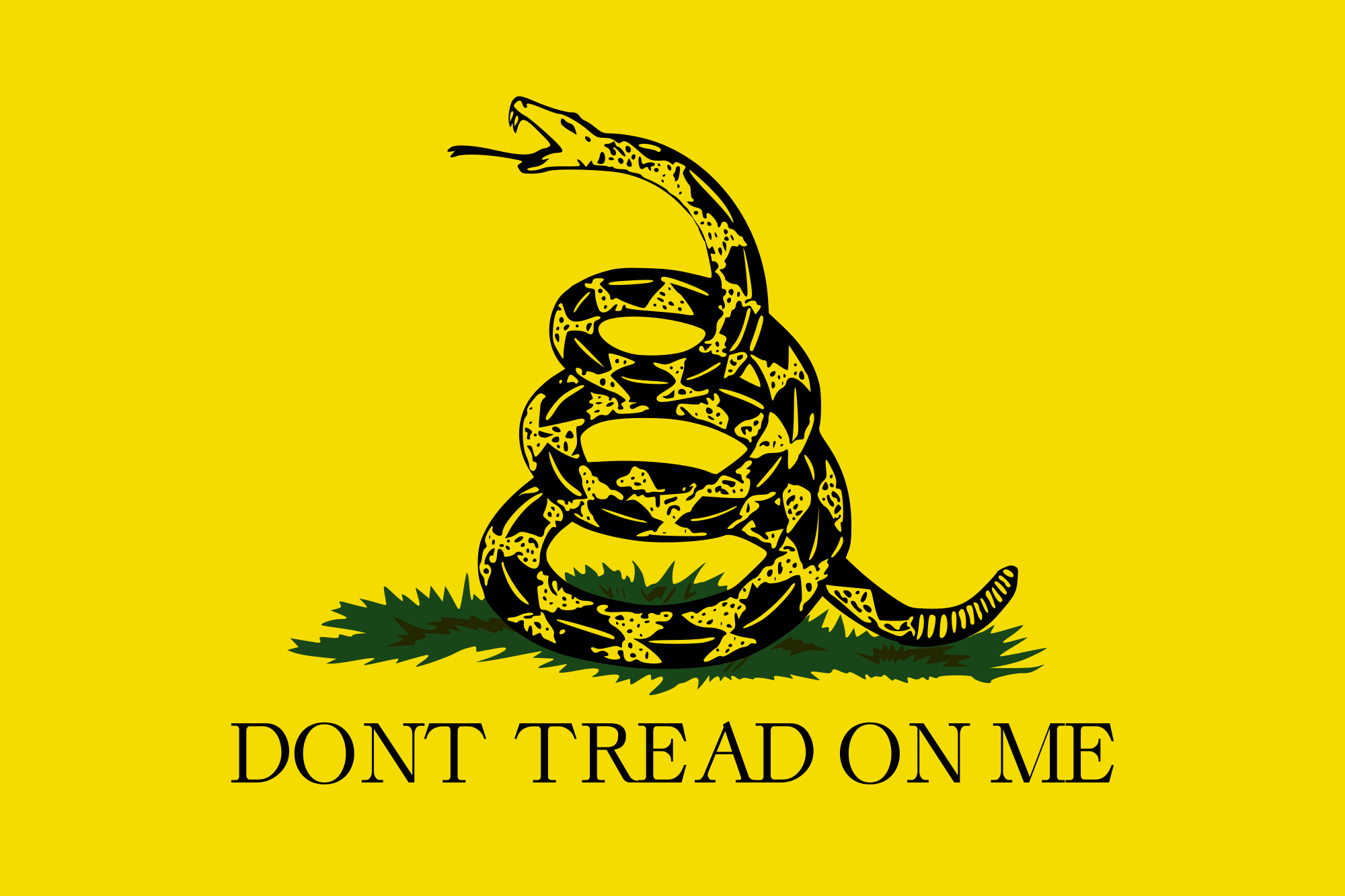
2000px-Gadsden_flag.svgOnce in Charlestown John Rutledge warned that a British attack in the South was probable. Christopher Gadsden presented his “Don’t Tread on Me” flag to the Provincial Congress. As recorded in the South Carolina congressional journals the proclamation read: 

Col. Gadsden presented to the Congress an elegant standard, such as is to be used by the commander in chief of the American Navy; being a yellow field, with a lively representation of a rattlesnake in the middle in the attitude of going to strike and these words underneath, “Don’t tread on me.”

Gadsden also a presented copy of Thomas Paine’s just published Common Sense, which helped inflame local political sensibilities.


Today In Charleston History: February 8

1671 – Arrivals  

Forty-two settlers arrived in Charles Town from Barbados on the ship John and Thomas, named for the two men who outfitted the vessel, John Strode and Thomas Colleton.

1780 – The Seige of Charlestown

Colonel Charles Cotesworth Pinckney, commander of Ft. Moultrie, complained to Gen. Lincoln he was short both men and ammunition. He requested 1215 troops to man the walls, artillery and defensive works. He only had 200. He wrote:

“If half cannot be obtained, I shall make the best defense in my power with the number that may be allowed me.”

1824 – Births

Barnard Elliott Bee Jr.  was born in Charleston, South Carolina, the son of Barnard Elliott Bee, Sr., and Ann Wragg Fayssoux, in his grandfather’s house on Tradd Street.  Bee graduated from the United States Military Academy in 1845, thirty-third in his class and assigned to the 3rd U.S. Infantry. He accumulated many demerits while at West Point, including several for chewing tobacco while on duty.

Bee became a career United States Army officer and a Confederate States Army general during the American Civil War. Bee was appointed brigadier general and given command of the third brigade of the Army of the Shenandoah, under Brig. Gen. Joseph E. Johnston.

During the subsequent battle, known as the First Battle of Bull Run, or Manassas. Bee used the term “stone wall” in reference to Brig. Gen. Thomas J. Jackson and his men, giving rise to the name “Stonewall Jackson” and his Stonewall Brigade. There has been debate over whether this nickname was meant in admiration or as an insult due to Jackson’s men not advancing –  “stone wall’ symbolizing being immobile.

Bee was mortally wounded as the Confederates began to gain the upper hand in the battle. He died the following day – one of the first general officers to be killed in the war. As a result, it could not be determined whether his naming of Stonewall Jackson was intended as praise, a condemnation. He is buried in Pendleton, South Carolina. 

Bernard Bee; Peter Fayssoux House, Tradd Street, Charleston

L: Bernard Bee. R: Peter Fayssoux House, Tradd Street, Charleston


Today In Charleston History: February 7

1649-English Civil War

Parliament voted to abolish the English monarchy. What does this have to do with Charleston history?

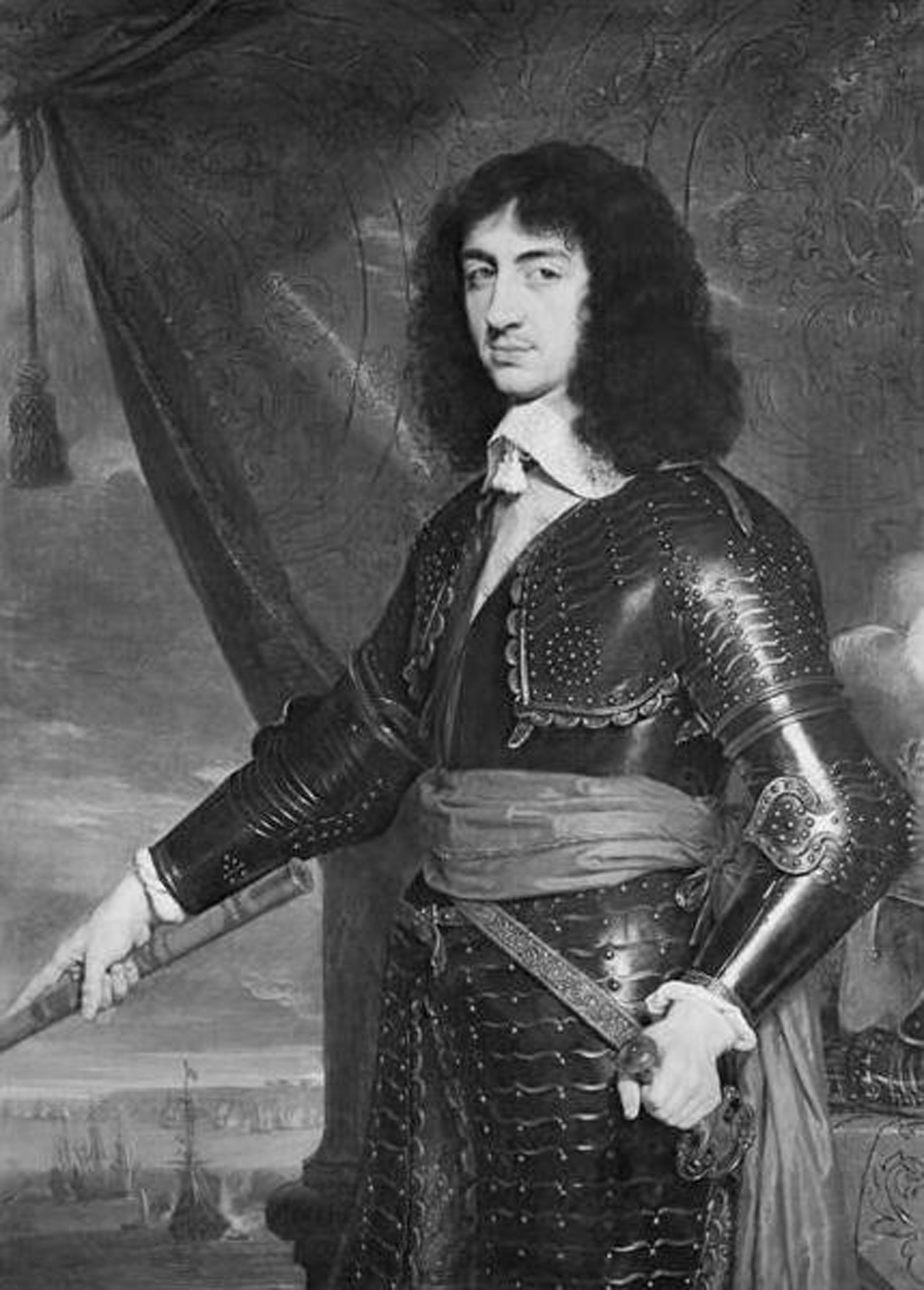
Charles II

Charles II

After the beheading of Charles I, and the defeat of his army, his sons, Charles and James, were forced to flee England and live in exile for many years. After the Restoration of the throne Charles II became king of England in 1660. To reward some of the men who were instrumental in his restoration, Charles granted them the Carolina colony. 

1747

A severe frost causes the end of trying to grow oranges for profit in the lowcountry. The Orange Grove Plantation was where the present-day Citadel stands today.

Today In Charleston History: February 6

1719 – Fortifications.

The Assembly passed an act “for the more speedy putting the bastions of the Fortification of Charles Town in a posture of defence” by repairing the existing fortifications.

1740 – Religion.
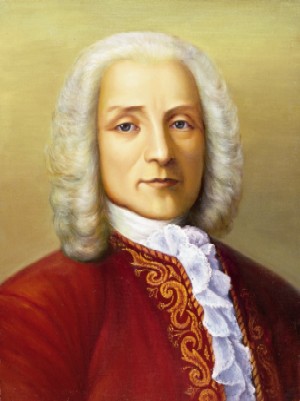
Charles Pachelbel

Charles Pachelbel

Charles Theodore Pachelbel (baptized Karl Theodorus) became the organist at St. Philip’s Church.

 Pachelbel arrived in Charlestown in April 1736.  Born in Germany in 1690, he was the son of the famous Johann Pachelbel, composer of the popular Canon in DPachelbel initially migrated to Providence, Rhode Island to install an organ in Trinity Church in 1733. Three years later he arrived in Charlestown and stayed until his death.

Today In Charleston History: February 5

1698 – Arrivals.  
trott-n-lg

Nicholas Trott

Nicholas Trott was appointed Attorney General of Carolina. Trott had served the same post in Bermuda. He was the first Carolina official who was trained at the Inns of Court – a professional association for barristers. His uncle, Sir Nicholas Trott, had been governor of the Bahamas and was accused of harboring pirates for personal profit. Edmund Bohun was appointed Chief Justice.

Disasters

The first recorded earthquake shook the lowcountry.

1755- Walled City

The South Carolina Assembly agreed to hire German-born engineer William De Brahm to build new fortifications under the direction of the Assembly-appointed Commissioners of Fortifications. They decided to concentrate on building up the southeastern seaward side of the peninsula.

1763

gadsdenChristopher Gadsden defended the Assembly’s decision to cease all business until a disputed election issue was settled. It was an early declaration of the “natural rights” philosophy which would soon sweep the American colonies during the opposition against British policies. Gadsden called their action: 
Absolutely necessary, and the only step that a free assembly, freely representing a free people, that have any regard for the preservation of the happy constitution handed down to them by their ancestors, their own most essential welfare, and that of their posterity, could freely take. ‘Tis a joke to talk of individual liberty of free men, unless a collective body, freely chosen from amongst themselves are empowered to watch and guard it.

1779

John Rutledge was elected Governor of South Carolina, replacing Lowndes as chief executive.

Today In Charleston History: February 2

1734

The South Carolina Gazette resumes publication under Lewis Timothy.

The paper first began in 1732 when Benjamin Franklin sent one of his printers, Thomas Whitmarsh, to open the Gazette in Charlestown. To replace Whitmarsh at his Philadelphia paper Franklin,hired Lewis Timothy. Two years later when Whitmarsh died of yellow fever, Lewis Timothy, revived the Gazette and ran it until his accidental death four years later.

1801

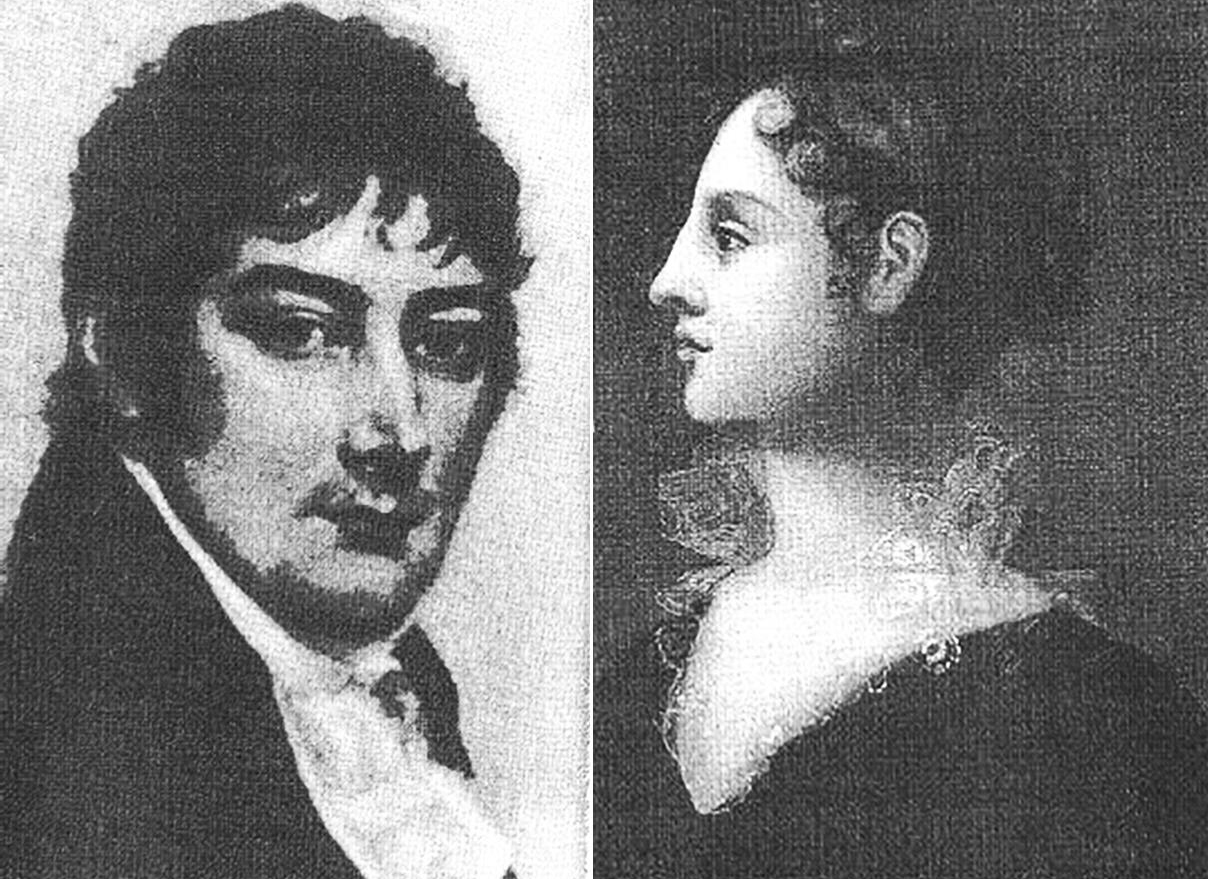
Joseph Alston, a wealthy landowner from South Carolina, married Theodosia Burr, daughter of vice-president elect, Aaron Burr in New York.  They honeymooned at Niagara Falls, the first recorded couple to do so.

It has been conjectured that there was more than romance involved in this union. Robert Troup, one of Burr’s best friends wrote that “the marriage was an affair of Burr, not of his daughter, and that the money in question was the predominant motive.”

Aaron Burr agonized about money matters, particularly as to how he would hold on to the Richmond Hill estate. His daughter’s marriage to a member of the Southern gentry helped relieve him of some of his financial burdens. The marriage also meant that Theodosia would become prominent in South Carolina social circles.

Not everyone was positive about the marriage. Hannah Gallatin, wife of Jefferson’s secretary of state wrote:

Report does not speak well of him [Alston]: it says he is rich, but he is a great dasher, dissipated, ill-tempered, vain and silly. I know that he is ugly and of unprepossessing manners. Can it be that the father had sacrificed a daughter to affluence and influential connections?

Despite all this negativity, it was Theodosia who chose Alston, and all records indicate it was a relationship of mutual love and admiration.

the alstons