1671-Arrivals. Barbadian Faction.
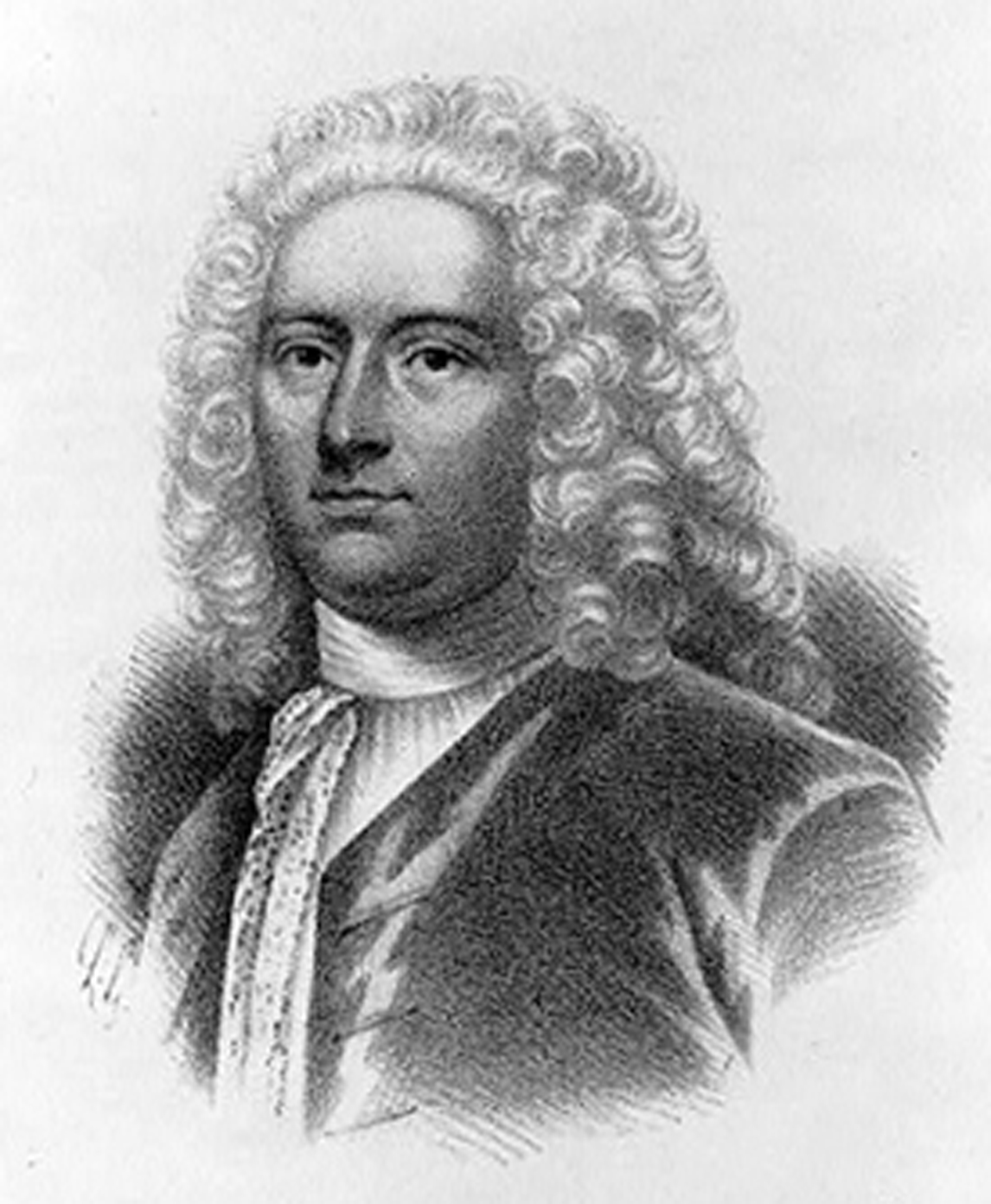
Sir John Yeamans arrived from Barbados with 50 settlers and more supplies. The lure of Carolina was simple. On Barbados there was only about 100,000 acres of arable land. A large plantation consisted of 200 acres. More than half the landowners possessed less than 10 acres. Just by arriving in Carolina, a Barbadian land owner received fifteen times the amount of land he owned on the island.
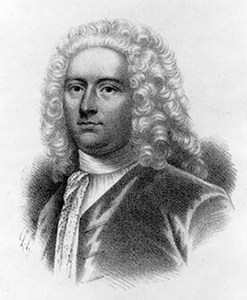
Sir John Yeamans
According to the Fundamental Constitutions, Yeamans expected to be named Governor upon his arrival, as he was the only Landgrave present in Carolina. The Constitutions provided that the eldest of the Lords Proprietor who should be present in Carolina should be Governor; if no Proprietor was present then the eldest of the landgraves should assume the position.
Even though the Constitutions had yet to be approved by the Grand Council, it was being used as the blueprint for the colony. Yeamans’ push to become governor created a power struggle and divided the colonists into two groups – the group from Barbados (aligned with Yeamans) and the group from Europe (aligned with Capt. Joseph West). Yeaman’s property was about 30 miles up the Cooper River, in the Goose Creek area, which became a bastion for the Barbadians.
West wrote that Yeamans was “disgusted that the people did not incline to salute him Governor.”
The Barbadians (Yeamans, Colleton, etc …) looked down on the English immigrants. The English were novices, still adjusting to the shock of colonial life, and stood no chance against this assault by the Barbadians in controlling the government and commerce.
After all, the Barbadians had years of experience in the New World. With their plantations and trading companies, they helped establish the most successful colonial society in the New World. They were independent, experienced, ambitious and often unscrupulous in their quest for riches. They also brought with them a fully established society and lifestyle.
The Barbadians had a well-defined slave code, which was adopted for Carolina. They were devoted to the Anglican Church and lived with:
a combination of old-world elegance and frontier boisterousness. Ostentatious in their dress, dwellings and furnishings, they liked hunting, guns, dogs, military titles liked ‘Captain’ and ‘Colonel’, a big mid-day meal and light supper. They enjoyed long hours at their favorite taverns over bowls of cold rum punch or brandy.
They cast a long shadow and influenced much of the life in Charles Town, establishing the blueprint for what was to become romanticized as “the Old South.” They had little interest in the Proprietors’ notions of a perfect government. Within the year, the Barbadians would control the Council and the Assembly.
1700-Exports
Three hundred and thirty tons of rice were exported from Charles Town to England and the West Indies. Edward Randolph, Collector of Customs wrote:
They have now found out the true way of raising and husking Rice. There has been above 300 Tons shipped this year to England besides about 30 Tons more to the Islands.
1781-British Occupation
British Col. Nisbet Balfour ordered all wives and families of the St. Augustine Patriot exiles to leave South Carolina by August 1. Balfour had already learned of the prisoner exchange, and due to the difficulty the British were having in feeding the civilians, they were happy for an excuse to get rid of several hundred people. He also ordered that the St. Augustine prisoners must go to either Philadelphia or Virginia, not Charlestown.
1791-Executions
Charleston’s sheriff was reimbursed for the “hire of a Pilot boat to convey Pirates to place of Execution” to Hangman’s Point in the city’s harbor.
1893-Dispensary Act
Saloons in South Carolina were closed by the state-wide Dispensary Act. Alcohol was available ONLY from a state-run Dispensary. Charleston, of course, ignored the law, instituting a “fine-licensing system.” The police “raided” illegal saloons (called blind tigers) on a quarterly basis. The owner pled guilty to violating the Dispensary Act and paid a fine of $25 ($600 in present day currency …and then re-opened until they were “raided” again.
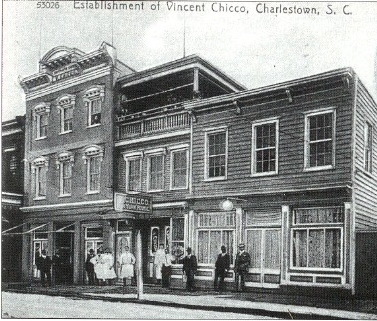
Vincent Chicco’s establishment, c. 1920s.

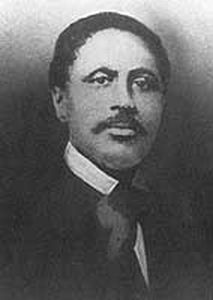 Macon Bolling Allen, a black, passed the Maine bar exam. He became one of the first blacks to practice law in America, first in Maine and then Massachusetts. He moved to Charleston after the War and established a law practice.

 MarkJonesBooks