Today In Charleston History: November 20

1682 – England.

Lord Ashley Cooper left England for Holland, in fear of being arrested for urging the assassination of James, the Duke of York, the brother of King Charles II. 

1832 – Nullification Crisis

During the second day of the Nullification Convention Daniel Elliott Huger wrote: “If we take seats at the convention we shall be the means of keeping the Nullification party together.” James Hamilton of Charleston was elected president of the convention.

1865
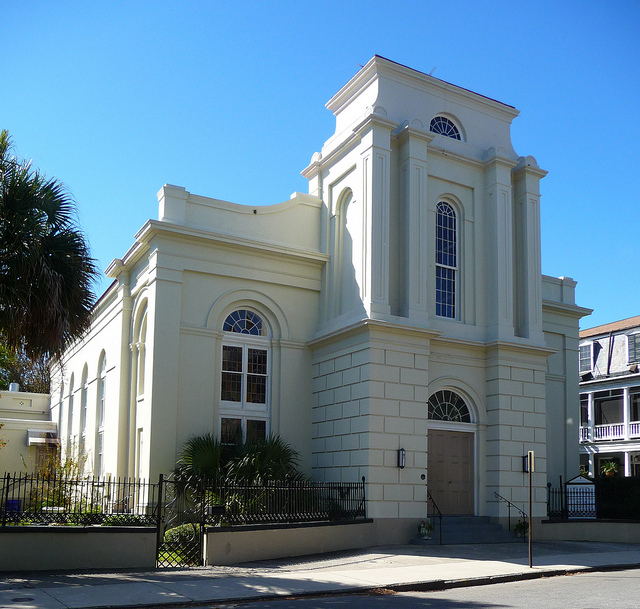
mt. zion

Mt. Zion AME, Glebe Street

A group of 52 black delegates met in Charleston’s Mt. Zion Church to formulate a position regarding their future in the post-emancipation South. Their address invoked the language of the Declaration of Independence to claim full rights of citizenship for themselves, rights that were endangered by widespread southern “Black Codes.” The Black Codes were a series of laws introduced in the months after the war by the reconstituted state legislatures of the South. These laws were enacted to restrict the movements and employment possibilities of blacks regardless of whether they had been free or enslaved before the war in essence to replace the constrictions of slavery.

Today In Charleston History: November 19

1755 – Deaths.

Andrew Rutledge died. The childless attorney left his estate – a house and plantation valued at £12,000 in trust for his brother’s oldest children, John, Thomas, Andrew and Sarah. John Rutledge  was serving a five-year apprenticeship in the Charlestown law office of James Parsons, along with another local young man, Thomas Bee.

1779 – American Revolution – Arrivals.

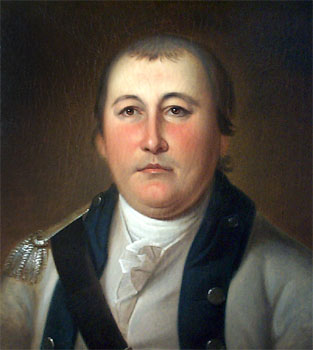
William Washington by Rembrandt Peale

Lt. Col. William Washington, second cousin to George Washington, was transferred from New Jersey to the Southern theatre of war, to join the army of Major General Benjamin Lincoln in Charlestown.

1832 – Nullification Crisis

South Carolina called for a convention. By a vote of 136 to 26, the convention overwhelmingly adopted an ordinance of nullification drawn by Chancellor William Harper. It declared that the tariffs of both 1828 and 1832 were unconstitutional and unenforceable in South Carolina. While the Nullification Crisis would be resolved in early 1833, tariff policy would continue to be a national political issue between the Democratic Party and the newly emerged Whig Party for the next twenty years.

1863 – Bombardment of Charleston.

During a special Thanksgiving service a Union shell exploded near the church door as the congregation was exiting. It was the last service held in St. Michael’s during the war.

 During their service at St. Philip’s a shell passed over the church and landed half a block away at the corner of Church and Cumberland Streets. Rev. Howe continued his sermon and finished the service before dismissing the congregation. It was the last service held at St. Philip’s during the war. Both congregations (St. Michael’s and St. Philip’s) continued to worship at St. Paul’s Episcopal (present-day Cathedral of St. Luke and St. Paul) on Coming Street, north of Calhoun Street, out of the range of the Federal guns.

For the remainder of the year 283 shells landed in Charleston. Many of the shells were filled with “Greek Fire” – an incendiary mixture of turpentine and petroleum. As the shell exploded pieces of fire were thrown great distances in the air and catch buildings on fire. 

st. mikes - wordpress

1863 – Bombardment of Charleston.  

George Trenholm purchased the abandoned Lagare’s Female Academy in Orangeburg for the removal of the children from the Charleston Orphanage House.

1929

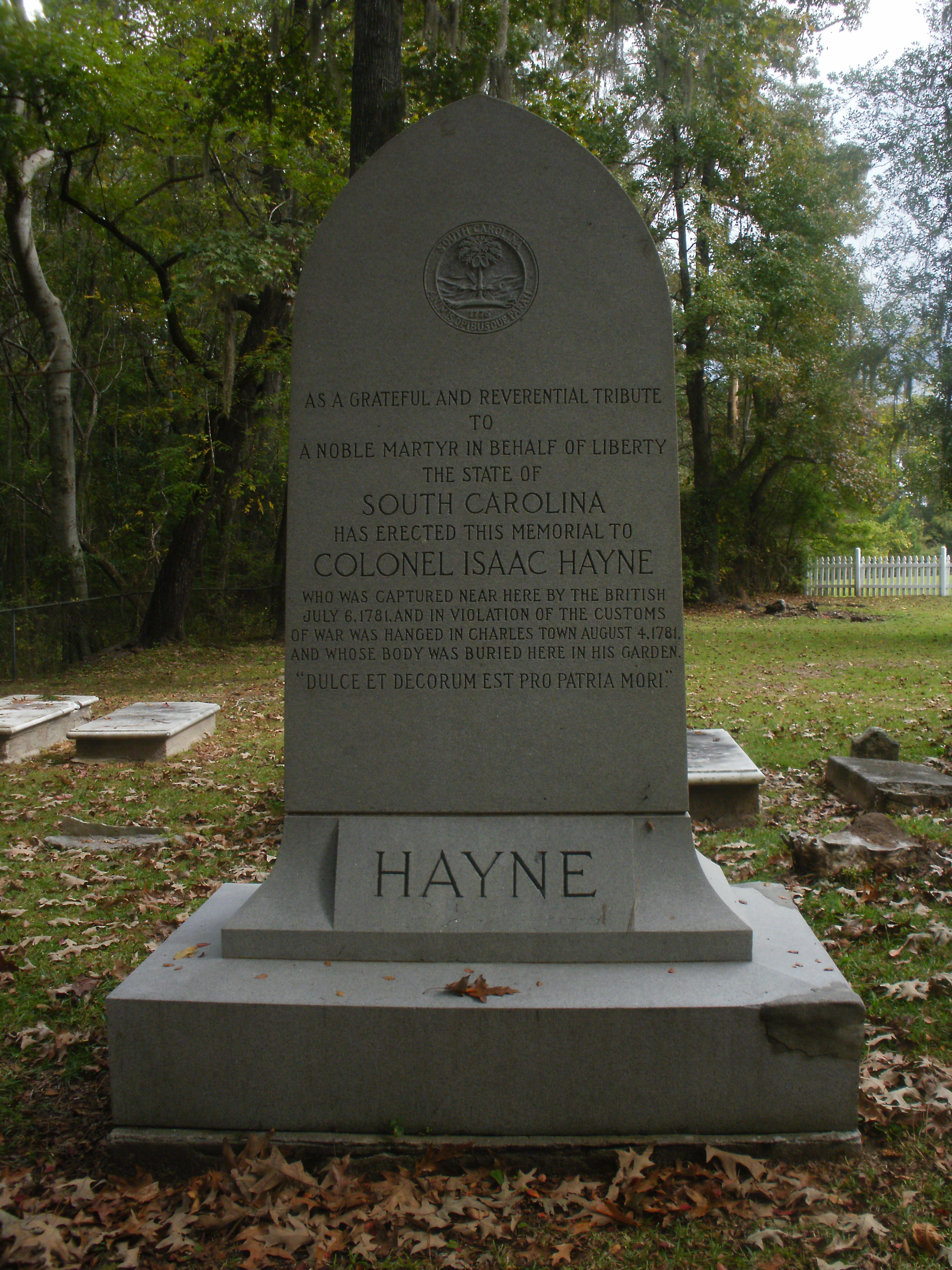
By resolution of the SC House a monument was erected for Issac Hayne at his burial site near Jacksonboro.

OLYMPUS DIGITAL CAMERA

Today In Charleston History: November 18

1720 – Piracy
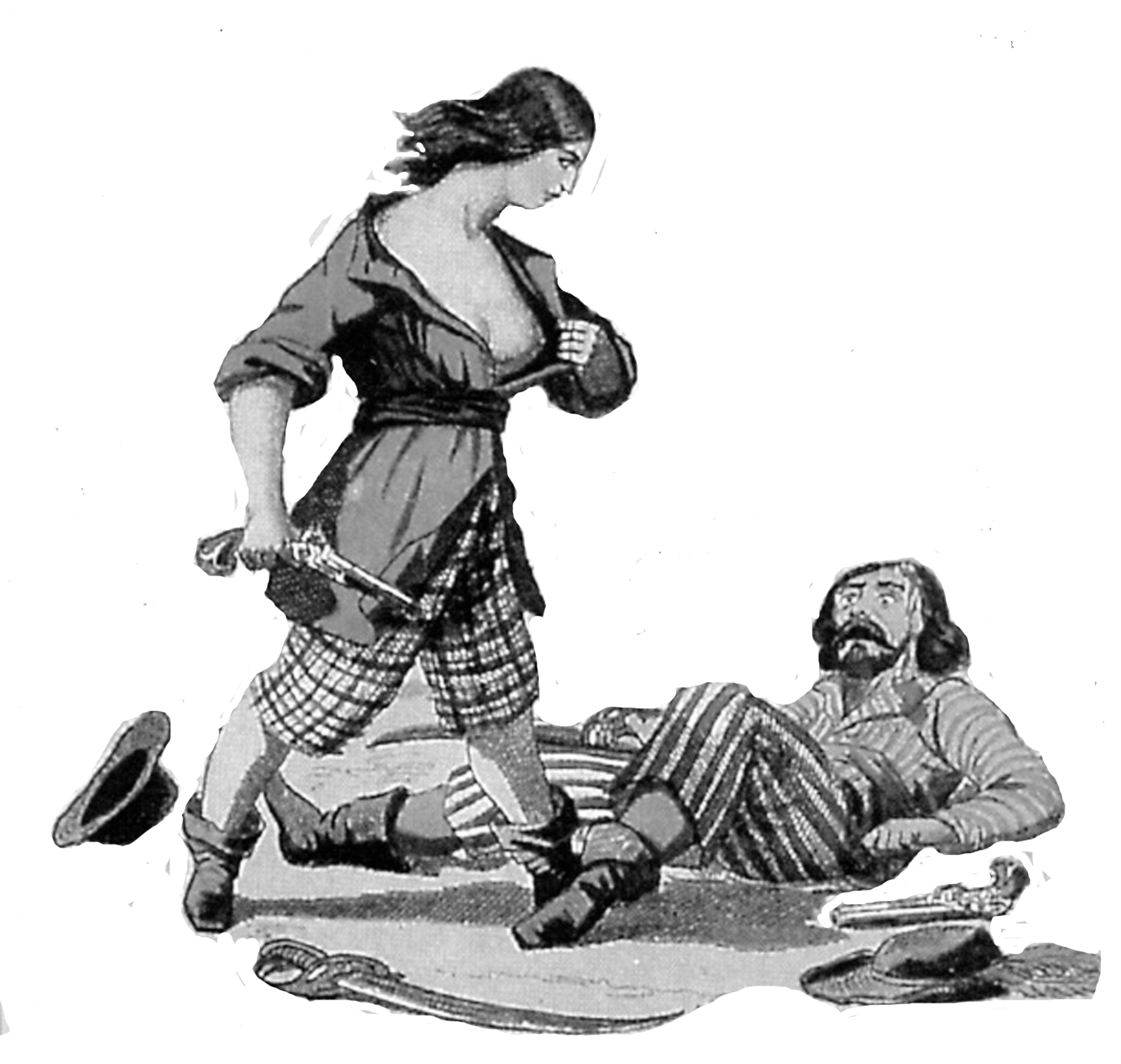
Anne-Bonny-_edited-1

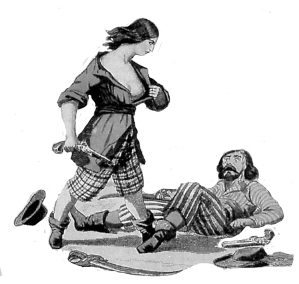
Anne Bonny reveals her gender to a surprised male pirate she was about to kill.

Jack Rackham and his male crew were hanged in Port Royal, Jamaica. The two female members of Rackham’s crew, Mary Read and Anne Bonny, were imprisoned by “pleading their bellies” – pregnancy. Read died of a fever in prison. What happened to Anne Bonny is uncertain. Like her early life, her later life is lost in shadow. Captain Johnson’s book first came out in 1724, so her trial was still fairly recent news while he was writing it, and he only says of her “She was continued in prison, to the time of her lying in, and afterwards reprieved from Time to Time, but what is become of her since, we cannot tell; only this we know, that she was not executed.”

There are many versions of her fate and no truly decisive proof in favor of any one of them, so you can pick your favorite. Some say she reconciled with her wealthy father, moved back to Charleston, remarried William Burleigh and lived a respectable life into her eighties. Others say she remarried in Port Royal or Nassau and bore her new husband several children.

1740 – Disaster. Fire.

 A fire broke out in the afternoon and consumed all the buildings from Broad and Church Streets down to Granville Bastion (current location of the Missroon House – Historic Charleston Foundation). With more than 300 buildings destroyed –homes, warehouses, stables – it was a major disaster, mainly because this area was along the commercial waterfront district. Losses were estimated at £200,000 ($20 million in 2014). 

In the Gazette Elizabeth Timothy reported that “the wind blowing pretty fresh at northwest carried the flakes of fire so far, and by that means set houses on fire at such a distance, that it was not possible to prevent the spreading of it.”

Rev. Josiah Smith responded by publishing The Burning of Sodom, arguing that the fire was God’s response to vanity and wickedness of the city, and the Anglican Church’s treatment of George Whitefield. He wrote: 

Charles-Town is fallen, is fallen. London’s plague and fire came soon after the casting out and silencing a body of ministers … Charlestown … should pay attention and repent … The Pride of Sodom flourished … Let us Enquire seriously … whether our Streets, Lanes and Houses did not burn with Lust … Heaps of Pollution conceal’d from Man … which require’d Brimstone and Fire to burn up … such abandon’d Wretches generally curse the Sun and hate the Light.

The fire bankrupted the Friendly Society for the Mutual Insurance of Houses Against Fire. William Pinckney became so impoverished, he and his wife, Ruth Brewton, were unable to care for their son Charles, who went to live with his namesake, his uncle Charles. The younger Charles began to call himself “Charles Pinckney, Junior.” 

1780 – American Revolution 

Cornwallis issued a proclamation that he was seizing all the “real and personal property” of South Carolina’s patriot leaders, including Henry Laurens and all the St. Augustine exiles.

Charles-Cornwallis-by-Daniel-Gardner

Lord General Charles Cornwallis, 1780

Today In Charleston History: November 17

1719 – Bloodless Revolution

The Land Grant office was closed by the Proprietors. New settlers were now unable to claim land, while established land owners were able to claim the best tracts, staking out 800,000 acres. The promised grants on the Yemassee lands to hundreds of settlers were ordered to be surveyed into 12,000 acre tracts for the Proprietors’ use.

The leading citizens gathered in Charles Towns to repair the fortifications of Charles Town, and formed an association to the following effect:

That the Proprietors having pretended to repeal laws contrary to the charter and offered other hardships to the inhabitants of this country, they do resolve to choose an Assembly pursuant to the writs issued out and to support their representatives with their lives, and fortunes, and to stand by such resolutions as they shall take at the next Assembly.

Half Moon Battery - Charles Town fortifications

Half Moon Battery – Charles Town fortifications

Today in Charleston History: November 16

1699

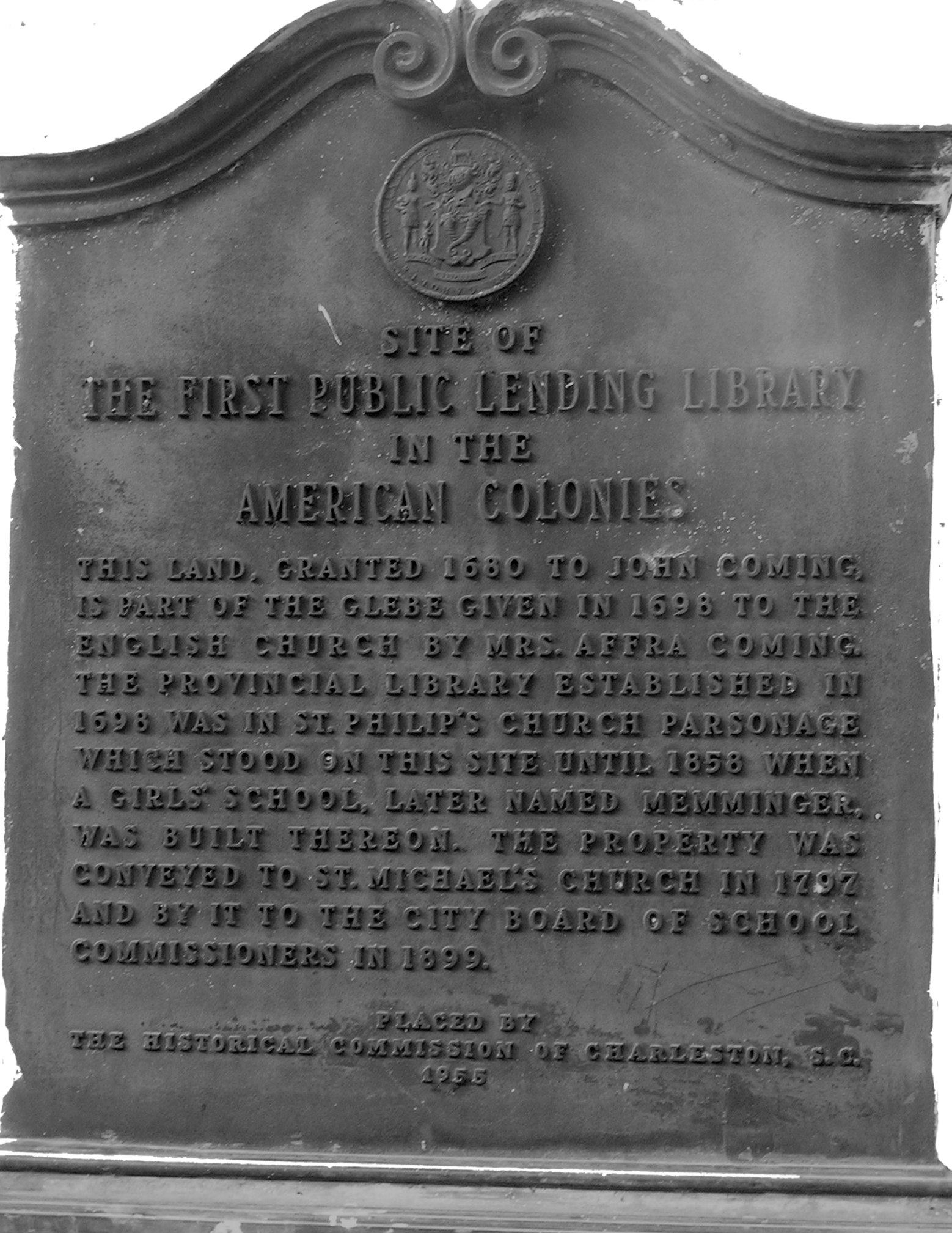
A law passed by the Assembly established a tax-supported free provincial library on St. Philip’s Street. It operated for 14 years, possibly the first Public library in the American colonies. library marker copy

1863 -Bombardment of Charleston

Union guns fired fifteen shells into Charleston overnight.

broad street shelling

Broad Street shelling.


Today In Charleston History: November 15

1670

Sir John Yeamans wrote to Lord Anthony Ashley Cooper from Barbados: “Sending 12 cedar planks as the first fruits of that glorious province (Carolina).”

Yeamans was well-known to the Carolina Lords Proprietors due to his success as a business man and landowner in Barbados. Yeamans looked down upon his new fellow English colonists as unexperienced. He was determined to use the Carolina venture as a means of elevating his statue and wealth in the New World.

yeamans, sir john

Sir John Yeamans


Today In Charleston History: November 14

1851

Report of the Board of Fire Masters from the Charleston Courier, pg 4:  

There are thirty one (31) large Fire Wells, which are designated by a white post [illegible] feet out of ground, with red ball on the top, lettered Fire Well, and the nearest Gas Lamp to each well has a red star painted on the upper glass. Located [on street corners] as follows: Beaufain and Archdale, Liberty and St. Philip, Clifford and King, Queen and Friend, King and Tradd, [etc.]

1860 – Fire

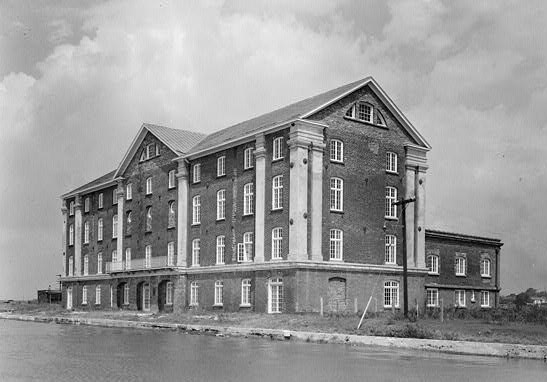
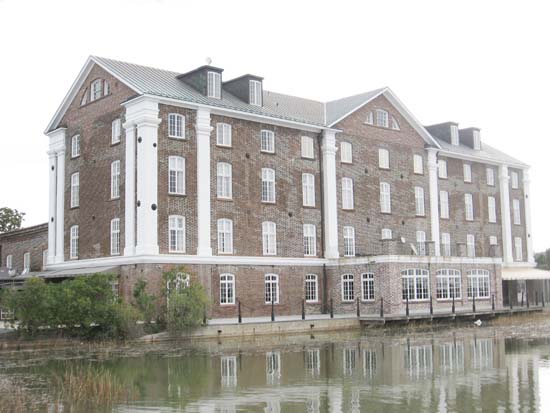
Sparks from the rice polishing machine ignited a fire at the West Point Rice Mill. “Brilliantly illuminating” the west side of Charleston, flames destroyed the mill machinery, ancillary buildings, and 23,306 bushels of rice. The company was insured, and immediately began rebuilding new mill. Although hampered by the Union blockade, the mill was capable of full operation in late 1863. When Charleston was occupied by the Union Army in 1865, the mill was used as a food distribution center.

After the Civil War, the mill resumed operations and its production increased. In 1886, it suffered damage from the 1886 Charleston earthquake. Brickwork was damaged and the gables were brought down. At some point before the 1920s, the entire roof was replaced except for the kingposts and trusses.

West_Point_Rice_Mill,_Ashley_River,

In 1890, three Charleston mills produced over 97,000 barrels of rice. Competition from western rice growers and a number of hurricanes caused rice production in South Carolina to fall. West Point Mill was closed in 1920, and the company began to sell its assets. Around 1925, the mill’s steam engine was sold to the Henry Ford Museum. The mill’s property was sold to the City of Charleston in 1926.

In the late 1930’s, the old mill ponds were dredged for a municipal yacht basin. Through the years the building has been used for Chamber of Commerce headquarters, a restaurant and city marina offices. It was listed on the National Register in 1995. 

west point


Today In Charleston History: November 13

1773. American Revolution – Foundations.

Peter Timothy announced in the South Carolina Gazette that “300 chests of tea were on their way to Charles Town.” He urged the citizens to “band together to take the necessary steps to prevent the landing” of the cargo.

Earlier in the year, Parliament had passed the Tea Act, which allowed the East India Company to export tax-free tea into the American colonies in an effort to help the company recover from near bankruptcy. It was also an attempt to undercut the price of illegal tea smuggled into the North American colonies. The Act was supposed to convince the colonists to purchase Company tea on which the Townshend duties were paid, thus implicitly agreeing to accept Parliament’s right of taxation. Most of the American colonies disagreed.


gazette masthead


Today In Charleston History: November 12

1718 – Piracy
Bonnet

Stede Bonnet

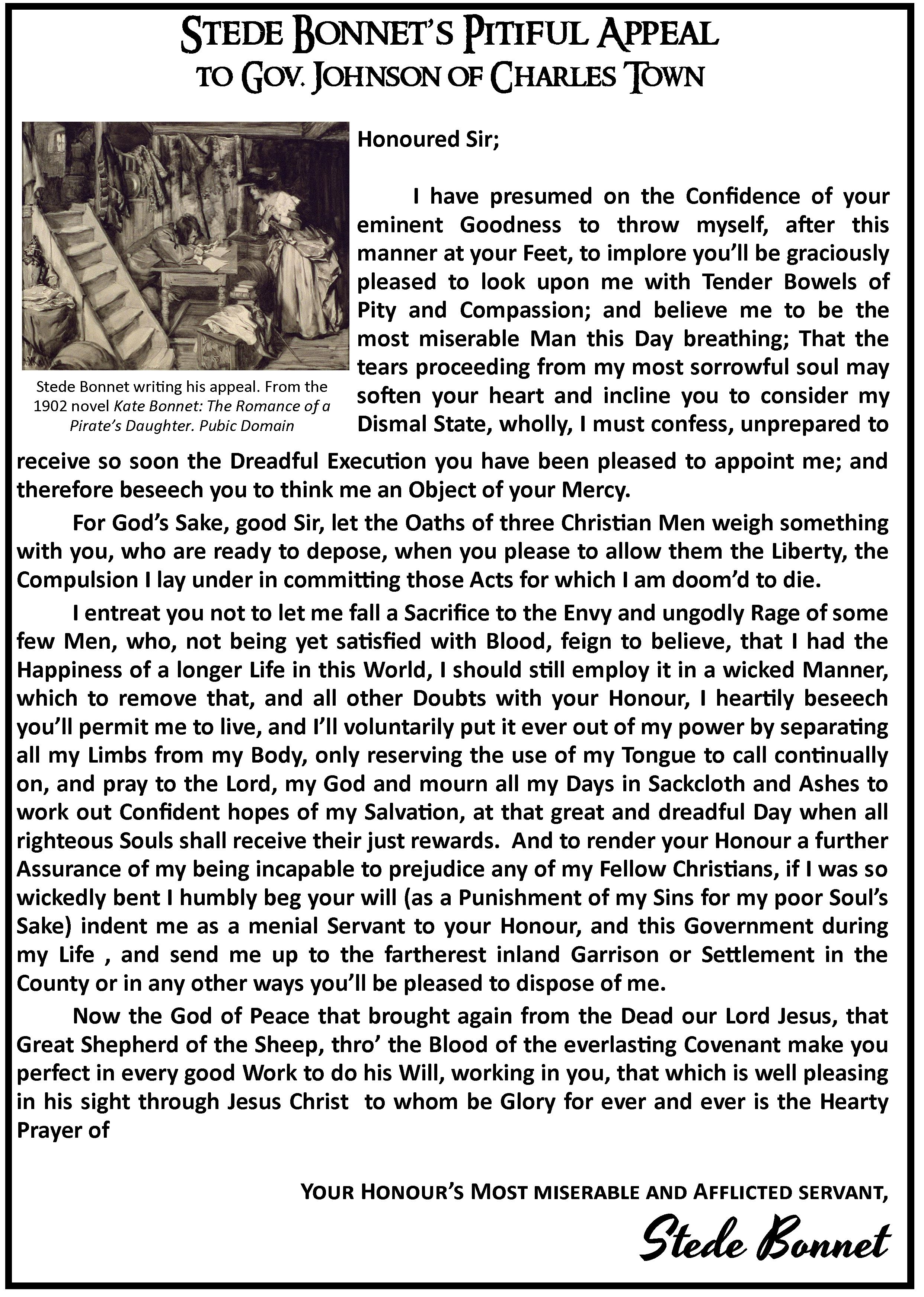
Judge Nicholas Trott sentenced Bonnet to death. Trott’s long harangue during sentencing – quoting scripture and lecturing Bonnet on morality – probably felt like a death sentence to the pirate. Trott stated that Bonnet faced “not just physical death, but everlasting burning … in fire and brimstone.”

Bonnet was allowed an appeal, which he wrote to Governor Johnson.

Also, late that day, twenty-four pirates, Richard Worley’s crew, were put on trial. Five of the crew were acquitted, probably because they agreed to testify for the Crown. The other nineteen were found guilty, sentenced to death and hanged. 

stede bonnet - letter


Today In Charleston History: November 11

  1775 – American Revolution

hog islandSouth Carolina’s first Revolutionary War naval skirmish took place. William Henry Drayton., president of the Second Provisional Congress of South Carolina,  was on board the newly-commissioned South Carolina schooner Defence, supervising the sinking of the hulks in the Hog Island channel. Captain Edward Thornbrough ordered six shots fired from the HMS Tamar and HMS Cherokee. Drayton replied with his nine-pounders. Over the next several hours the British fired 130 ineffective shots, which rallied public opinion to the side of the Revolutionaries. Lord William Campbell was aboard the Cherokee during the battle.

1815

Charles Pinckney, deeply in debt, signed an agreement with his creditors for a group of trustees to sell his property, which included:

  • 500 acres on the Black and Pee Dee Rivers near Georgetown
  • 1200 acres on the Lynches River
  • 815 acres at Snee Farm
  • Shell Hall, his house at Haddrell’s Point
  • His mansion on Meeting Street
  • Two tracts of land from his father-in-law, Henry Laurens – one in Savannah and one called Mount Tacitus on the Santee River which included a lumber mill and Pinckney’s Ferry
  • 240 slaves