
1830
 The first regularly scheduled passenger train in America pulled away from the Line Street station, Charleston, South Carolina at 8:00 a.m. Nicholas W. Darrell operated the locomotive as engineer for the 10-mile round trip from Charleston to San Souci and back. The trip was described a writer, Jockey of York.
Away we flew on the wings of the wind at the speed of 15 to 25 miles per hour, annihilating time and space … leaving all the world behind. It was nine minutes, five and one fourth seconds since we started and we have discovered ourselves beyond the forks of the State and Dorchester Roads … We came to San Souci in quick time. Here we stopped to take up a recruiting party, darted forth like a live rocket, scattering sparks and flames on either side, passed over three saltwater creeks, hop, step and jump and landed us all at the Lines before any of us had time to determine whether or not it was prudent to be scared.
More than 140 passengers took the first trip, riding in two cars. During the first day, the Best Friend carried more than 500 people. Truly, it was one of the most wondrous Christmases in Charleston history.

Best Friend of Charleston
1908
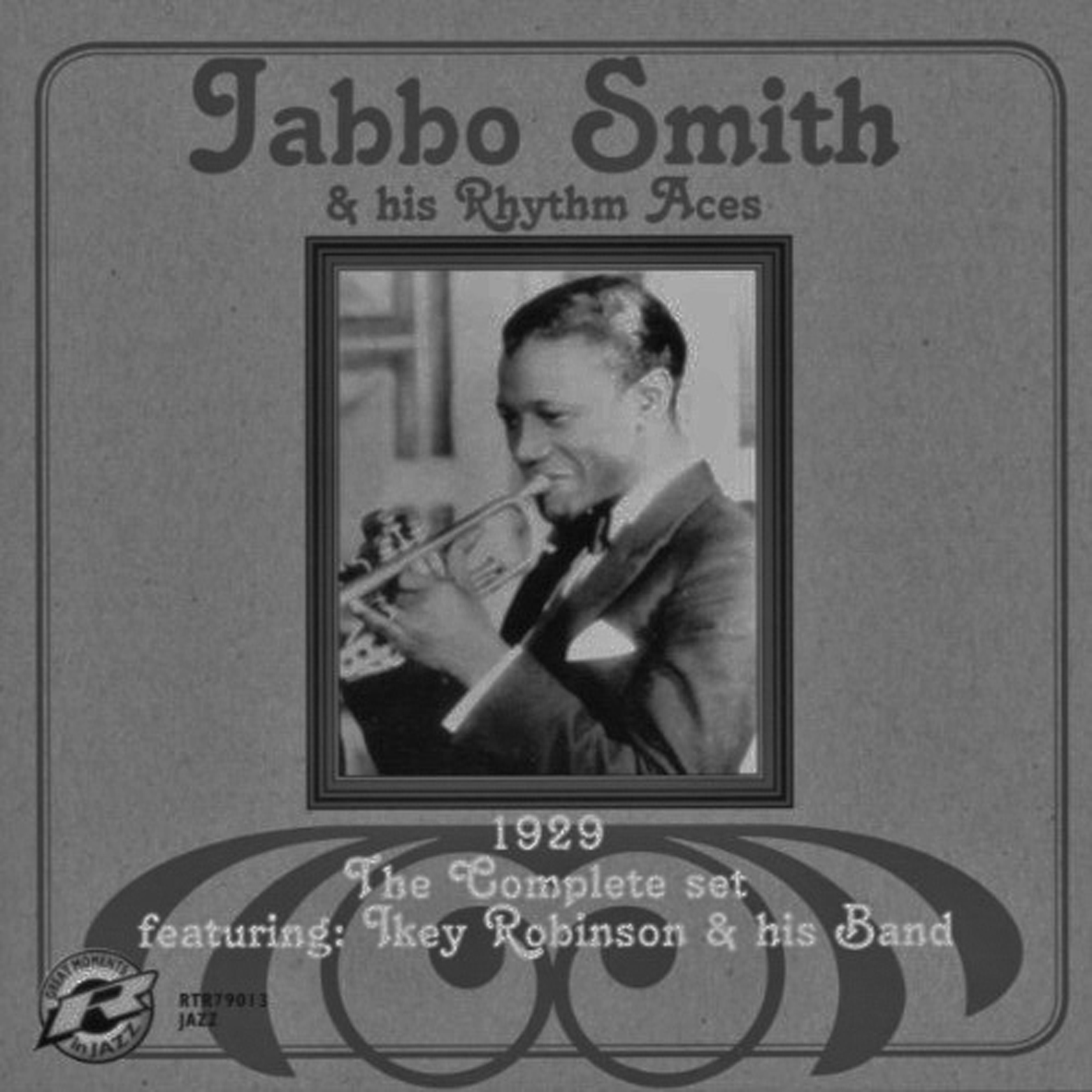 Jabbo Smith was born in Pembroke, Georgia. He grew up at the Jenkins Orphanage in Charleston and became one of the major figures in the Jenkins Band. By age 17 he was playing with the Paradise Orchestra at Smalls Paradise and being called “the hottest trumpet player in New York.” Due to excessive living, his career burned out by the time he was thirty, but to this day, his 1920 / 30s recordings are considered ground-breaking jazz music.


 MarkJonesBooks