1761-Religion
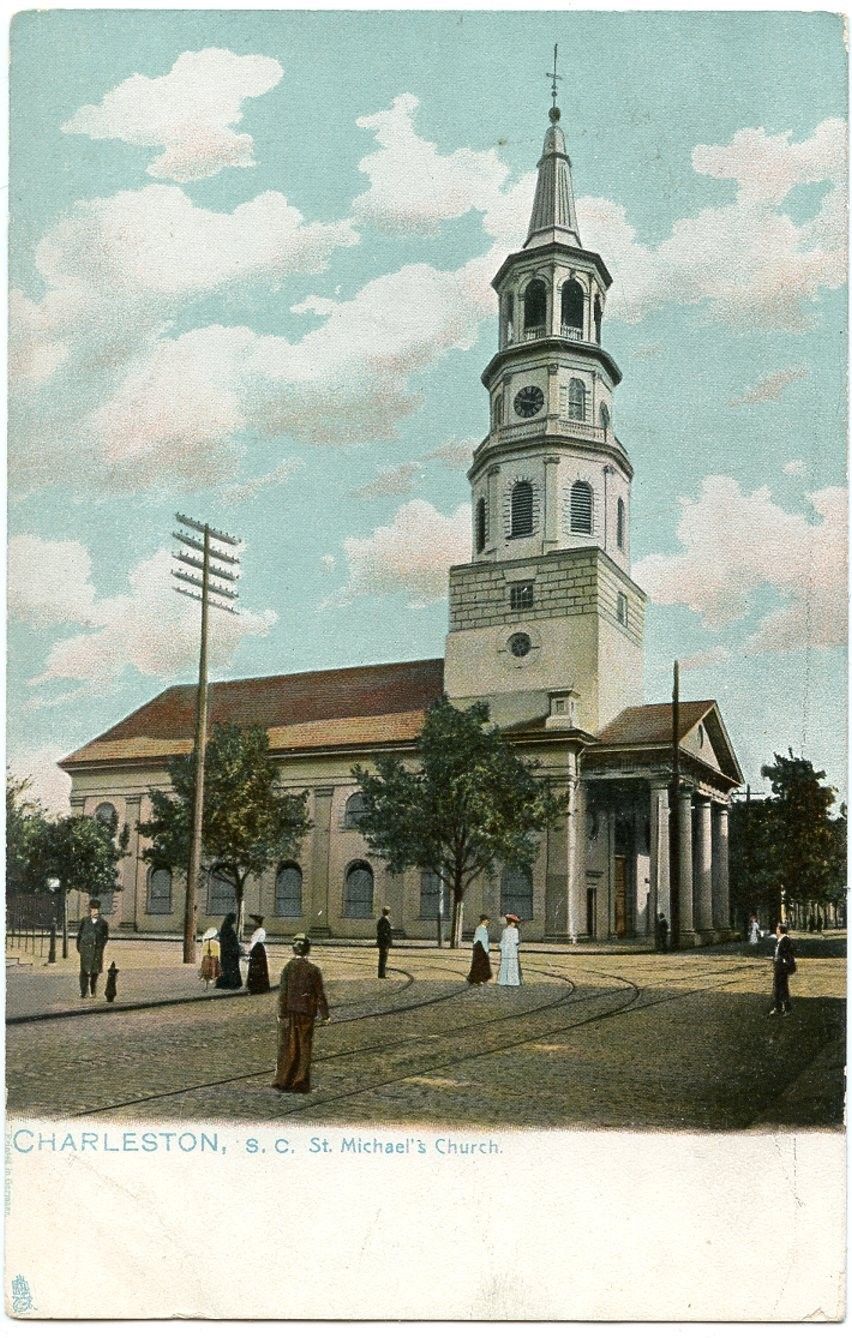
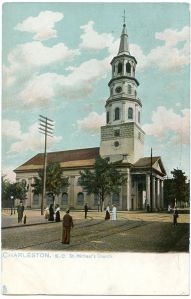 First services are held at St. Michael’s Church, by Rev. Robert Cooper. It is the oldest surviving church building in Charleston, celebrating its 245th anniversary today.
1836-Births
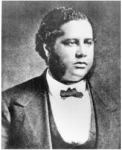
Francis Lewis Cardozo
Francis Lewis Cardozo born in Charleston. Highly educated in Scotland and England, he became a Presbyterian minister, politician, and educator. He was the first black to hold a statewide office in the United States. He was elected state treasurer in 1872. After he did not cooperate with corruption, some legislators unsuccessfully tried to impeach Cardozo in 1874. He was reelected in 1874 and 1876.
1870 – Charleston Firsts
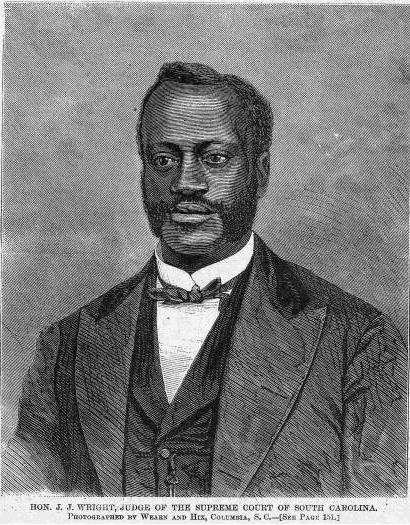
Jonathon Jasper Wright became the first black justice elected to a state Supreme Court.

Jonathon Jasper Wright
Jonathon Jasper Wright was born in Pennsylvania in 1840. He attended the district school during the winter months, and worked for neighboring farmers the rest of the year. He saved up enough money to attend Lancasterian University in Ithaca, New York.
He graduated in 1860 and for the next five years he taught school and read law in Pennsylvania. In October 1864 Wright was a delegate to the National Convention of Colored Men in Syracuse, NY. Chaired by Frederick Douglas, the convention called for a nationwide ban on slavery, racial equality under the law and suffrage for all males.
Wright then applied for admission to the Pennsylvania Bar but was refused due to his race. After the War Wright joined the American Missionary Association and was sent to Beaufort, South Carolina to organize schools for freed people.
When the Civil Rights Act was passed, Wright returned to Pennsylvania and demanded an examination for the Bar. He was admitted on August 13, 1865, and became the first black lawyer in Pennsylvania. By January 1867 he was back in South Carolina as head of the Freedman’s Bureau in Beaufort where he became active in Republican politics. He was chosen as a delegate to the historic South Carolina Constitutional Convention that met in Charleston in 1868. As one of the trained black lawyers in South Carolina, Wright had a great deal of influence in writing the Constitution and setting up the judiciary.
In a somewhat back-handed compliment, the Charleston Daily News called Wright a “very intelligent, well-spoken colored lawyer.”
There were 124 delegates to the convention, seventy-three of which were black. The new Constitution bestowed voting rights and educational opportunities “without regard to race or color.” It also included universal male suffrage, the omission of all property qualifications for office, outlawed dueling and legalized divorce.
Later that year, in the first election under the new Constitution, Wright was elected to the South Carolina Senate – one of ten black senators elected. In the South Carolina House seventy-eight of the 124 representatives were black. However, many whites had no intention of “obeying a Negro constitution of a Negro government establishing Negro equality.” The white-dominated press called it the “Africanization of South Carolina” and most whites never accepted the 1868 Constitution as legitimate. They were determined to undermine all the gains made by blacks with the support of the Yankee carpetbaggers.
Shortly after the election, Solomon Hogue resigned from the South Carolina Supreme Court to take up a seat in Congress. That left a vacant seat on the high court for the rest of his judicial term, ten months. The black Republican-dominated legislature was determined to elect a black man to the open seat to join the two white men – Chief Justice Franklin J. Moses, a scalawag (a Southerner who supported the Federal government), and Associate Justice A.J. Willard, a carpetbagger (a Yankee involved in Southern politics.)
In fact, Moses was a former governor who was notoriously corrupt, picking up the nickname “king of the scalawags: and “the Robber Governor.”
The three candidates for the open seat were Wright, J.W. Whipper, a black representative, and one white candidate, former governor James Orr. The final vote on February 1, 1870 in the legislature was:
- Wright, 72
- Whipper, 57
- Orr, 3
Ten months later, Wright was elected to a full term (six years) on the court. He was thirty years old.
1906-Births
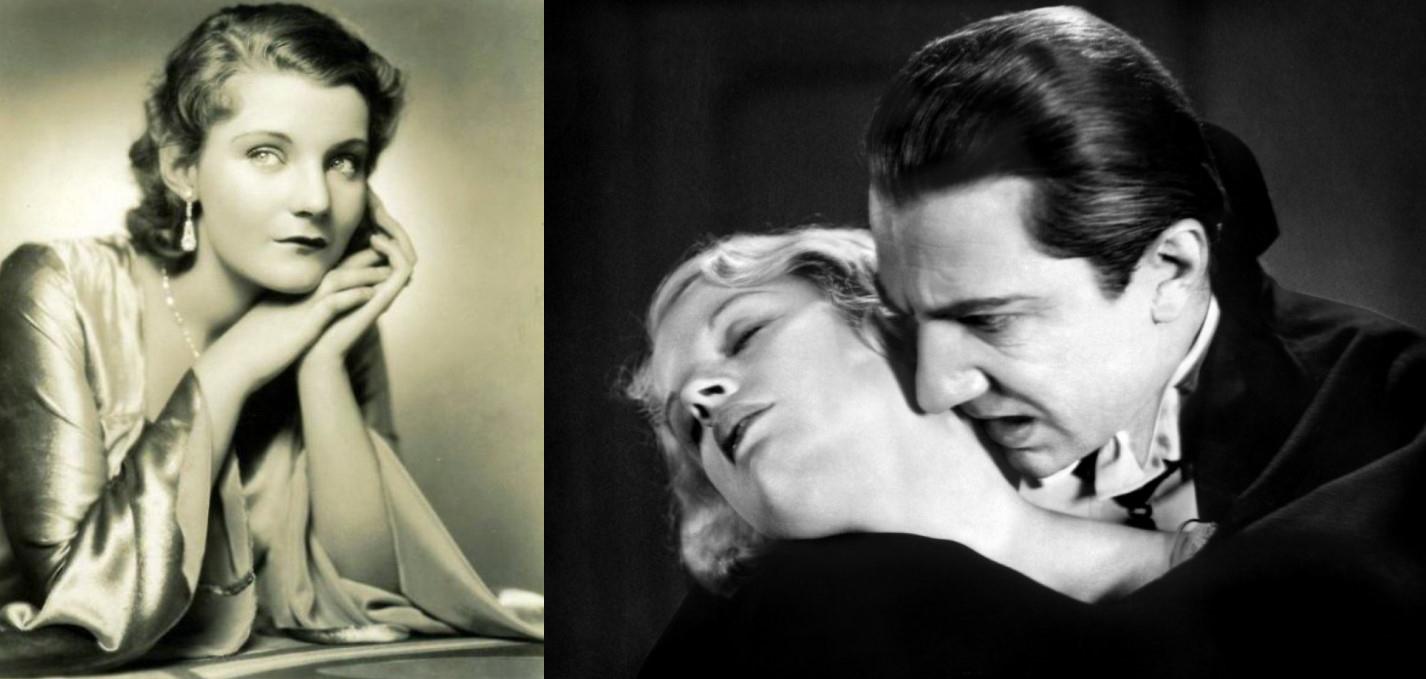
Helen Chandler was born in Charleston. By the late 1920s she had become a hugely popular actress on the New York stage. She was in 1920 production of Richard III, which starred John Barrymore, Macbeth in 1921 with Lionel Barrymore. By the time of her first film she had been in over twenty Broadway productions. Hollywood beckoned, but whatever quality made Chandler a success on the stage did not survive the transition to film.
Chandler is probably best remembered by movie fans as the fragile Mina, pursued and nearly vampirized by Bela Lugosi in the original Dracula (1931). In 1937 Chandler left Hollywood and returned to the stage, but a dependency on alcohol and sleeping pills haunted her subsequent career, and in 1940 she was committed to a sanitarium. Ten years later she was disfigured in a fire, caused by smoking in bed. Chandler died following surgery for a bleeding ulcer on April 30, 1965. Her body was cremated, and as no relative ever came forward to claim the remains, her ashes now repose in the vault of the Chapel of the Pines Crematory in Los Angeles.
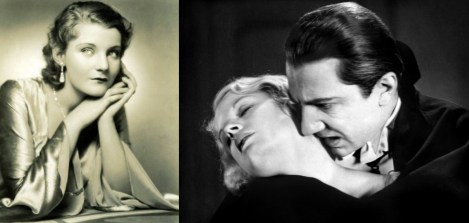
Left: Helen Chandler in Hollywood. Right: Chandler being ravished by Bela Lugosi in Dracula, 1931



 MarkJonesBooks