Today In Charleston History: January 17

1711

The town of Beaufort was chartered on the Port Royal Sound, making it the second oldest town in South Carolina. It was named after Henry Somerset, the 2nd Duke of Beaufort and a Lord Proprietor from 1700-14. The Beaufort settlement made the Yemassee Indians unhappy, as it usurped a large part of their territory.  It was one of the factors that led to the Yemassee War, 1715-17.

1781 – British Occupation

The Knights Terrible Society was organized at Mr. Holliday’s Tavern, for the purpose of drinking once a week during the British occupation. They disbanded after the British evacuated the city.

1782 – American Revolution

Gov. John Rutledge and the South Carolina House convened in Jacksonboro, thirty miles from Charleston, near the site of the Stono Slave Rebellion on the Edisto River. Only persons loyal to South Carolina were allowed to vote. Christopher Gadsden was elected governor, but declined due to his health, which had suffered during his imprisonment in St. Augustine. John Mathews was chosen as governor, “a younger and more even-tempered individual.” 

Laws were quickly passed for raising Continental troops and for punishing “conspicuous Tories.” Called the “Act for Disposing of Certain Estates and Banishing Certain Persons” it banished Loyalists and provided for the confiscation and sale of their estates. The list of confiscation contained more than 700 individuals.

gadsden and rutledge

Today In Charleston History: December 5

1769 – Population.  

Lt. Gov. William Bull reported that there were 45,000 white inhabitants and 80,000 Negroes in South Carolina. Charlestown contained 5.030 whites and 5,831 Negroes. During the year 5,438 slaves were imported and sold for £200,000 sterling. Bull also reported:

We have thirty lawyers … several earned from £1000 to £1200 sterling annually. Literature is but in its infancy here. We have not one good grammar school … our gentlemen, who have anything of a learned education, have acquired it in England, and it is to be lamented they are not more numerous.

Exports were listed to value £402,000 sterling and included:

  • Hemp: 526,131 pounds
  • Rice: 123,317 barrels
  • Pork: 2170 barrels
  • Pitch & tar: 7752 barrels
  • Lumber: 678,350 feet
  • Shingles: 1,987,000
  • Bricks: 42,800
  • Indigo: 309,570
  • Tobacco: 214,210
  • Deerskins: 183,221
1775

The commander-in-chief of the Navy, Commodore Esek Hopkins, received a yellow rattlesnake flag from Christopher Gadsden to serve as the distinctive personal standard of his flagship. It was displayed at the mainmast. Gadsden, representing South Carolina in the Continental Congress, was one of seven members of the Marine Committee who were outfitting the first naval mission.
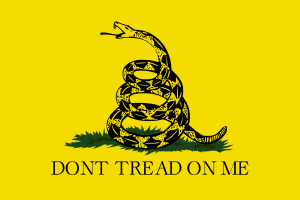
900px-Gadsden_flag.svg

The Gadsden Flag

The first American naval ships were used to intercept incoming British ships carrying war supplies to the British troops in the colonies. One ship captured had 30,000 pairs of shoes on it, but the admiralty agent demanded his 2 1/2 per cent commission before he would release the cargo for Washington’s army, so many soldiers marched barefoot in the snow. The Second Continental Congress authorized the mustering of five companies of Marines to accompany the Navy on their first mission. The first Marines enlisted in the city of Philadelphia, and they carried drums painted yellow, depicting a coiled rattlesnake with thirteen rattles, and the motto “Don’t Tread on Me.” This is the first recorded mention of the future Gadsden flag’s symbolism.

The timber rattlesnake and eastern diamondback rattlesnake both populate the geographical areas of the original thirteen colonies. Their use as a symbol of the American colonies can be traced back to the publications of Benjamin Franklin. In 1751, he made the first reference to the rattlesnake in a satirical commentary published in his Pennsylvania Gazette. It had been the policy of Britain to send convicted criminals to America, so Franklin suggested that they thank the British by sending rattlesnakes to England.

On Feb. 9, 1776, Gadsden presented a copy of this flag to the Congress of South Carolina in Charleston, South Carolina, as recorded in the South Carolina Congressional Journal:

Col. Gadsden presented to the Congress an elegant standard, such as is to be used by the commander in chief of the American Navy; being a yellow field, with a lively representation of a rattlesnake in the middle in the attitude of going to strike and these words underneath, “Don’t tread on me.

1829

Plans to build a fort in Charleston harbor were adopted by Congress. The fort was to be named “Sumter” in honor of South Carolina’s hero of the American Revolution, Thomas Sumter, who was still living at that time.

Today In Charleston History: October 7

1765 – Stamp Act

The Stamp Act Congress convened in New York City. South Carolina was the only southern colony to send representatives:

  • Christopher Gadsden  a wealthy Charleston merchant and plantation owner. He was an important figure in South Carolina’s Sons of Liberty and later served in the Continental Army
  • Thomas Lynch  – a major South Carolina plantation owner and a friend of co-delegate Christopher Gadsden, he later actively supported independence.
  • John Rutledge – at 26, Rutledge was the youngest delegate in attendance. He was the provincial attorney general at the time and later served in a variety of pro-independence roles in South Carolina. He was briefly appointed Chief Justice of the United States by George Washington in 1795.

For the first time, the South Carolina men learned of the violent August protests in Boston in which the stamp officer, Andrew Oliver, was hanged in effigy and Sheriff Greenleaf and Lt. Gov. Hutchinson were stoned when they tried to intervene. 

gadsden and rutledge

Today In Charleston History: October 1

1768 – American Revolution – Foundations.

The mechanics in Charles Town nominated candidates for election who opposed the Quartering Act, Stamp Act and Sugar Act. Led by Christopher Gadsden they met at the Liberty Tree “where many loyal, patriotic, and constitutional toasts were drank.” In honor of John Wilkes’ North Briton No. 45 the Liberty Tree was decorated with forty-five lights and forty-five rockets were fired. The company marched to Dillon’s Tavern where there were:

45 lights … upon the table, with 45 bowls of punch, 45 bottles of wine, and 92 glasses.  They spent a few hours in a new round of toasts.

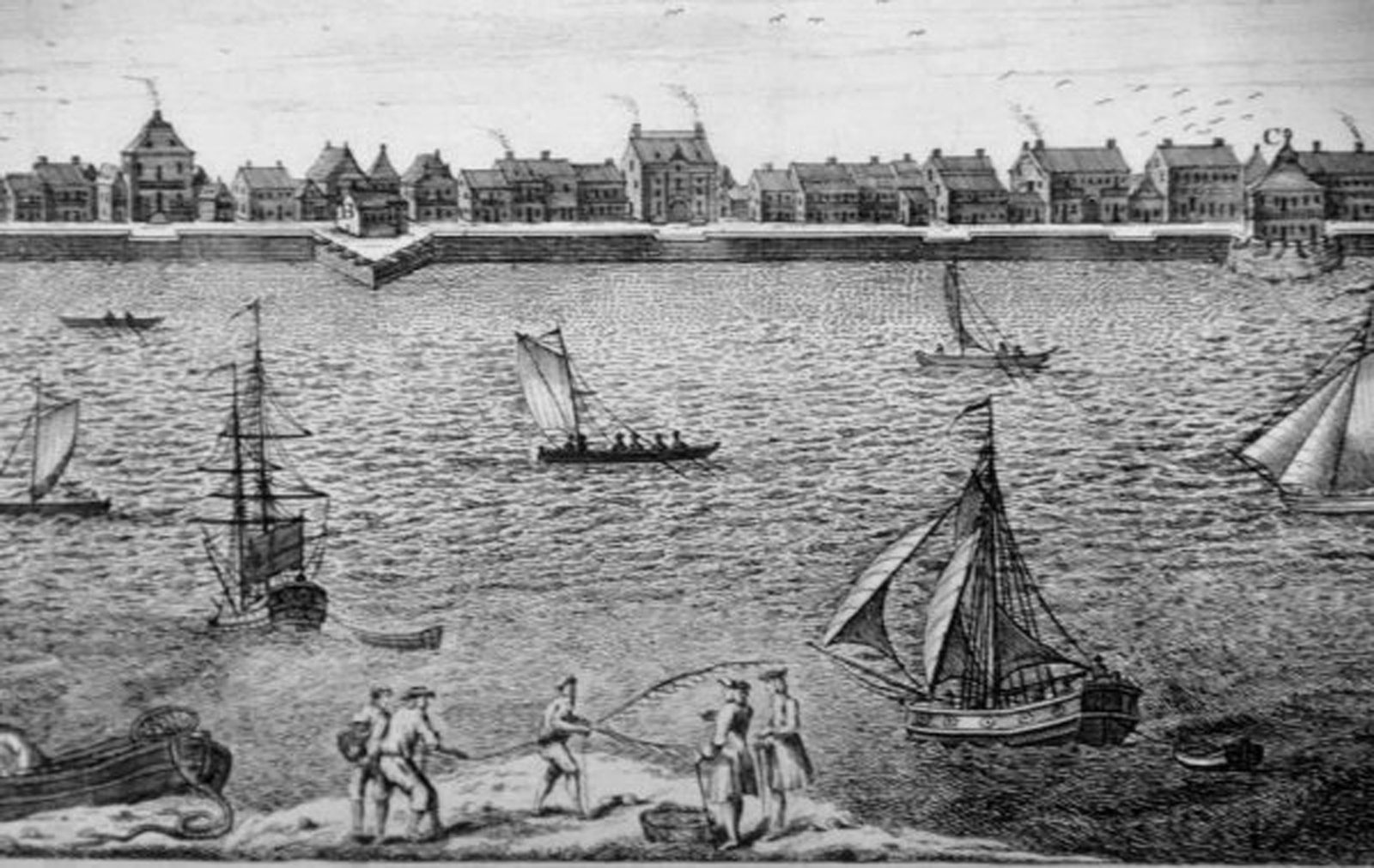
map 1762, bishop

Charles Town, circa 1762

1785   

 The South Carolina Legislature voted 51-47 against West Indian slave trade ban. Charles Cotesworth Pinckney argued that South Carolina was not suited for supporting small white farmers because the land “was not capable of being cultivated by white men” – a reference to the unhealthy swamp lands of the low country. 

Alexander Gillon, Edward Rutledge and David Ramsay voted for the trade ban. Ramsay stated “that every man [who] went to church last Sunday, and said his prayers, was bound by a spiritual obligation to refuse the importation of slaves.”

Today In Charleston History: September 14

1769 – American Revolution – Foundations

The Gazette reported that, excluding Royal officials, only thirty-one inhabitants of had refused to sign the pledge and join the “Association.” The names of the thirty-one were published in the paper and they quickly discovered themselves unable to sell merchandise.

The “Association” was a group of Charles Town men who pledged to support non-importation of any products of Great Britain, and denounced anyone who did not sign within a month. Many of the aristocratic leaders were upset by the surge of the mechanics (carpenters, etc …) in politics, usurped by men they considered their inferior.

william henry draytonWilliam Henry Drayton condescendingly wrote in the Gazette:

No man who could boast of having received a liberal education would consult on public affairs with men who never were in any way to study, or to advise upon any points, but rules how to cut up a beast in the market … cobble on old shoe … or to build a necessary house.

Christopher Gadsden pointed out that Drayton was exempted from labor to make a living due to his “marriage to a rich heiress rather than from any merit of his own.”

The rally cry of the “Association” became “Sign or die!” Over the next several weeks Drayton and Gadsden published dueling letters in the Gazette, with the attacks becoming more personal rather than an exchange of ideas.

Today In Charleston History: August 28

1671 – Legal.

First recorded case of litigation in the Carolina colony was heard by Governor West and the Grand Council – an argument over timber rights of an area – John Norton and Originall Jackson against Mr. Maurice Mathews, Mr. Thomas Gray and Mr. William Owen.

1706 – Queen Anne’s War

The French raised a flag of truce, and Gov. Johnson sent a galley out to make inquiries. A French officer was brought to shore and kept at Granville Bastion before being escorted to the governor. As he was slow marched through the street, the Frenchman was greeted by militia stationed between buildings and on the side streets. It seemed Charles Town had more than four times the soldiers than they thought. He did not realize that he was actually seeing the same group of militia who were running from one street to the other, staying just ahead of the slow-marching prisoner.

Upon being received by Gov. Johnson the French officer demanded the city surrender within the hour. Johnson responded he “would not need a minute to reply in the negative.”


1805 – Deaths

gadsdenChristopher Gadsden died in Charleston at the age of eighty-one. He had been suffering dizzy spells and one morning on his walk, he slipped and hit head while crossing a ditch. Governor Paul Hamilton ordered a thirty day mourning period. The day of Gadsden’s funeral, a salute was fired from Fort Johnson every ten minutes from dawn until his interment at 1:00 p.m. He was buried at St. Philip’s Church in an unmarked grave, following the instructions left in his will.

Today In Charleston History: August 27

1706 – Queen Anne’s War.

The six French ships (a frigate, four sloops and one galley) from Martinique, led by Captain De Feboure, crossed the Charles Town bar with more than 700 Spanish soldiers on board. They anchored off Sullivan’s Island, awaiting winds in which to sail into the harbor.

1780 – British Occupation.

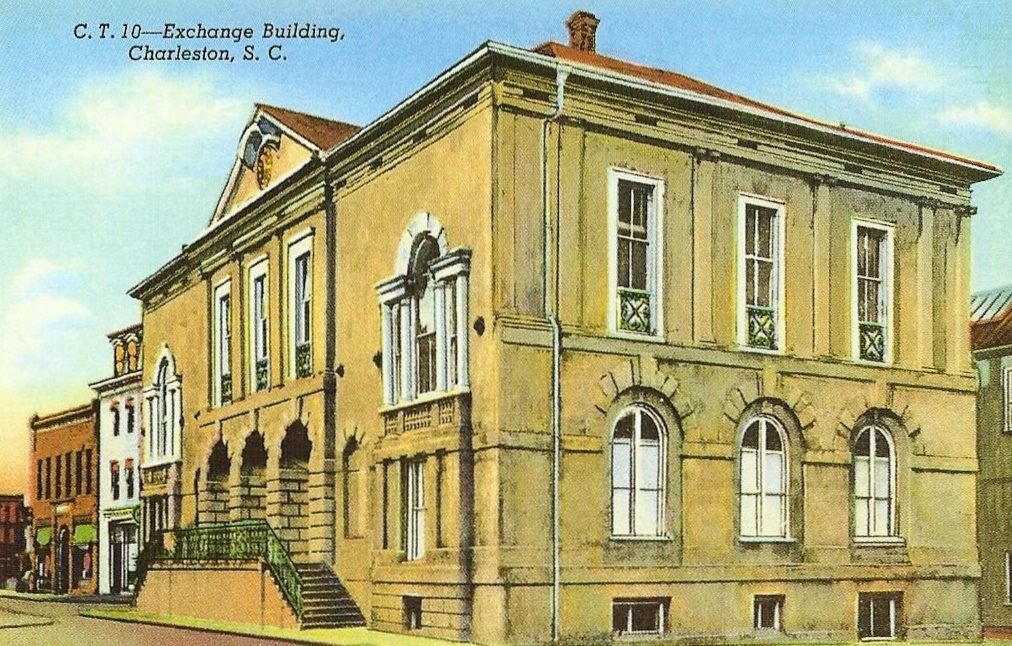
old exchange bildgThirty-three people were arrested in Charlestown and charged with encouraging residents to resist British authority. The prisoners, some of whom had been placed under house arrest, were dragged from their beds by British soldiers, and jailed in the Provost Dungeon of the Exchange Building. The arrested men included:

  • Christopher Gadsden
  • Alexander Moultrie
  • Richard Hutson
  • Dr. John S. Budd
  • William Massey
  • John Neufville
  • Joseph Parker
  • Thomas Savage
  • Dr. Peter Fayssoux
  • Dr. David Ramsay
  • Dr. John E. Poyas
  • Tom Singleton
  • Thomas Ferguson
  • Edward Rutledge
  • Hugh Rutledge
  • Thomas Heyward, Jr.
  • Arthur Middleton
  • Thomas Grimball
  • William Johnson
  • Peter Timothy

Within a few days the prisoners were transferred to the ship Sandwich in Charlestown harbor. Edward Rutledge learned of his two-year old son’s death while on board. Being unable to attend the funeral and comfort his wife increased his bitterness toward Britain. Militiamen like Charles Pinckney were paroled to their homes.

1782 – American Revolution.
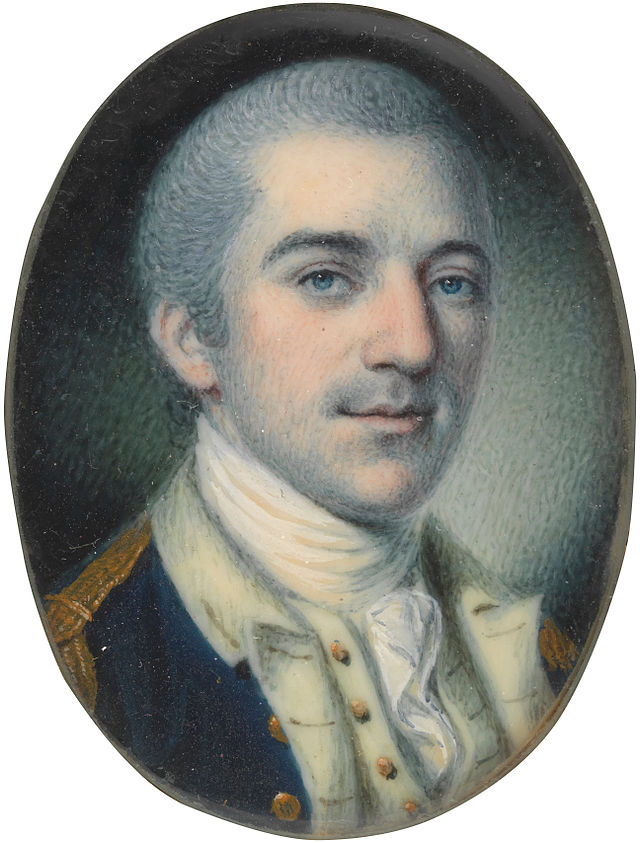
_John_Laurens_-_Google_Art_Project

John Laurens

Col. John Laurens was killed at Tar Bluff on the Combahee River, about forty miles south west of Charleston, in a completely useless skirmish. The British were trying to loot supplies of rice before leaving, and Laurens’ company of fifty men were determined to stop them. John Laurens was the first Patriot killed.

Martha Laurens, living in Vigan, France, did not learn about her brother’s death until three months later. However, during her morning prayers for her family, on this day, she stopped praying for her brother as she “felt there was no longer need.”

Years later, while visiting Charleston, Lafayette stated, “Colonel Laurens was the most valiant officer and accomplished gentleman I ever knew. He was the beau ideal of gallantry.”

In 2015 John Laurens became a more well known cultural figure through the popularity of the Broadway musical “Hamilton.” Laurens was a major character in the the first Act, and Hamilton mourns Laurens’ death in Act II.

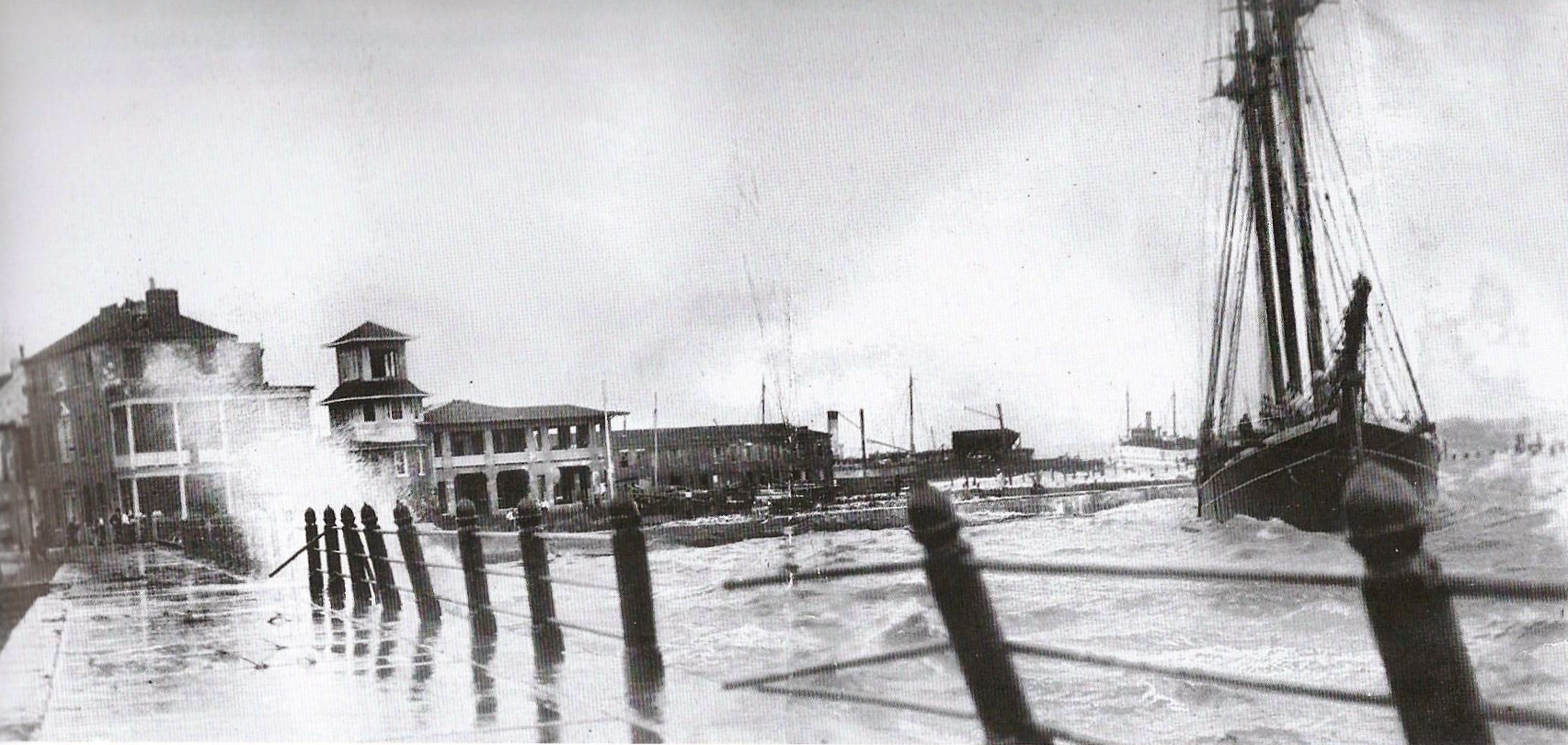
1911 – Hurricane!

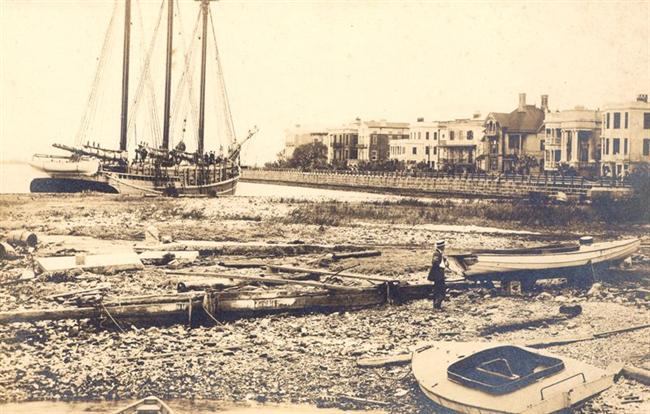
1911 hurricane

battery 1919 storm

Damage along the waterfront was extensive: Wharves were destroyed, and several houses along the Battery suffered extreme damage. The schooner Edwina, was loaded with lumber destined for New York when she was washed up near East Battery. The ship remained stuck off the Battery for six months and was finally salvaged in March 1912.