Today In Charleston History: August 12

1781 – Births

During a 50+ year career as an architect and engineer, Robert Mills left his legacy across the United States.
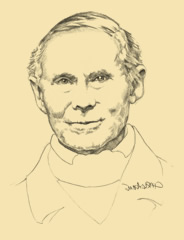
Robert Mills

Robert Mills

Robert Mills was born in Charlestown on August 12, 1781, during the British occupation of the city. His father was a tailor, respectable and successful but solidly middle class. Mills is often erroneously referred to as America’s first native-born architect, but Charles Bullfinch of Boston, has a clearer claim to that honor.

When Robert Mills was ten years old, President George Washington visited Charleston for seven days. While in the city Washington inspected the almost completed Charleston County Courthouse and was impressed by its young Irish architect, James Hoban of Philadelphia.

During his time in Charleston (1787-1792) Hoban conducted an “evening school, for the instruction of young men in Architecture.” It is often speculated that Mills attended these classes, but there is no documentation of that fact. If not, then due to the quality of his earliest drawings (1802), certainly Mills would have attended similar classes offered to young men in Charleston. Newspapers at the time advertised that M. Depresseville:

Continues to keep his Drawing School, in different Part of Landscapes, with Pencil or Washed, teaches Architecture, and to draw with method; also the necessary acknowledgements for the Plans.  

Another advertisement claimed that Thomas Walker, a stone cutter and mason from Edinburgh:

opened an evening school for teaching the rules of Architecture from seven to nine in the evening (four nights a week)

In 1800, at age nineteen, Mills moved to Washington, D.C. and was hired by James Hoban. The Irish architect who had so impressed George Washington in Charleston, had won the design competition of the President’s Palace – the White House. In December 1800 Mills was “pursuing studies in the office of the architect of the President’s House.”

Under Hoban, who was also at the same time supervising the construction of the Capital, Mills served as an apprentice or assistant and spent most of his time drawing and sketching wainscot, staircases and doorways, and learning the more rudimentary skills of construction – labor and material management. During the next two years Mills was exposed to more building and design than he could have in any place in America.

Mills also befriended Thomas Jefferson during this time and wrote that Jefferson “offered me the use of his library.” He also wanted drawings of his home, Monticello and he “engaged Mr. Mills to make out drawings of the general plan and elevation of the building.”         

In 1802, Mills submitted designs for the proposed South Carolina College and won the $300 prize, even though none of his designs were ever used. He then spent eight years working for Benjamin Latrobe who had been appointed Surveyor of Public Buildings by President Thomas Jefferson.

Mills wrote that Latrobe was:

Engaged upon the Delaware and Chesapeake Canal and as an architect of the Capitol at Washington, at which time I entered his office as a student under the advice and recommendation of Mr. Jefferson, then President of the United States.

Latrobe later described Mills as possessing:

that valuable substitute for genius – laborious precision – in a very high degree, and is therefore very useful to me, though his professional education has been hitherfor much misdirected.

During this time Mills also submitted plans for two Charleston churches, an alteration of St. Michael’s (never implemented) and a design for the Congregational Church. Dr. David Ramsay presented the idea of a round church in 1803 saying his “wife suggested the idea and sketched a plan.” In February 1804 the church’s building committee thanked Mills:

for his ingenious and elegant drawings which had essentially assisted the Members and Supporters in forming a correct opinion of the form and plan of their proposed building.

Mills plans called for a rotunda eighty-eight feet in diameter and thirty-three feet high, covered by a hemispherical Delorme made of wood and sheathed in copper, capped by a large cupola. His design for the church was severely altered when the church was constructed in 1806, much to Mills’ displeasure
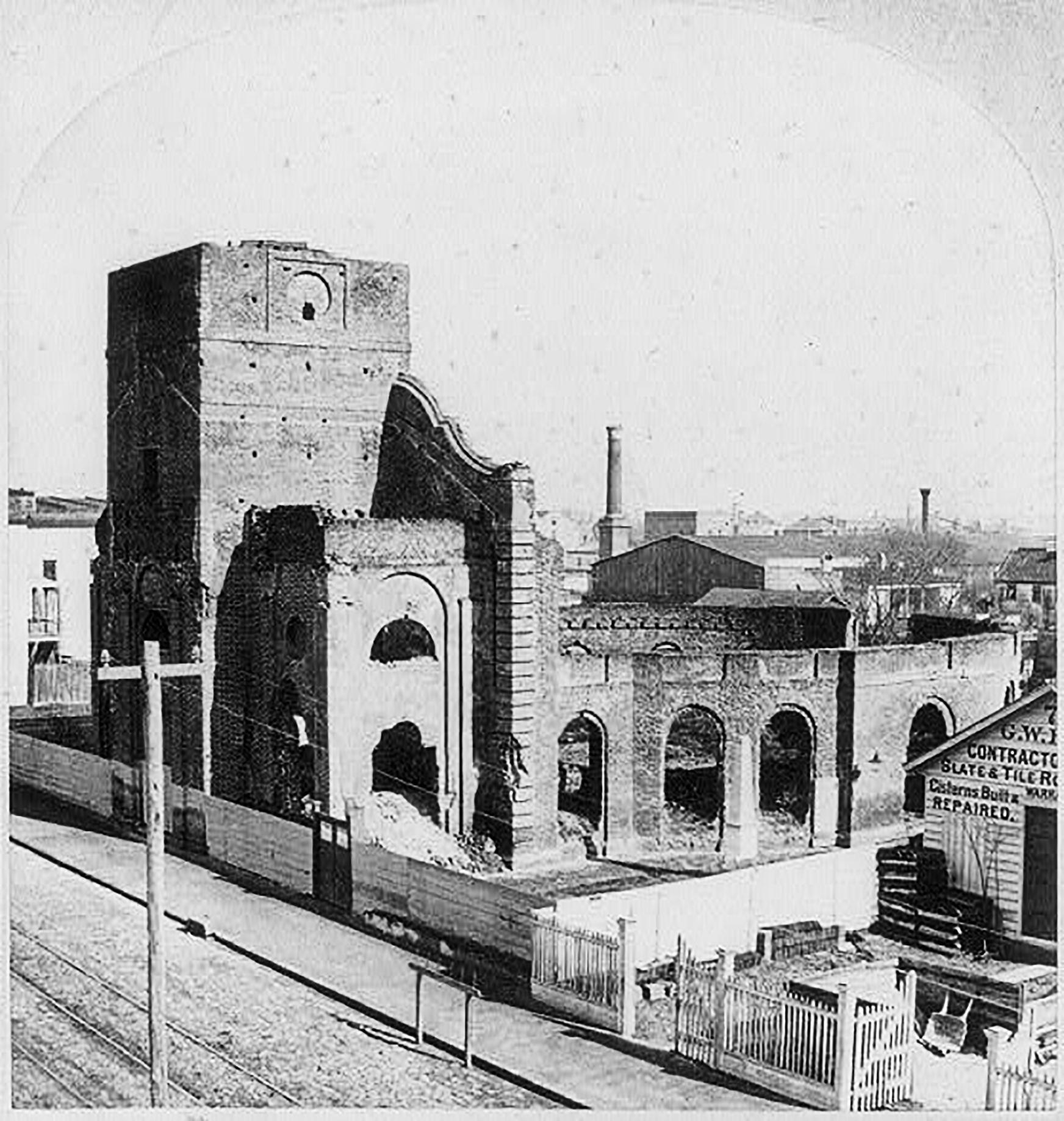
circular ruins 2

Ruins of the Circular Congregational Church, Charleston, circa 1880s. Photograph shows the damage from the 1861 fire that ravaged the city. Courtesy Library of Congress.

In 1819 South Carolina established an Internal Improvements Program for the creation of canals, roads and public buildings. With a budge of $1 million spread out over ten years it was the largest public works improvement project per capita of any state in America. Mills was hired as the Acting Commissioner for Public Buildings. His main task was to design (or redesign) courthouses and jails across the state. However, the state legislature had noted the need for fireproof buildings as repositories throughout the state and appropriated $50,000 for the design and construction.

On May 20, 1822, Charleston City Council voted to pay Mills $200 for a fireproof building on the square behind City Hall to be used for county records. Mills envisioned the building as part of a public square which embraced the park (later named Washington Park), City Hall, the County Courthouse and a proposed Federal courthouse.

In December 1823 Mills lost his post as Superintendent of Public Buildings but was appointed as one of four “Commissioners for completing Fire Proof Buildings.” He was also appointed Commissioner of Public Buildings for Charleston District, even though he was living in the state capital, Columbia.

Throughout 1825-26, under the supervision of contractor John Spindle, the construction of the Fireproof Building continued. All materials were non-flammable – granite, brownstone, flagstone, brick, metal and copper. On December 11, 1826, it was finished and “ready for occupancy.” Final cost of the project was $53,803.81.
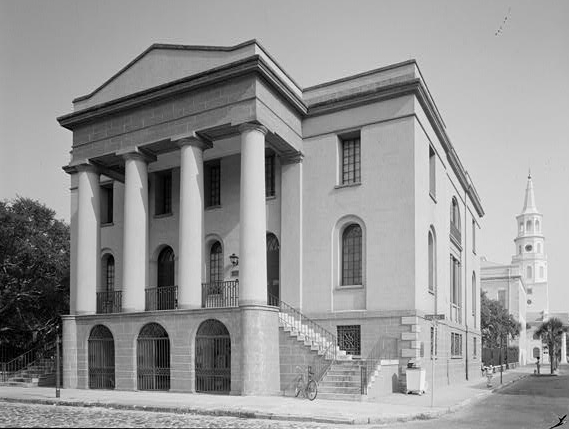
fireproof

Bottom: Fireproof Building, Charleston. Courtesy Library of Congress

In 1836, Robert Mills won a private design competition conducted by the Washington National Monument Committee for a permanent memorial to George Washington in the nation’s capital. His original design called for a 600-foot-tall square shaft rising from a Greco-Roman circular colonnade of thirty Doric columns, 45 feet high and 12 feet in diameter.

By the time the cornerstone was laid on July 4, 1848, the design of the monument had changed considerably to the more stream-lined, elegant structure that is one of the most famous landmarks in the United States. 

washington monument - design and completed

Mills died on March 3, 1855 with more than 50 projects to his credit, which include more than thirty county courthouses and jail buildings in South Carolina. Some of Mills’ most important projects include: 

1804

  • Circular Congregational Church, Charleston, S.C.

1806

  • South Carolina Penitentiary, Columbia, S.C.

1809

  • Franklin Row, Philadelphia, Pa
  • State House (Independence Hall) Wings, Philadelphia, Pa.

1812

  • First Unitarian (Octagon) Church, Philadelphia, Pa

1813

  • Washington Monument, Baltimore, Md.

1816

  • Winchester Monument, Baltimore, Md.
  • First Baptist Church, Baltimore, Md.

1817

  • John’s Episcopal Church, Baltimore, Md.

1818

  • First Baptist Church, Charleston S.C.

1821

  • Colleton County Courthouse; Colleton County Jail, Walterboro, S.C.
  • Columbia Canal, Columbia, S.C.

1822

  • Charleston County Jail (addition), Charleston, S.C.
  • County Records Office – Fireproof Building, Charleston, S.C.
  • Powder Magazine Complex, Charleston, S.C.
  • South Carolina Asylum, Columbia, S.C

1823

  • Horry County Courthouse and Jail, Conway, S.C.
  • Union County Courthouse, Union, S.C.

1824

  • Peter’s Church, Columbia, S.C.
  • Maxcy Monument, Columbia, S.C.

1825

  • Atlas of the State of South Carolina
  • Edgefield County Courthouse, Edgefield, S.C.

1826

  • Elevated railroad, Washington, D.C. to New Orleans
  • Newberry County Jail, Newberry, S.C.

1830

  • U.S. Senate (renovation), Washington, D.C.

1831

  • Marine Hospital, Charleston, S.C.
  • Washington Canal, Washington, D.C.

1832

  • Executive Offices and White House (water systems), Washington, D.C.
  • House of Representatives (alterations), Washington, D.C.

1833

  • Customs House, New London, Ct.
  • Customs House, New Bedford, Ma.

1834

  • U.S. Capital (water system), Washington, D.C.

1836

  • U.S. Patent Office, Washington, D.C.
  • South Caroliniana Library, Columbia, S.C.
  • U.S. Treasury Building, Washington, D.C.

patent office - mills

1839

  • Library and Science Building, U.S. Military Academy, West Point, N.Y.
  • U.S. Post Office, Washington, D.C.

1845

  • Washington National Monument, Washington, D.C.

1847

  • Smithsonian Institution (supervising architect), Washington, D.C.

1852

  • University of Virginia Library (addition, renovation), Charlottesville, Va.
1863 – Civil War. H.L. Hunley Arrives

The Hunley submarine arrived  in Charleston. James McClintock, one of the designers and builders of the Hunley was offered $100,000 ($1.6. million in current currency) to sink either the New Ironsides or the Wabash, two of the Federal ships in the blockade. With a crew of volunteers, the McClintock conducted a week of safe tests in the harbor between Ft. Johnson and Fort Moultrie, away from the eyes of the Federal blockade. Gen. Beauregard quickly became frustrated by McClintock’s caution. He asked that a Confederate Navy man sail on the submarine. When McClintock refused, Beauregard ordered the submarine seized by the Confederate Navy and a crew of volunteers take over its operation.

McClintock was so disgusted he left Charleston.

Hunley-1

Sketch of the Hunley at the direction of William Alexander, depicting the interior design, for his 1902 article “Hunley.” Courtesy Naval Historical Center.
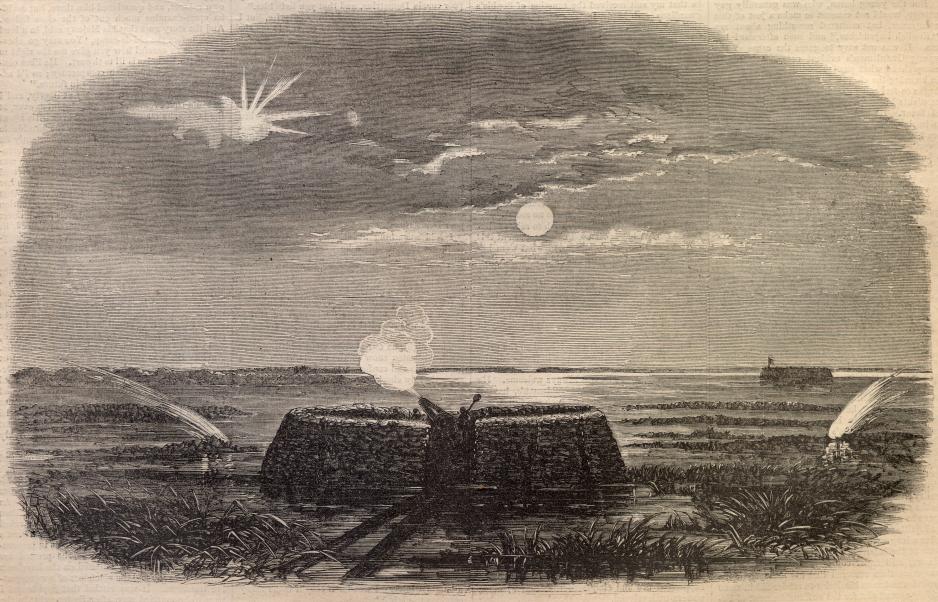
August: This Month In South Carolina History – “Swamp Angel Takes Aim At Charleston

Upon surrendering Fort Sumter on April 15, 1861, the United States military developed a methodical campaign designed to regain control of Charleston harbor. In 1863 an attack by Union ironclad ships failed to retake Ft. Sumter, so Union General Quincy Gillmore approved a plan to reduce Charleston with artillery fire. For that purpose, he ordered the construction of a battery in the marsh between Morris and James Islands.

Swamp Angel

Swamp Angel

Swamp Angel

Swamp Angel

During the summer pilings were driven into the marsh to create a parapet, a grillege (crisscrossed logs) laid on top and covered with 13,000 sandbags weighing more than 800 tons. A platform was built on top of the sand bags to support a 16,500-pound gun – an 8-inch Parrot nicknamed the “Swamp Angel.” The Angel was capable of firing 200 pound incendiary shells (authorized by President Lincoln) four to five miles into the city. The shells were filled with “Greek fire,” a mixture used first in 450 BC which included sulphur, petroleum, quicklime, phosphorus, and saltpeter. It was hoped that the “greek fire” would ignite upon explosion and turn Charleston into a “raging inferno.”  The gun was mounted on August 17.

On the evening of August 21-22, 1863, Captain Nathaniel Edwards took compass readings on St Michael’s church steeple in Charleston for nighttime firing.  For the people of the North, Charleston was a legitimate military target, as well as an emotional target. Charleston was the symbol of the Southern rebellion, where secession and the first military action of the War took place. Charleston’s destruction was considered fair retribution.

 On August 21, 1863, Union General Quincy Gillmore wrote a letter to Confederate Gen. P.G.T Beauregard:

“The United States government demands the immediate evacuation of Morris Island and Fort Sumter within four hours of this delivery or I shall open fire upon the city of Charleston.” The note reached Beauregard’s headquarters at 10:45 P.M. Beauregard was not at the headquarters, and since the message was unsigned, it was returned to Gillmore for verification.

At 1:30 A.M the first shot from the Swamp Angel was fired into the city, its shell landed near the present day intersection of Church and Pinckney streets. British war correspondent and illustrator Frank Vizetelly was staying at the Charleston Hotel on Meeting Street. He described the first shot “like the whirr of a phantom brigade of cavalry galloping in mid-air over the hotel and then a deafening explosion in the street. At first I thought a meteor had fallen, but a moment later … there was another whirr and another explosion. The city was being shelled. There were terrified citizens rushing about in the scantiest of costumes.”

The explosion caused panic and pandemonium among the hotel’s guests, whom Vizetelly described as “shady speculators attracted to the auctions of goods recently run through the blockade by unscrupulous characters from whom the Confederacy expects nothing.”

Over the next hour, sixteen shots landed in the city. One of the guests wrote that “We could hear the whiz of shells before they passed over our heads, and I bet the Englishman [Vizetelly] a thousand to one that the next shell would not hit us.”  The resulting flames of the bombardment could be seen by the Union soldiers and the fire alarm bells rang throughout the night.

The next morning Gillmore’s note, now signed, was re-delivered to Beauregard’s headquarters. Beauregard immediately sent back an enraged reply in which he demanded time to evacuate the city’s civilian population. Gillmore gave Beauregard twenty-four hours. 

On August 23 the Swamp Angel resumed firing, shooting dozens of rounds into the city. On the thirty-sixth shot, the Swamp Angel exploded and fell silent forever, but history had been made. The firing of the Swamp Angel was the first documented firing of an artillery piece using a compass reading, and the distance covered by the shells launched into the city was farther than any previous military bombardment. Even without the Angel, the Federal bombardment of Charleston nevertheless continued until February 1865 when Union troops occupied the city. The siege lasted 587 days, the longest suffered by any American city. Charleston was under Federal occupation for the next twelve years.

swamp_angel2-large

After the War, the remains of the Swamp Angel were transported to Trenton, New Jersey, where they were used as part of a Civil War Monument. The gun was restored in 1994 where it remains on display in Cadwalader Park. 

Charleston Firsts: America’s 1st Public Golf Course

From the book Charleston Firsts. 


In 1743 David Deas received the first documented shipment of golf equipment to arrive in the American colonies – 432 balls and 96 clubs sent from the Scottish port Leith to Charleston. The sheer number of clubs and balls is intriguing. During this time in Europe most golfers only carried 5-8 clubs with them, so this would have been enough to outfit more than a dozen local players, which would lead to the logical assumption the equipment was for more than just Deas’ use. That would support the idea that there was some sort of organized golfing culture in the lowcountry.

Fifteen years later, Charleston merchant Andrew Johnston returned from trip to Scotland in 1759 with golfing equipment for use on his planation. When he died five years later the inventory of his estate listed “twelve goof [golf] sticks and balls.”

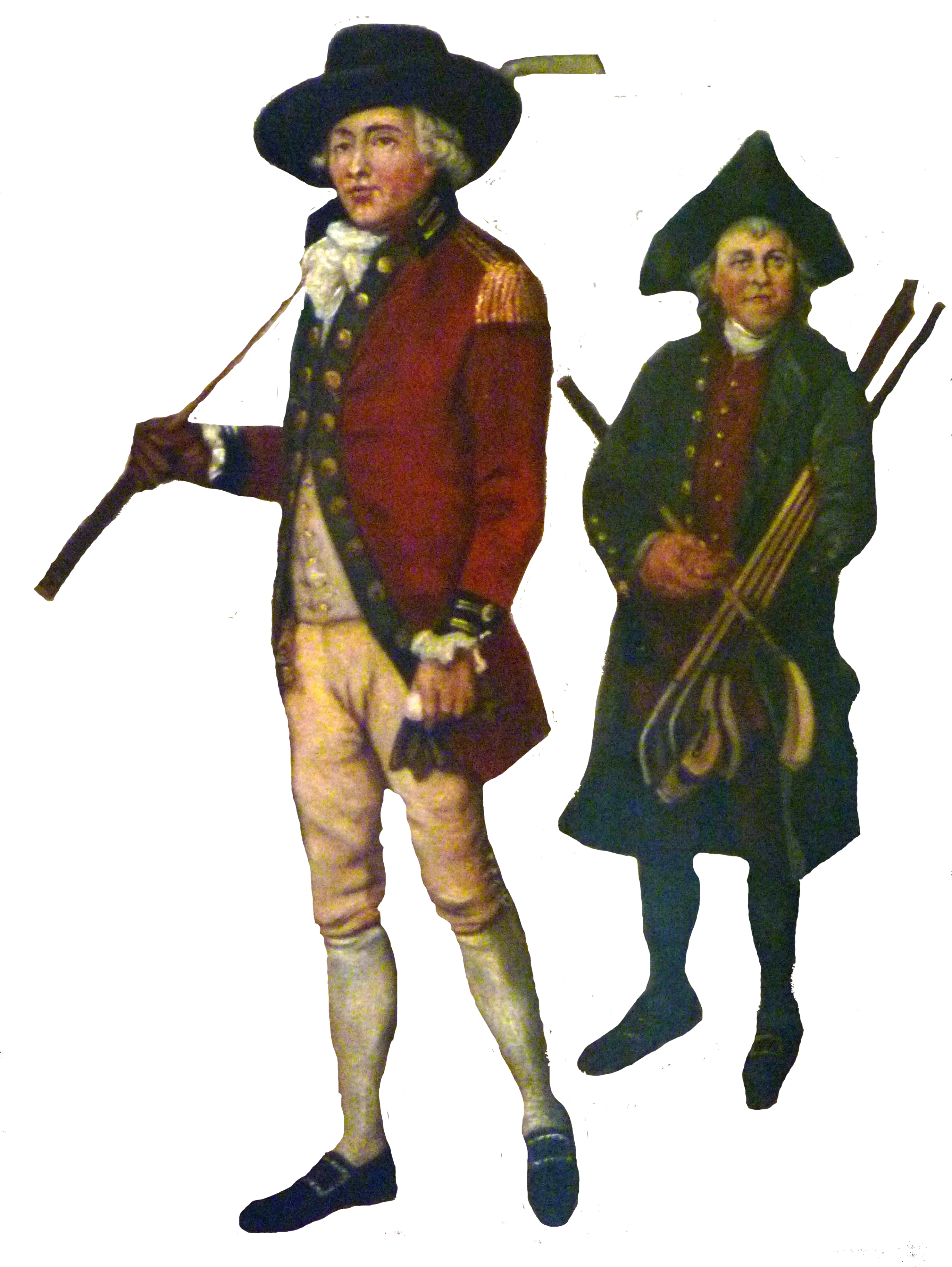
Golf_caddy

Golfer and caddy, 18th century

On May 28, 1788, an advertisement in the Charleston City Gazette requested that members of the South Carolina Golf Club meet on “Harleston’s Green, this day, the 28th.” After which they adjourned to “Williams’ Coffee House.” Also in 1788 there was an announcement of the formation of the South Carolina Golf Club was also listed in The Southern States Emphemris: The North and South Carolina and Georgia Almanac.

Harleston’s Green was a parcel of undeveloped pastureland on the Charleston peninsula, between Calhoun and Beaufain Streets, stretching from Rutledge Ave to the Ashley River. The Green was often used by locals as a public “pleasure ground” – a park.

In 1795 a newspaper notice announced that “The anniversary of the GOLF CLUB will be held on Saturday next at the Club house on Harleston’s Green.” The last known announcement of a meeting of the South Carolina Golf Club appeared on October 19, 1799.

Some historians suggest that early golf games were played without a set number of holes, no greens and no designated teeing areas. The players dug crude holes in the ground and, since they were not marked, they sent “finders” (in Charleston they were usually slaves) to stand next to the hole to mark its location and to alert others of an approaching shot by hollering “Be forewarned!” After completion of a hole, the player would “tee off at a distance of two club-lengths away from that hole.”

The equipment used by these earlier golfers was rudimentary, to say the least. Wooden clubs were hand-made, some crude and some more refined – many looking like modern day hockey sticks. The golf balls of the 1700s would have been a round piece of cowhide stuffed with goose feathers. Called a “Feathery” they were manufactured while the leather and feathers were wet, so, as the leather shrunk during drying, the feathers expanded to create a hard, compact ball. The Feathery was often painted and sold for as much as 5 shillings – the equivalent of $20 dollars in current currency. At most a Feathery would have lasted two rounds of golf before having to be replaced.

Charleston legend also states, that part of Harleston Green’s membership fee requirement was used to “maintain the Green,” now called “green fees.”

harleston green - 1788 map

Ichnography of Charleston, South-Carolina: at the request of Adam Tunno, Esq., for the use of the Phoenix Fire-Company of London, taken from actual survey, 2d August 1788 / by Edmund Petrie. “Harleston Green” highlight added by the author. Courtesy Library of Congress

BORN TODAY: Countess Elisabeth Bathory – Serial Killer

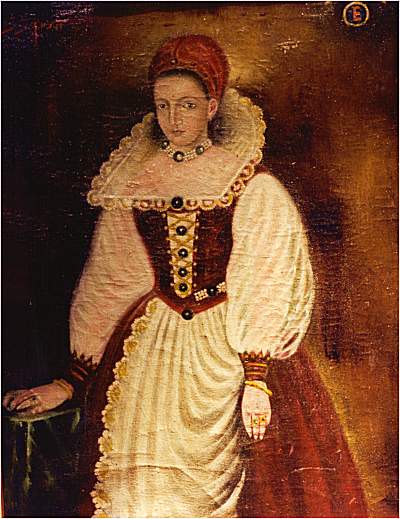
Bathory was born in Transylvania in 1560 to a distinguished family. One of her    uncles instructed her in Satanism, while her aunt taught her all about sadomasochism. At the age of 15, Bathory was married to Count Nadady, and the couple   settled into Csejthe Castle. To please his wife, her husband reportedly built a torture chamber to her specifications.

Elisabeth Bathory, the Bloody Countess

Elisabeth Bathory, the Bloody Countess

Although the count participated in his wife’s cruelties, he may have also restrained her impulses; when he died in the early 1600s, she became much worse. With the help of her former nurse, Ilona Joo, and local witch Dorotta Szentes, Bathory began abducting peasant girls to torture and kill. She often bit chunks of flesh from her victims, and one unfortunate girl was even forced to cook and eat her own flesh. Bathory reportedly believed that human blood would keep her looking young and healthy.

Since her family headed the local government, Bathory’s crimes were ignored until 1610. But King Matthias finally intervened because Bathory had begun finding victims among the daughters of local nobles.

On December 29, 1610, a garrison of soldiers stormed the Hungarian castle of Cachtice and arrested Elisabeth (Erzsebet) Bathory. According to the surviving testimonials, she and/or her closest servant/confidants:

  • Kept her victims chained up every night so tight their hands turned blue and they spurted blood.
  • Beat them to the point where there was so much blood on the walls and beds that they had to use ashes and cinders to soak it up.
  • Burned her victims with metal sticks, red-hot keys, and coins; ironed the soles of their feet; and stuck burning iron rods into their vaginas.
  • Stabbed them, pricked them in their mouths and fingernails with needles, and cut their hands, lips, and noses with scissors.
  • Stitched their lips and tongues together.
  • Had them stand in tubs of ice water up to their necks outside until they died.
  • Smeared a naked girl with honey and left her outside to be bitten by ants, wasps, bees, and flies.
  • Kept them from eating for a week at a time, and, if they got thirsty, made them drink their own urine.
  • Stuffed five servants’ corpses underneath a bed and continued to feed them as if they were still alive.

In January 1611, Bathory and her cohorts were put on trial for 80 counts of murder. All were convicted, but only Bathory escaped execution. Instead, she was confined to a room of the castle that only had slits for air and food. She survived for three years but was found dead in August 1614.

Today In Charleston History: August 6

1806

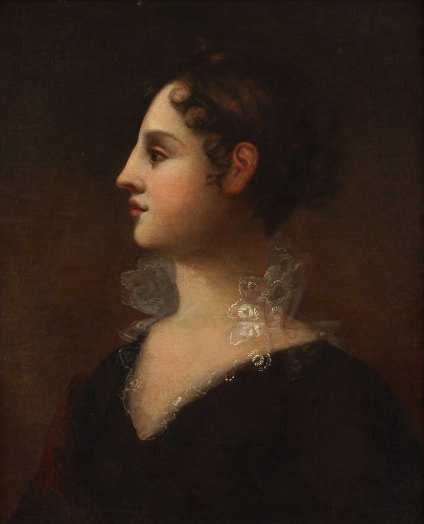
In failing health and constant pain, and suffering from depression, Theodosia Burr Alston wrote her last will and testament. The birth of her son had resulted in debilitating medical problems which were untreatable in her time. It left Theodosia to live out the rest of her married life infertile and battling recurring bouts of illness. She made trips to Saratoga, New York and Ballston Spa in an effort to restore her health, but with no lasting effects.

Theodosia Burr Alston by John Vanderlyn - New York Historical Society

Theodosia Burr Alston by John Vanderlyn – New York Historical Society

Today In Charleston History: August 5

1749 – Births.

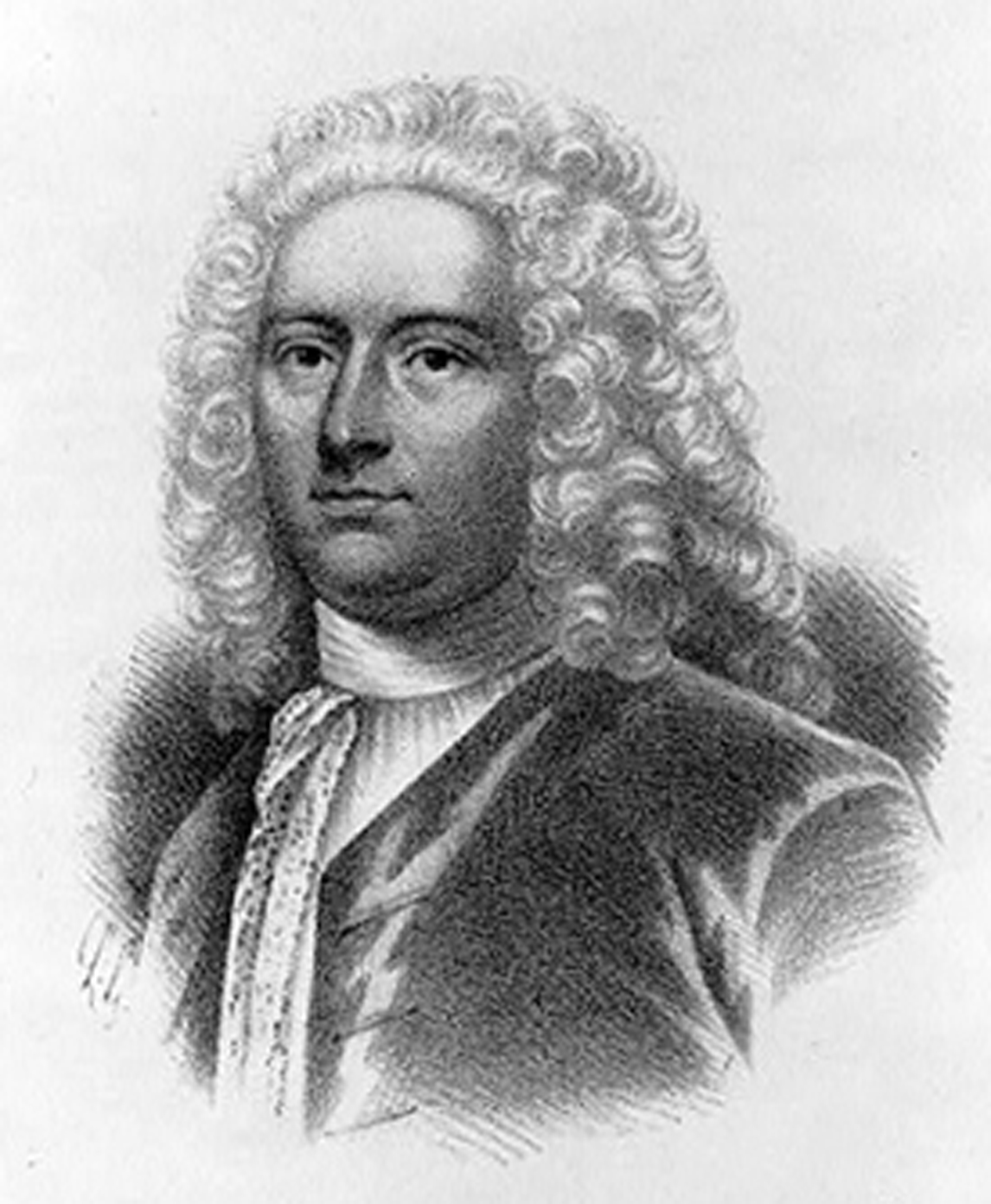
Thomas Lynch, Jr.

Thomas Lynch, Jr.  was born in Georgetown. He would later sign the Declaration of Independence for South Carolina.

1776 – American Revolution.

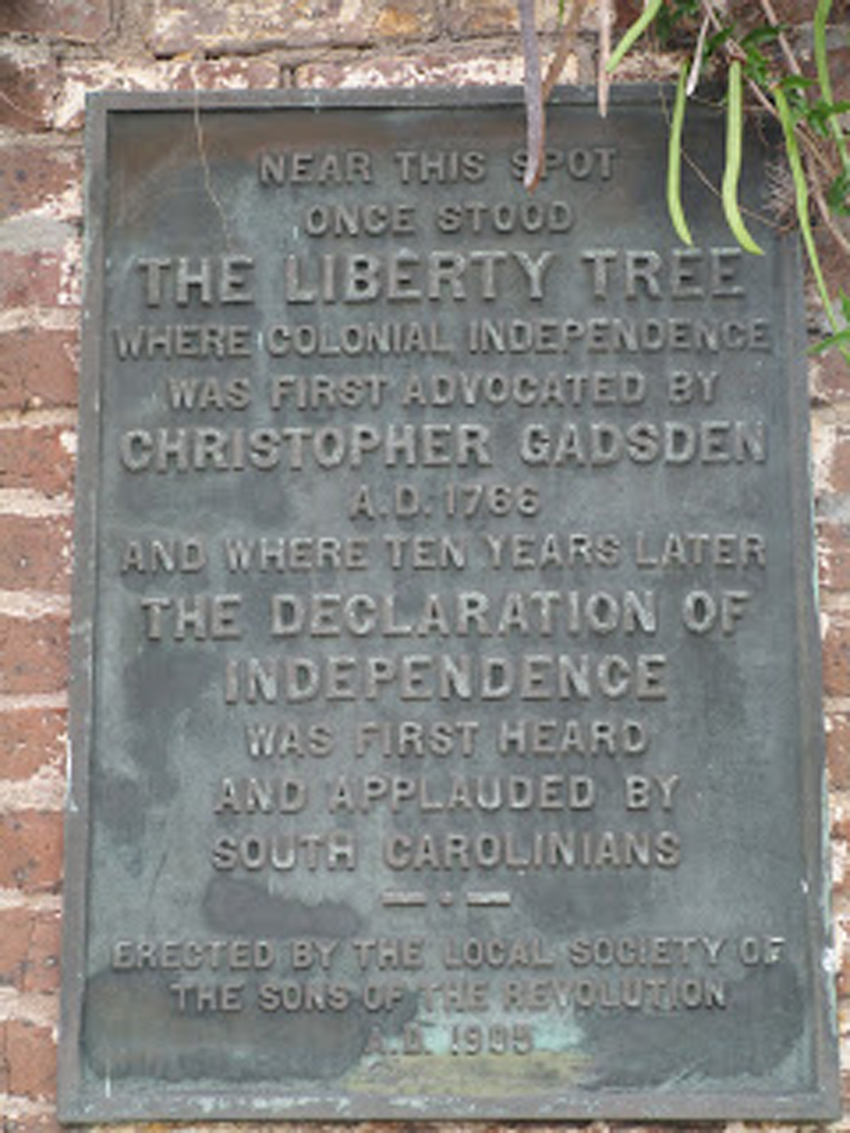
The Declaration of Independence arrived in Charleston. Maj. Barnard Elliot read it to a large, enthusiastic crowd under the Liberty Tree.

Liberty Tree marker on Alexander Street

Today In Charleston History: August 4

 1781 – British Occupation.Issac Hayne Executed

At 5:00 p.m. Col. Issac Hayne “was escorted by a party of soldiers to a gallows erected within the lines of the town with his hands tied behind, and there hung up till he was dead.” David Ramsay reported:

The military escort consisted of three hundred men. The place of execution was just without the city-lines, near Radcliffe’s Garden, nearly in front, and within a stone’s throw of the present Orphan House building. The troops formed a hollow square around the scaffold, the British troops occupying the front and rear, the Hessians on the right and left.

During the march through the city “the streets were crowded with thousands of anxious spectators.” Someone in the crowd called to Hayne “Exhibit the example of how an American can die!” Hayne replied, “I will endeavor to do so.”

gs_hayne

Today In Charleston History: August 3

 1674 – Deaths.

Sir John Yeamans

Sir John Yeamans

Sir John Yeamans died in Carolina.  He was one of original landgraves of the Carolina colonial and became governor. In 1674 Yeamans was removed from office, and at once sailed for Barbados, where he soon afterward died. Robert Weir wrote: 

Yeamans epitomized the enterprising Barbadians who played a large part in settling South Carolina. That some, like him, resembled pirates ashore probably both promoted and retarded development of the colony; it certainly contributed to political factionalism endemic during the early years.

1769 – American Revolution – Foundations.

William Henry Drayton was a twenty-seven year old planter who refused to join the Association. Educated in England, Drayton had expensive tastes and his fondness for gambling left him deeply in debt. He was described as “a rather frivolous young lightweight, unable to get his life in order.”

When Drayton discovered there was no market for his plantation goods, he attacked the Association in the Gazette. The publication of his name was “an infringement of individual rights” and “only the legislature could brand a man an enemy of his country.” He contemptuously called Gadsden: “either traitor or madman who looks upon himself as a monarch … the ruler of the people …[who should be] locked in an insane asylum until the change of the moon.”

1776American Revolution – Continental Congress.  

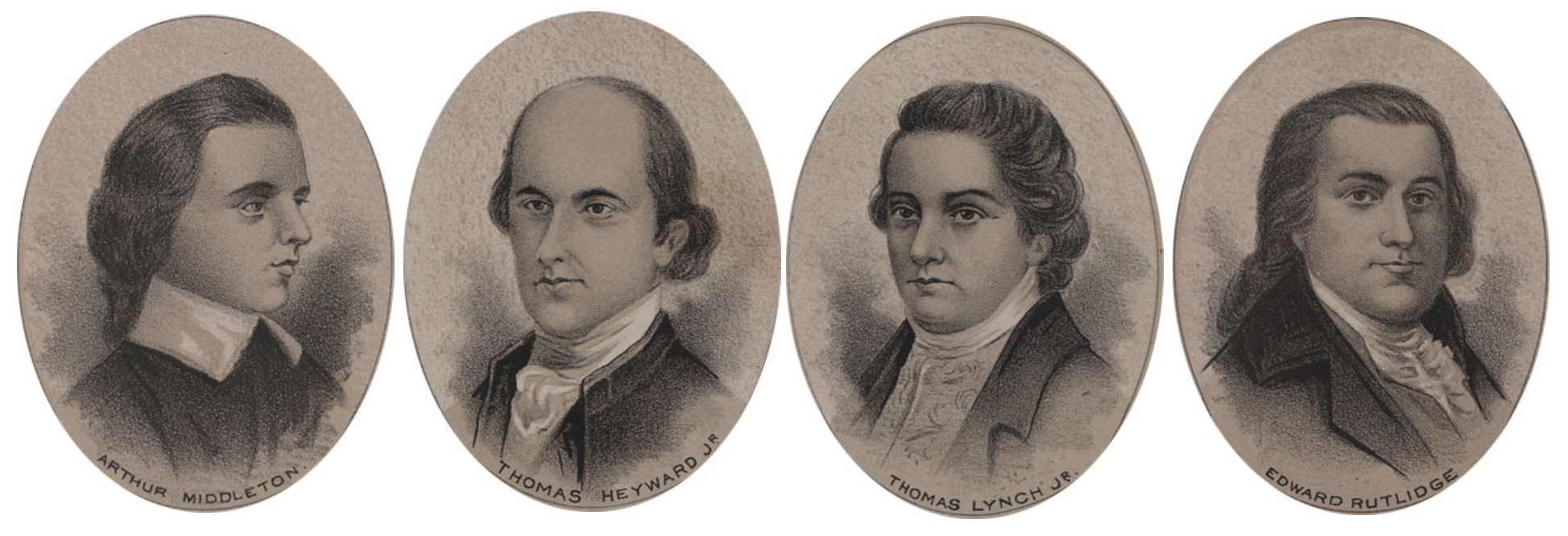
Most of the members of the Continental Congress officially signed the Declaration of Independence on this day. They then turned their attention to creating a union of the thirteen colonies. South Carolina signers were: Edward Rutledge, Arthur Middleton, Thomas Heyward, Jr. and Thomas Lynch, Jr. 

South Carolina signers of the Declaration of Independence

South Carolina signers of the Declaration of Independence.

1781 – British Occupation.

A group of citizens meet Lord Rawdon at the Miles Brewton House to plead for Issac Hayne’s life. Col Hayne’s son, William Hayne wrote:

I recollect also going with my brother Issac & sister Sarah in Company of my Aunt Peronneau to Lieut. Col. Balfour … and on our knees presenting a petition to him in favor of my father but without effect. 

1807

The trial of Aaron Burr began before a packed house. His daughter,Theodosia Burr Alston, sat in the courtroom next to her Charleston husband, Joseph Alston, during the trial. It was written about her:

There is nothing in human history that is more touching than her devotion during this ordeal. Beautiful, intelligent far beyond the average woman of her time, she was the center of admiration throughout the trial.

1836 – Religion.

Angelina Grimke Weld

Angelina Grimke Weld

Angelina Grimke was moved to speak at a silent prayer at the Orange Street Quaker Meeting in Philadelphia. She was interrupted by Jonathon Edwards, suggesting that she stop speaking. This convinced Angelina that she could no longer live in Philadelphia, since the Quakers were not supportive of her abolitionist views.  She wrote, “The incident has proved the means of releasing me from those bonds which almost destroyed my mind.”

     She became a full-fledged public abolitionist.

1864 – Bombardment of Charleston.

In the North Channel just outside the Charleston harbor during the morning, Union officers were exchanged for an equal number of Confederate officers.  

Today In Charleston History: August 2

1861

From Emma Holmes diary: 

Two young men, members of the W.[ashington] L.[ight] I.[nfantry, Horsey & Walker, have been lately shot for insubordination. The former wrote and published a very mutinous and very improper letter in regard to the alleged treatment of the officers of the [Hampton] Legion. Col. Hampton ordered him arrested & he drew a pistol on him. 

1863

From Emma Holmes diary: 

I walked this afternoon amidst whole streets in ruin to visit our old home; found some soldiers encamped on the spot, so did not go quite to it. But sat for some time on the foundation of Mr. Bull’s iron fencing sadly recalling the memories of the past … The pillars and tall iron steps of Mr. Bulls’s porch still remained, with vines climbing here & there, bringing vividly to mind our pleasant tableaux & oyster parties & the many many changes in the merry girls and youths there and them assembled.

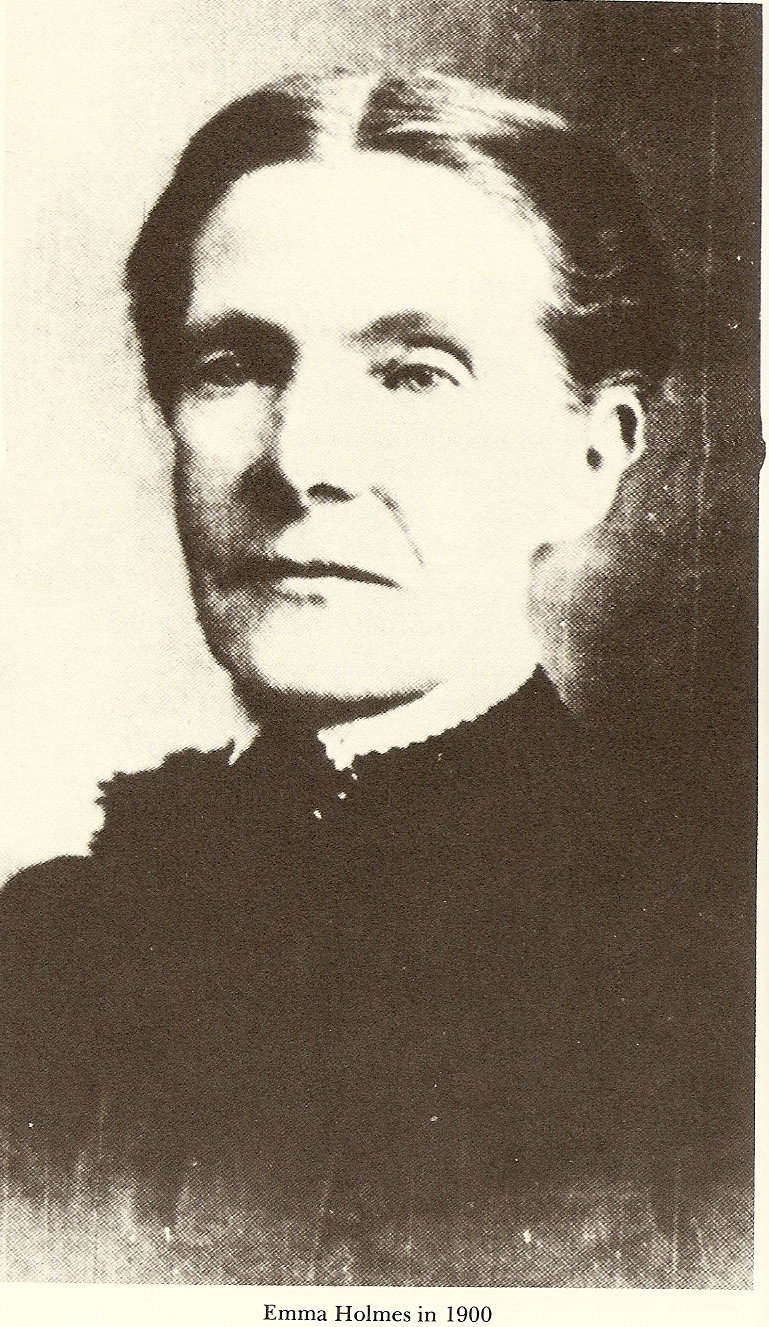
Emma Holmes

Emma Holmes

Emma Holmes was born in 1838 in Charleston, South Carolina, to a plantation owner. During the Civil War, from February 1861 until March 1866, Emma kept a diary of her life in Charleston, the affairs of her family and history as she observed it. A true Confederate, like many others, she believed the war would be over within a few months.

Four of Emma’s five brothers served in the Confederate Army. Her oldest brother Henry was a doctor. Fortunately, all of her brothers survived, although many of her friends and relatives did not.

Today In Charleston History: August 1

1714 – England

George I became King of Great Britain.

1736 – Slavery. Religion

John Wesley

John Wesley

John Wesley, at the request of Reverend Alexander Garden, preached the Sunday sermon at St. Philip’s Church with

about three hundred present for Morning Service … about fifty for the holy communion. I was glad to see several Negroes at church; one of whom told me, she was there constantly; and that her old mistress (now dead) had many times instructed her in the Christian religion.

1776 – American RevolutionReligion.

Rev. Robert Cooper, who supported the King, was removed as minister of St. Michael’s Church, and ordered out of the parsonage.

1809

Theodosia Burr Alston wrote to her father, Aaron Burr, living in self-imposed exile in Europe:

I witness your extraordinary fortitude with new wonder at every new misfortune. Often, after reflecting on this subject, you appear to me so superior, so elevated above other men, I contemplate you with such a strange mixture of humility, admiration, love and pride, that very little superstition would be necessary to make me worship you as a superior being …

1811

A “riot” occurred at the Charleston Orphan House. According to the commissioners’ minutes, some boys created a “tumultuous uproar in the year and house.” After leaving the dinner table the boys:

commenced a great noise … they ran about the yard hooping and hurrahing with a most tumultuous clamor. One boy beat a kettle with a stick, and others raced past him shouting at the top of their lungs. Boys climbed over the pump near the Boundary Street gate and vigorously forced water into the yard.

orphan house postcard

Charleston Orphan House, postcard.

1864 – Bombardment of Charleston

Gen. Samuel Jones

Gen. Samuel Jones

Gus Smythe wrote about the new Charleston commander, Samuel Jones:

We have not very much confidence in Jones. They say he was sent here as this was the easiest place, the work being done, & they had no place else to send him.