#Today In Charleston History: October 4

1769  – Backcountry

In a letter to Lord Hillsborough, Lt Gov. William Bull complained about those:

backcountry inhabitants who chose to live by the wandering indolence of hunting than by the more honest and domestic employment of planting … little more than white Indians.

1776   

A grand jury in Charlestown recommended:

 that Jews and others may be restrained from allowing their negroes to sell good in shops, as such practice may induce other negroes to steal and barter with them … a profanation of the Lord’s Day.

Today In Charleston History: October 3

1650 – English Civil War, Foundations of Carolina.

Parliament passed an act which prohibited trade between England and Barbados. During the English Civil War Barbados became an asylum for Royalists seeking to avoid the conflict. After the execution of Charles I, Parliament sought to punish Barbados for remaining loyal to the King by restricting their trade. This eventually created an economic crisis on the small island.

Twenty years later, the Carolina colony became the “promised land” for many Barbadian merchants and planters.

1718 – Piracy
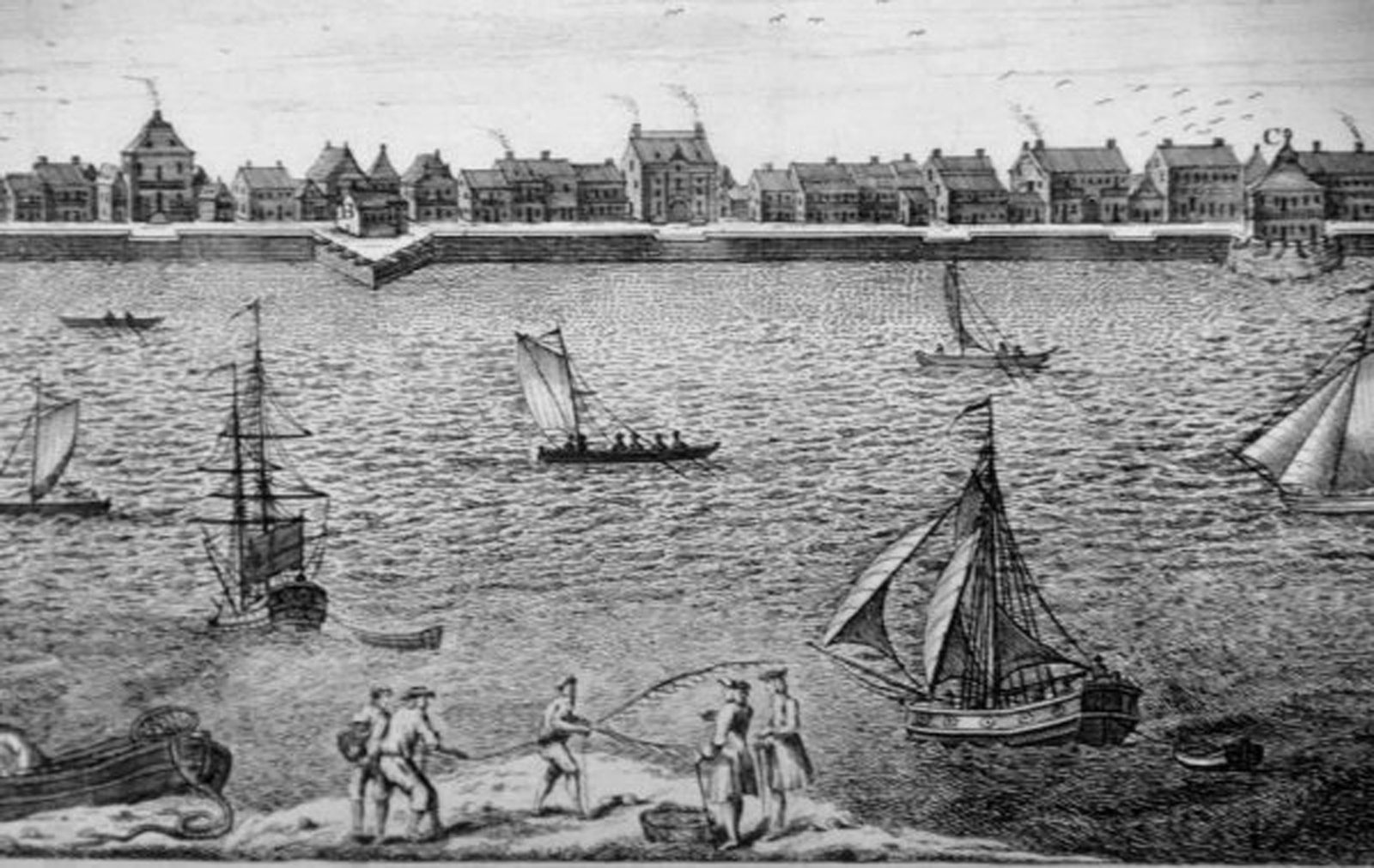
1739_prospect_half-moon_small

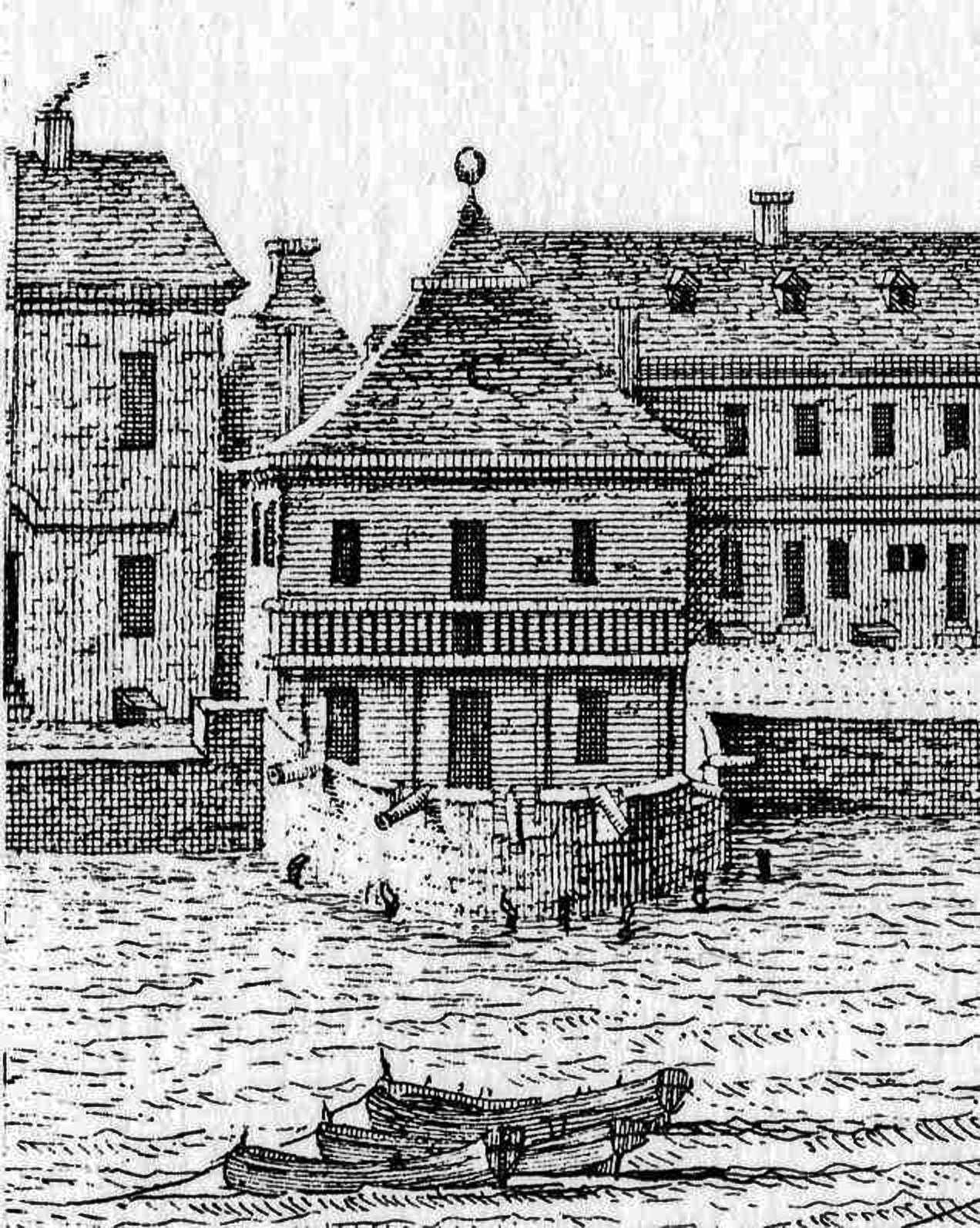
Half Moon Battery

Col. William Rhett triumphantly returned to Charles Town with two vessels which had been captured by the pirate Stede Bonnet, the Fortune and the Francis. Rhett delivered Bonnet and his men to the Provost Marshal of Carolina, Capt. Nathaniel Partridge, who placed them in the watch-house at the Half Moon battery to await trial.

Stede Bonnet remained in the custody of Capt. Partridge at the latter’s residence under armed guard. David Herriot and boatswain Ignatius Pell were also kept in Partridge’s residence, as they had agreed to give evidence for the Crown.
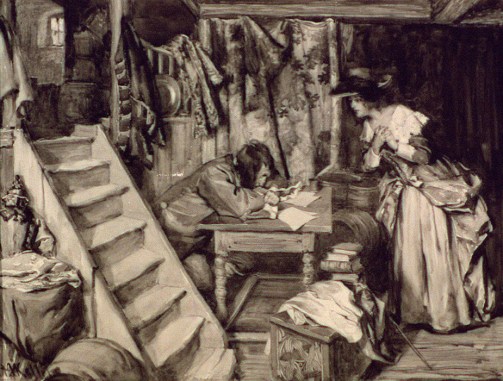
http://hdl.loc.gov/loc.pnp/cai.2a13632

Stede Bonnet imprisoned in Charles Town.

1767

Henry Laurens confronted Gov. Daniel Moore and rebuked him over his behavior. When Moore responded with an insult Laurens grabbed him by the nose and twisted it before a crowd of people. Laurens and other Charlestown merchants filed several lawsuits against Moore charging him with illegal extortion of fees. Moore quickly sailed to London to present his case to the Royal authorities.

1769  – Backcountry

In a letter to Lord Hillsborough, Lt Gov. William Bull complained about those:

backcountry inhabitants who chose to live by the wandering indolence of hunting than by the more honest and domestic employment of planting … little more than white Indians.

1776   

A grand jury in Charlestown recommended:

 that Jews and others may be restrained from allowing their negroes to sell good in shops, as such practice may induce other negroes to steal and barter with them … a profanation of the Lord’s Day.

1793 – Slavery, Haitian Rebellion

The ship Maria, bearing refugees from Haiti, docked in the city’s harbor.

1833 – South Carolina Railroad

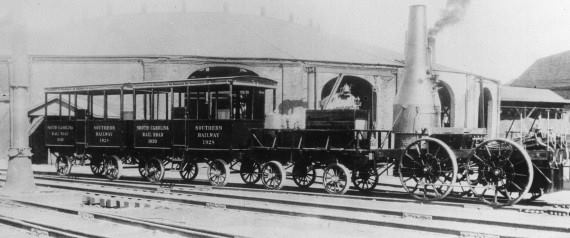
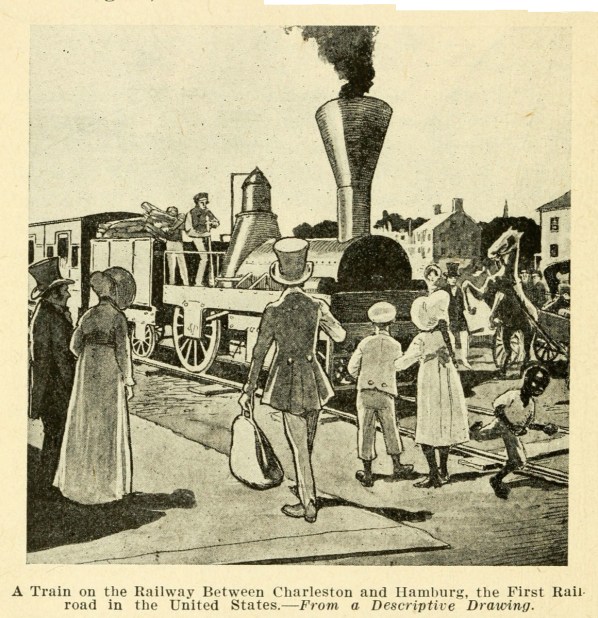
The Charleston & Hamburg Railroad began to run two passenger-only daily trains from Line Street to Ridge Road, located between Cypress Swamp and Four Hole Swamp. The first train left Charleston at 6:00 a.m. and returned at 9:00 a.m. The second train left at 1:00 p.m., returning at 3:00 p.m.  For the first time, people could visit to Charleston and return home 30 miles away in one day.
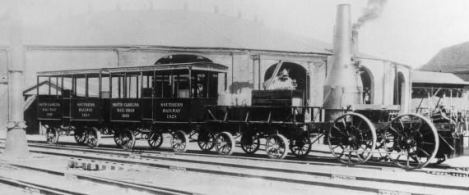
best friend

Today In History: October 2

1833

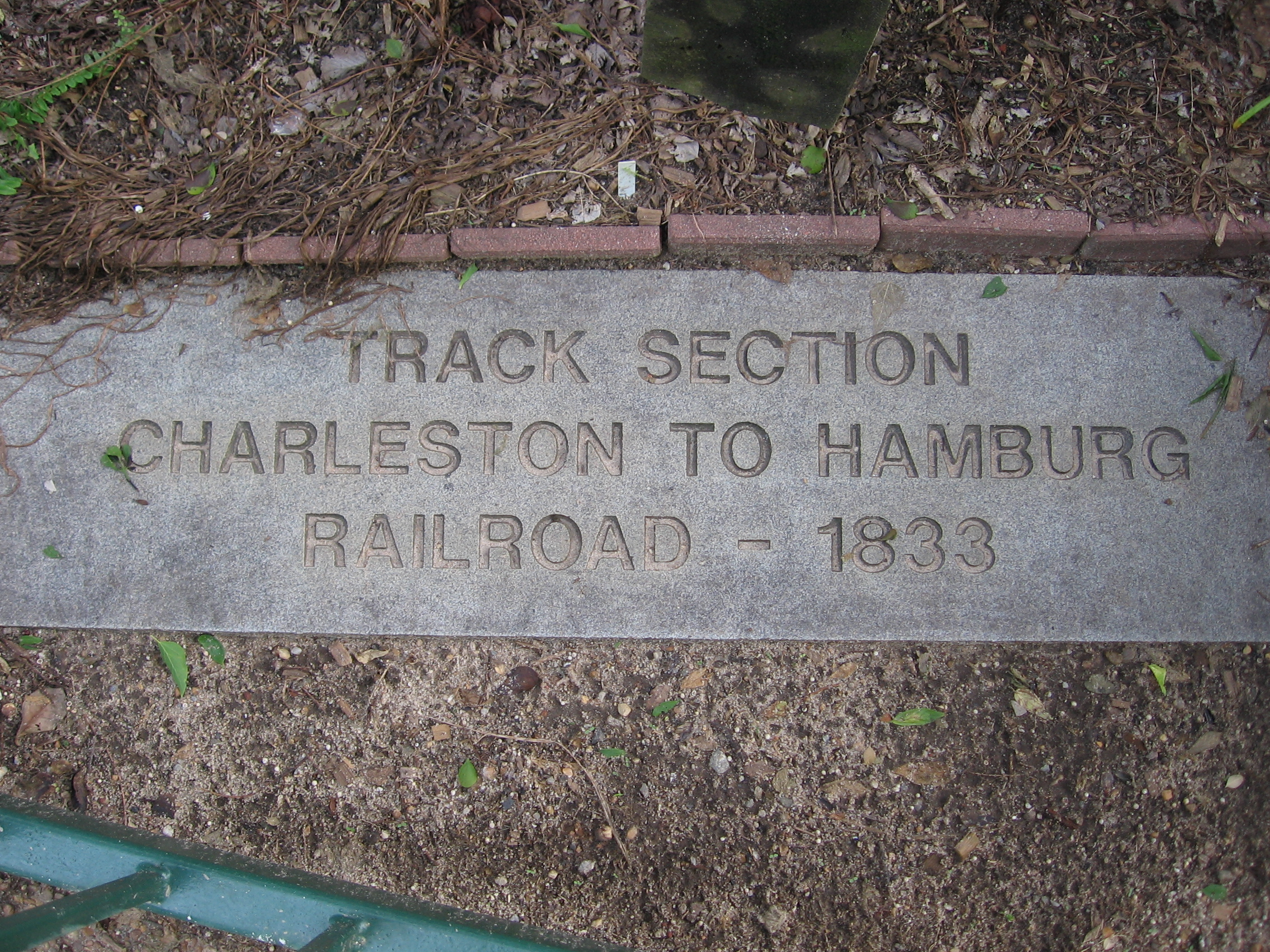
augusta-train-tracks-001The railroad from Charleston to Hamburg was completed, 136 miles – the longest railroad in the world at the time. Cost of the project was $950,000. The next day, a special “dignitaries” train ran from Charleston to Aiken, South Carolina, with Governor Robert Y. Hayne on board.

BEST FRIEND -history of south carolina - simms
1899

    At a meeting to organize the annual Fall Festival, Col. John H. Averill suggested that the festival needed some rethinking.

Why not change the Fall Festival to an Exposition of the resources and industry of South Carolina? Abandon the Festival this year, and open the twentieth century, one year from now, with an Exposition that will reflect credit on our city and all its people.

Today In Charleston History: October 1

1768 – American Revolution – Foundations.

The mechanics in Charles Town nominated candidates for election who opposed the Quartering Act, Stamp Act and Sugar Act. Led by Christopher Gadsden they met at the Liberty Tree “where many loyal, patriotic, and constitutional toasts were drank.” In honor of John Wilkes’ North Briton No. 45 the Liberty Tree was decorated with forty-five lights and forty-five rockets were fired. The company marched to Dillon’s Tavern where there were:

45 lights … upon the table, with 45 bowls of punch, 45 bottles of wine, and 92 glasses.  They spent a few hours in a new round of toasts.

map 1762, bishop

Charles Town, circa 1762

1785   

 The South Carolina Legislature voted 51-47 against West Indian slave trade ban. Charles Cotesworth Pinckney argued that South Carolina was not suited for supporting small white farmers because the land “was not capable of being cultivated by white men” – a reference to the unhealthy swamp lands of the low country. 

Alexander Gillon, Edward Rutledge and David Ramsay voted for the trade ban. Ramsay stated “that every man [who] went to church last Sunday, and said his prayers, was bound by a spiritual obligation to refuse the importation of slaves.”

Today In Charleston History: September 30

1745 – Weather Obersvations

Dr. John Lining noted in a letter that “in the summer the shaded air of about 2 or 3 in the afternoon is frequently between 90 and 95 degrees.”

1799 – Slavery

Capt. Joseph Vesey’s manservant Telemaque (Telmak, or “Denmark” as he now preferred to be called) purchased an East Bay Lottery ticket #1884. 

1926 – Deaths

The funeral for Edmund Thornton Jenkins was held in Charleston on a Thursday at the New Tabernacle Fourth Baptist Church on Palmetto Street. The Jenkins Orphanage Band marched through the Humane Friendly Cemetery and played a dirge at the gravesite. Jenks was buried next to his mother, Lena Jenkins.

In July Jenks had undergone surgery for appendicitis. After being returned to his bed he fell onto the floor sometime during the night where he remained undiscovered for several hours. He contracted pneumonia and his condition worsened. For some reason he had been released from the hospital and died at home on September 12.  The American consul in Paris cabled Rev. Jenkins to inform him of his son’s death. The six hundred dollar cost of having his body embalmed and shipped to America was paid by Rev. Jenkins.

jenks cemetery

1935

The world premiere performance Porgy and Bess took place at the Colonial Theatre in Boston. This was the traditional out-of-town performance for any show headed for Broadway.

17b. porgy and bess (loc) blank pg. 170

Original Broadway cast of “Porgy and Bess.”

Today In Charleston History: September 29

1705

Rice was placed on the list of enumerated goods, meaning that all rice shipped to Europe must pass through an English port.

1786 – Charleston First – Golf Club

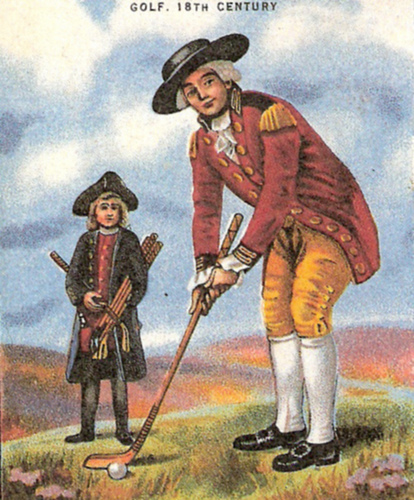
golferSeveral Scottish merchants organized the South Carolina Golf Club on Harleston’s Green – a rough rectangle used as a public pleasure ground, wedged between present-day Calhoun & Beaufain Streets and Rutledge & Barre Streets. Slaves apparently served as the earliest “finders” (caddies). They cleared the Green for the golfers, yelling “be forewarned!” to alert children and families. 

1812 – Dueling 

A duel took place at the Washington Race Course. William Bay, son of a local judge, was killed by William Crafts. Crafts had publically stated that the local bishop was “too much a Gentleman & a man of sense” to be a Republican. Bay, a Republican, took offense and challenged Crafts to a duel. Bay was shot in the heart and died immediately.

1938 – Natural Disasters – Tornadoes 

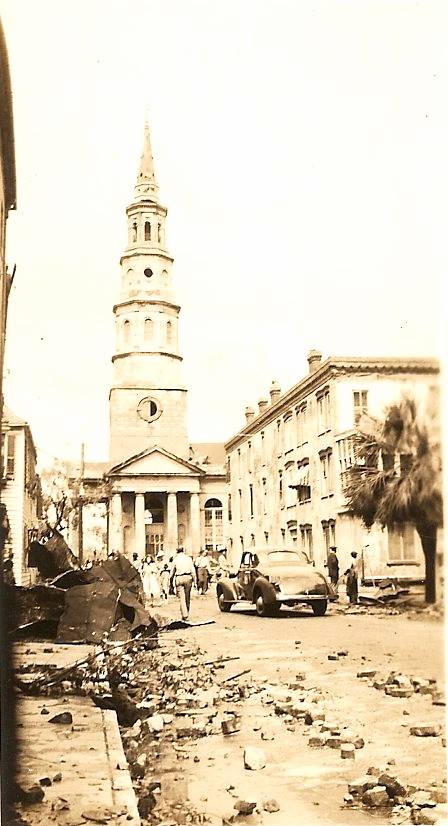
tornado, st. philips

Tornado damage of St. Philips Church

Five tornados crossed Charleston in the span of less than 90 minutes, 2 of which crossed the peninsula and 1 coming ashore on Sullivan’s Island. 32 people died and the damage was “estimated to be over $2 million.”

tornado 1938

View of tornado damage – looking up Market Street from the U.S. Custom House on East Bay Street.

1938 tornado001

Tornado damage on Market Street.

Today In History: September 28

1783 – Slavery

Capt. Joseph Vesey placed an advertisement in the South Carolina Gazette as “J. Vesey & Co.” which offered more than “100 Prime slaves from Tortola for sale every fair day except Sunday.”

1828 – Slavery

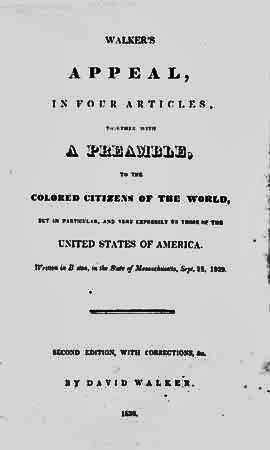
Appeal_1830_edition (1)David Walker, the free black from Charleston living in Boston, and former member of the AME Church with Denmark Vesey, published his Appeal to the Coloured Citizens of the World. It became one of the most important documents in the abolitionist movement.

 White reaction in the south was immediate, and harsh. Blacks in Charleston were arrested for distributing the pamphlet. The Georgia legislature announced reward of $10,000 to anyone who could hand over Walker alive, and $1,000 to anyone who would murder him.

1864

Gus Smythe, from his Confederate look-out post in the steeple of St. Michael’s wrote:

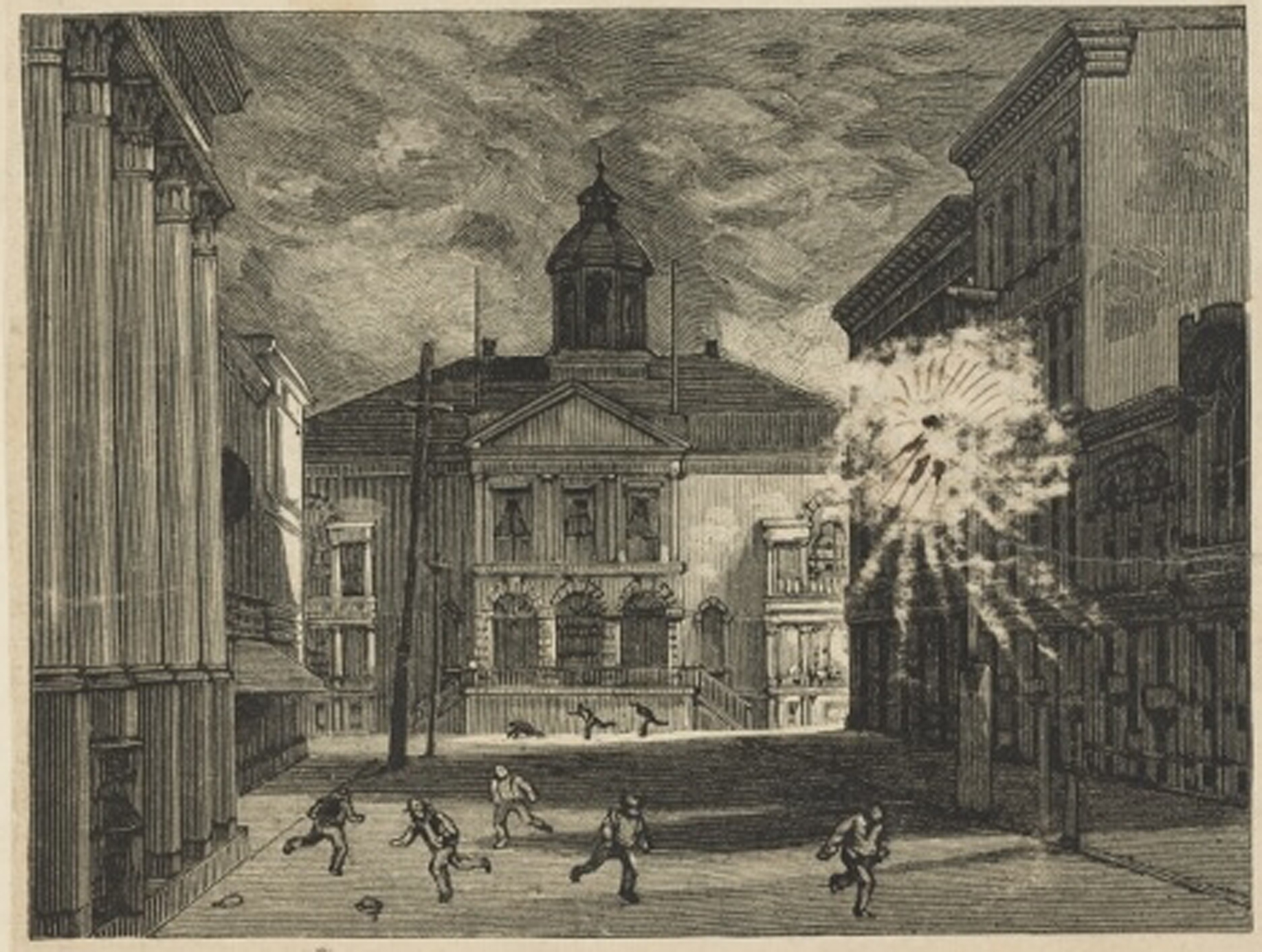
The Yankees are throwing in their shells at a tremendous rate, one every two or three minutes since 5o’c, now it is 10 p.m.  … Since 8 a.m. they have thrown 114 shells.

broad street shelling

Today In Charleston History: September 27

1671 – Indian Uprising.

Governor West and the Grand Council declared war against the Kussoes Tribe, living up the Combahee River. The Kussoes declared themselves allied with the Spanish and began raiding English properties. Within seven days, the English had defeated the Kussoes, killing some, and enslaving many, selling them to the West Indies.

1718 – Piracy.
bonnet-rhett

Pirate battle

Col. William Rhett sailed up the Cape Fear River from Charles Town with two ships, the Henry and the Sea Nymph. He was on a mission to root out pirates along the Carolina coast. In the late afternoon Rhett spotted a suspicious ship named the Royal James floating at anchor. The vessel tried to sail toward the open sea, but the Henry intervened and was able to maneuver the Royal James onto a shoal. In the process, both the Henry and Sea Nymph ran aground as well – all three ships were stuck and the tide was receding. The crews of all three vessels spent the overnight hours preparing for battle when the tide turned and daylight arrived.

col rhett and bonnet

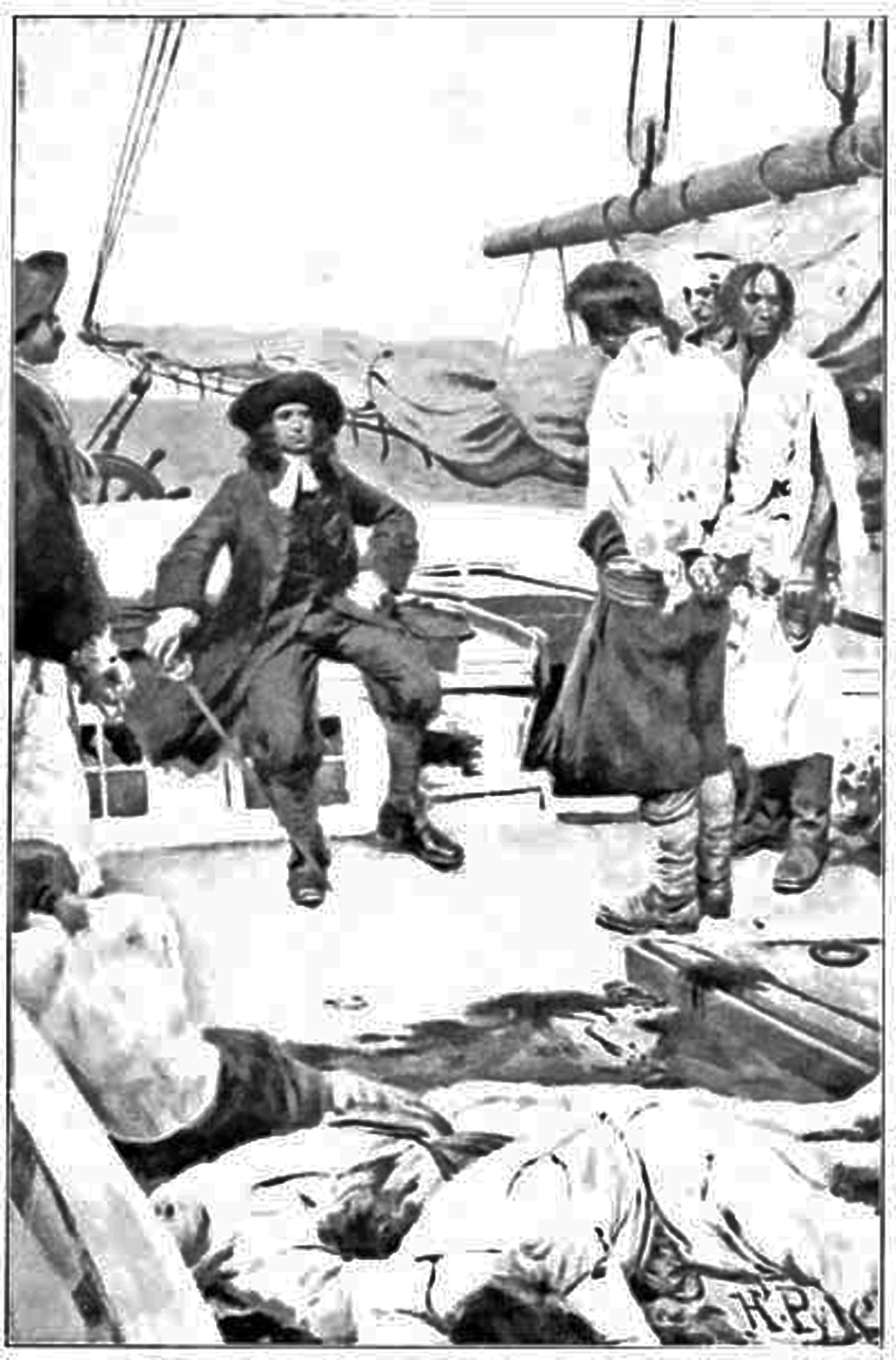
Stede Bonnet stands before William Rhett

The Henry was within firing range of the Royal James and as the tide gradually came in, the ships fought fiercely for two hours, cannons booming and muskets blazing. Rhett’s ships floated free first and they moved into position. The Charles Town men stormed the Royal James and overpowered the crew of thirty-five. Upon boarding the ship, Rhett discovered Stede Bonnet – wanted for the Blackbeard blockade four months before.

The Carolinians suffered eighteen dead and twenty-eight wounded. The pirates lost nine of their crew with two wounded. Most of the surviving pirates were hanged in Charles Town in November.

1805 – Deaths.

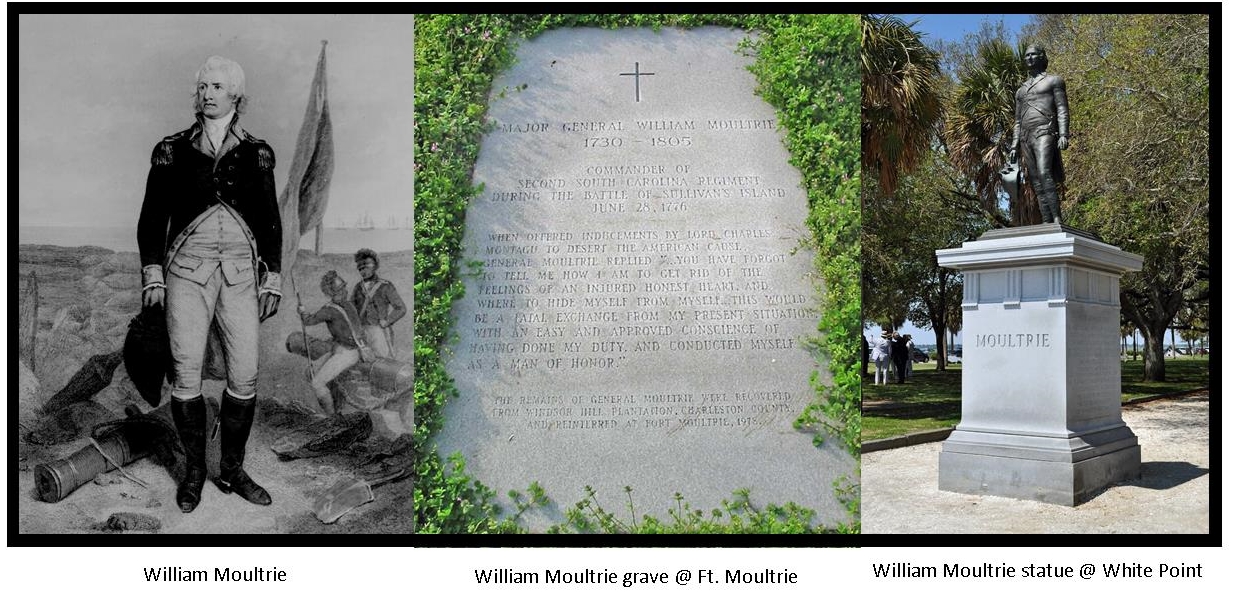
Gen. William Moultrie died at the age of 74 and was buried outside Charleston in what is now North Charleston in the family cemetery on his son’s property at Windsor Hill Plantation off Ashley Phosphate Road. His body was later reinterred at Ft. Moultrie.

moultie image

Today in Charleston History: September 26

1691

The Assembly ratified the proposal that allowed Carolinians to pay their taxes in rice, as well as other goods.

rice field

1775 – American Revolution – Continental Congress
Edward_Rutledge

Edward Rutledge

 Edward Rutledge proposed that Gen. Washington “discharge all the Negroes as well as Slaves and Freemen in his Army.” Rutledge was concerned about the example that armed black men would furnish to South Carolina’s large slave population. The resolution was defeated.

Today in Charleston History: September 25

1819

Rev. Samuel Gilman married Caroline Howard in Georgia and the couple returned to Charleston. They quickly became important figures in Charleston’s social and literary circles. Samuel supported his wife’s literary aspirations but expected her to fulfill her traditional role as a minister’s wife. He had reservations about women who “chose to move on the agitating theatre of public life.” He felt her role was to “impress among the tender minds of youth the precepts of religion.”

 1864

 Gen. Pierre Gustav Beauregard returned to Charleston. The Federals learned of his presence almost immediately. Morris Island Union commander, Gen. Rufus Saxton, wrote, “I propose to give General Beauregard a salute in Charleston this evening from my 200-pounders.”

illustration