Today In Charleston History: April 24

1707

On Easter Sunday, Dr. Francis Le Jau conducted communion at St. Philip’s. He was dismayed that only twenty-four people received the sacraments.

1780 – The Siege of Charlestown

At dawn, Lt. Colonel William Henderson attacked the British lines with 200 men – South Carolina and Virginia Continentals.  They caught the British troops completely by surprise, killing several with bayonets before retreating. The attack “was done in a few Minutes without our partys firing a Single Gun & in the greatest order.” Capt. Thomas Moultrie (brother of Gen. William Moultrie) and two privates were killed. 

At the same time Cornwallis marched on the American garrison in Mt. Pleasant at Haddrell’s Point and “found no resistance.” The British control of the eastern side of the Cooper River effectively cut off Charlestown’s communication with the back country, and Gov. Rutledge.

1860- Road to Secession.

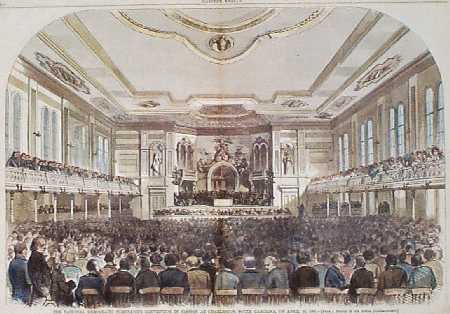
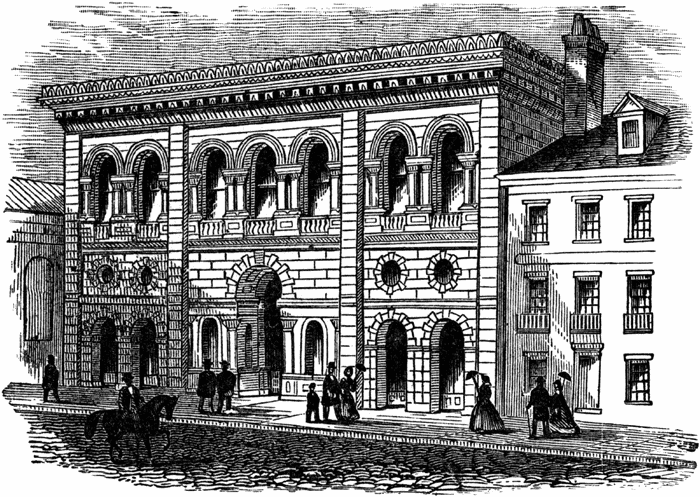
Democratic National Convention convened at South Carolina Institute Hall. Caleb Cushing of Massachusetts presided over the proceedings. It was a volatile convention as most of the delegates were split along sectional lines. In his opening remarks Benjamin Perry of South Carolina said that “we have a duty to guard [the South] against evils which no one can forsee or foretell” and urged them to choose a candidate who would sustain the Union. His speech was greeted with hissing from the crowd.  

South Carolina Institute Hall, street view, (Harper's Weekly)

South Carolina Institute Hall, street view, (Harper’s Weekly)

1860 Democrat Convention (Harper's Weekly)

1860 Democrat Convention, interior view of Institute Hall (Harper’s Weekly)

Today In Charleston History: April 23

1672-England.

King Charles II bestowed upon Anthony Ashley Cooper the titles, Earl of Shaftesbury and Baron Cooper of Paulet.  

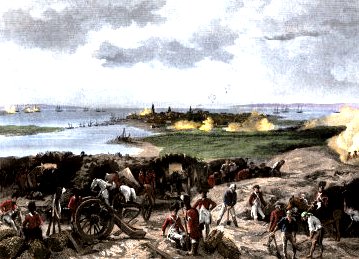
1780-The Siege of Charlestown.
Siege of Charlestown

Siege of Charlestown

The British were close enough to “easily throw a stone” into the American line trenches north of Boundary Street.  Rifle fire was added to siege, in addition to the artillery barrage. 

1782-Slavery

Capt. Joseph Vesey returned to Haiti with another cargo of slaves. He was informed that his former “pet”, Telemaque, was suffering from “epileptic fits” and a doctor had “certified that the lad was unwell.” His sale was “thereupon cancelled,” meaning that Vesey was forced to repurchase the boy, and was surprised to find that within a few months, the boy had become proficient in the French language.

Vesey put Telemaque back to work again as his cabin boy and miraculously, the epileptic fits ceased as soon as they sailed from Haiti. Vesey must have seen this as more proof of the boy’s intelligence and cleverness, and decided he would be more valuable as his personal servant.

1840 – Marriage

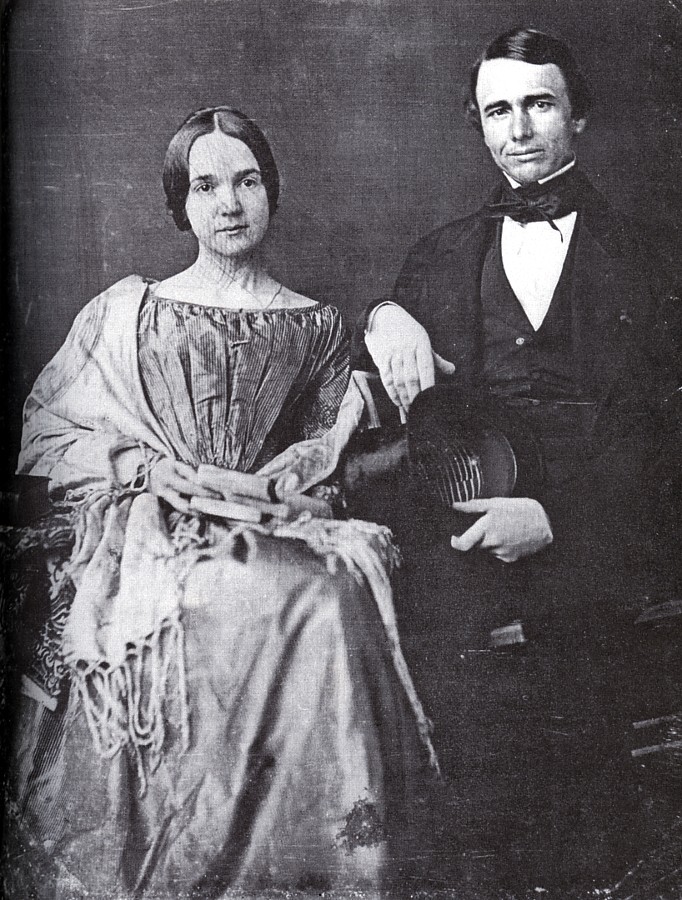
Mary Boykin Miller married James Chesnut, Jr., who was from one of the wealthiest families in the South. The Chesnut family owned 448 slaves and plantations totaling nearly five square miles.

james_mary_chesnut

Today In Charleston History: April 22

1807-Slavery.

The Charleston Courier noted:

A Jury of Inquest was held yesterday, on the body of an African woman, found floating at Craft’s north wharf. The jury brought in a verdict that she came to her death by the visitation of God and supposed her to belong to some of the slave ships in the harbor, and thrown into the river, to save expence (sic) of burial.          

1853 – Slavery

Reuben Roberts, the British Negro sailor, imprisoned in May 1852 sued the sheriff of Charleston, Jeremiah D. Yates, for “for assault, battery, and false imprisonment, the damages being laid at four thousand dollars.” It was a direct challenge of the 1835 Seaman’s Act.

James Petigru

James Petigru

Roberts was represented by the firm Petigru and King, and the sheriff was defended by Attorney General Issac Hayne, with Christopher Memminger and Edward McCready as special counsel.  The Charleston Courier reported:

Although in form an ordinary private action for damages, it is known to all that the case involves and depends upon the constitutionality and validity of the several laws of South Carolina relating to the colored seamen and immigrants …

Ultimately, Petigru won a decision in which British Negro sailors were allowed to stay on board their ships while in port and not arrested.

Today In Charleston History: April 21

1704 – Births
Jeremiah-Theus-xx-Gabriel-Manigault-1757

Gabriel Manigualt by Jeremiah Theus (1757)

Gabriel Manigault was born in Charlestown, son of French Huguenot Pierre Manigault and Judith Gitton. He would become the city’s most successful merchant.

1759-Slavery.

A slave in Charleston:

who at the beginning of last Month most cruelly murdered several white People at the Congarees was hung in Chains … at the dividing Path between the two Quarter-House.

1768

The Commissioners of Fortifications called for bids to construct a more substantial seawall at White Point.

1775 – American Revolution – Foundations.

The “Secret Committee of Five,” seized the public gun powder at several magazines, including Hobcaw on the Charleston Neck, and the arms in the State House at the corner of Broad and Meeting Streets. In all they stole 800 guns, 200 cutlasses and 1600 pounds of powder.

1782 – Marriage
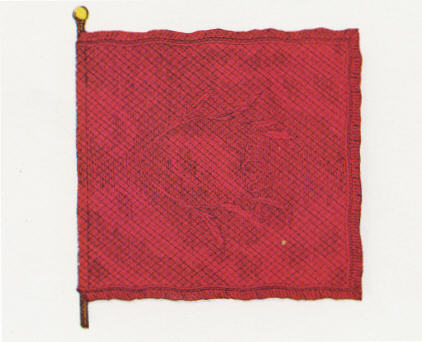
Eutaw

Eutaw Flag

Col. William Washington married Jane Elliott of Sandy Hill, South Carolina. Elliott and Washington met when she made his regiment a battle flag (the “Eutaw Flag”) that he carried into combat from Cowpens to Eutaw Springs.

1833Slavery.

William Turpin emancipated his slaves in his will. He left Jenny a two-story brick house on Society Street. He left a “brick house on Magazine Street to five slaves who were to collectively occupy it.” Sarah Gray, a white woman, was allowed to use “one tenement in the house on condition only, that She Shall Reside therein, and act as Guardian & protector to theses coloured people.”

1920 – Preservation Society Formed 

In the spring of 1920, local Charleston activist Susan Pringle Frost began a campaign to save the 1802 Joseph Manigault house, slated for demolition at the time. On April 21, 1920, thirty-two concerned citizens meet at 20 S. Battery and agree to join forces in the fight for responsible preservation of Charleston as the Society for the Preservation of Old Dwellings. Now called the Preservation Society of Charleston it was the first locally-based historic preservation organization in the nation.

In 1931 the Society was instrumental in persuading Charleston City Council to pass the first zoning ordinance enacted to protect historic resources. The ordinance established the first Board of Architectural Review and designated a 138-acre “Old and Historic District”. The ordinance limited alterations to the exteriors of historic buildings and made provision for prosecuting violations. In 1957 the Society took on its current name to reflect an expanded mission to protect not only dwellings but all sites and structures of historic significance or aesthetic value.


Today In Charleston History: April 20

1780The Siege of Charlestown

Gen. Lincoln convened the council of war in Charlestown. He informed his officers that the Continental garrison had ten days of provisions left and discussed offering terms of capitulation to British general, Sir Henry Clinton – surrendering the city. His terms were:

  • The American army withdrawing from Charlestown within thirty-six hours, keeping their arms, artillery and all stores they were able to transport.
  • Sir Clinton was to allow the Americans ten days “to march wherever Gen. Lincoln may think proper … without any movement being made by the British troops.”
  • Security to the persons and property of the citizens

Clinton rejected the terms, considering the offer “insolence.” At 10:30 pm the British resumed their bombardment, firing more than 800 rounds into the city.

1789 – Charleston First.

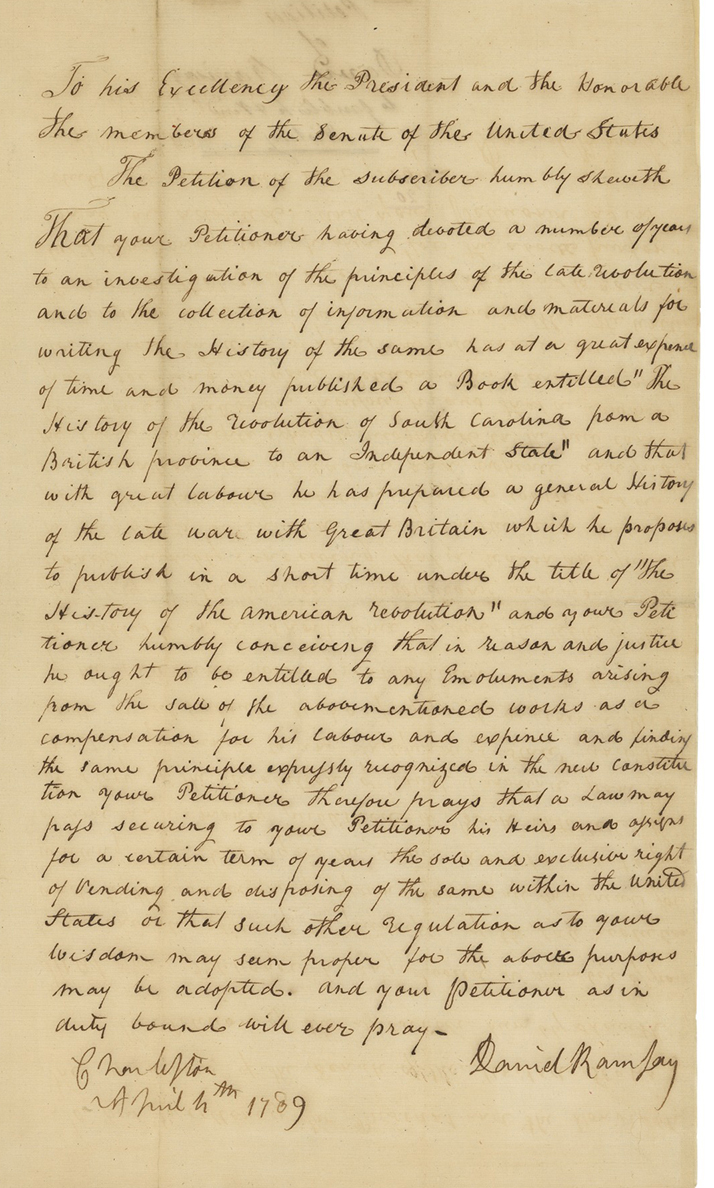
Ramsay's petition to Congress. National Archives

Ramsay’s petition to Congress. National Archives

Dr. David Ramsay filed a petition with the House of Representatives asking Congress to pass a law to grant him the exclusive right of “vending and disposing” of his books within the United States. The Congressional committee approved his petition on April 20, 1789 – the first private citizen granted a copyright.

1828-Religion.

Angelina Grimke wrote in her diary:

Today is the last time I expect to visit the Presbyterian Church – the last time I expect to teach my interesting class in Sabbath School. I saw Mr. McDowell day before yesterday … and told me that he pitied me sincerely for that I certainly was under the delusions of the arch adversary…

She began to attend the Quaker Meeting House which had two members – two elderly men who never talked to each other. Angelina discovered that one of the men was a slaveholder and had cheated the other man out of a sum of money. When she tried to facilitate a reconciliation by telling them “Christians ought to be gentle and courteous to all men,” they called her  “busybody in other men’s business.” 

1864-Bombardment of Charleston. 

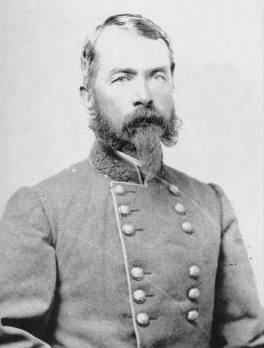
Sam_Jones

Gen. Samuel Jones

Gen. P.G.T.Beauregard was relieved from the Charleston command and replaced by Major General Samuel Jones, Beauregard’s former major of artillery at Manassas.  Jones was not considered a good officer. He had not impressed Gen. Robert e. Lee, who had him transferred to Charleston. Beauregard wrote, “I hope he will do, but from what I hear I fear not.” Beauregard had longed complained about the quality officers assigned to Charleston, calling it the “Department of Refuge.”

1903 – Washington Race Course  

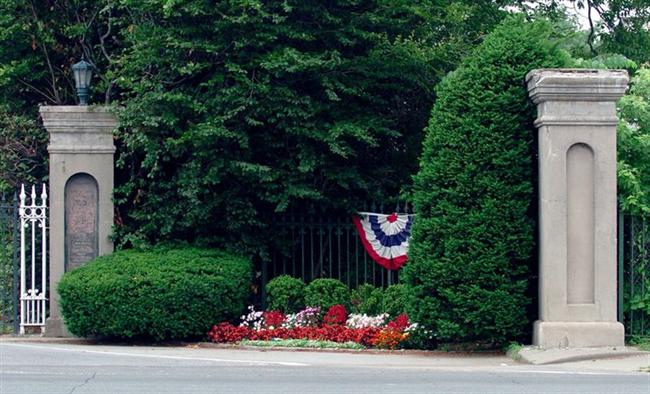
The city of Charleston donated the four gateposts of the Washington Race Course to August Belmont of New York, who was planning to build the largest horse-racing facility in the country – Belmont Park. The posts were made of brick and weighed ten tons each. During their removal one of the columns slipped from a wire and William Mosimann had “the life mashed out of him.”

The “gift” to a Yankee millionaire was not universally popular among the people of Charleston. A letter to the editor in the News and Courier complained:

It seems to me that we have relics to burn … too much history and too many landmarks. We should be glad that Mr. Belmont has accepted the brick pillars and we might give away the old City Wall, the old Postoffice [sic], the Powder Magazine and a score of other relics that hamper our progress.  

 Other editorials described the pillars as “valued souvenirs of past peculiarities of a peculiar people” and “relics of a glorious past.”

Today the brick pillars are located at the automobile entrance of the Belmont Park clubhouse in New York. The bronze plaque on the left pillar reads: 

Pillars at Belmont Park

Pillars at Belmont Park

Presented to Belmont Park May 1903 by the Mayor and Park Commissioners of the City of Charleston SC.  At the suggestion of B. R. Kittredge Esq. and through the good offices of A. W. Marshall Esq. These piers stood at the entrance to the grounds of the Washington Course of the South Carolina Jockey Club Charleston SC. Which course was opened Feb. 15th 1792 under presidency of J. E. McPherson Esq. and was last used for racing in December 1882. Theo. G. Barker Esq. being then president.

Today In Charleston History: April 19

1672 – Politics

Sir John Yeamans

Sir John Yeamans

Sir John Yeamans was proclaimed Governor at Charles Town. In the commission letter the Proprietors praised Joseph West’s service, but noted

the nature of our government … required that a Landgrove (titled landowner) should be preferred to any Commoner.

1672 – Move to Oyster Point

Ashley Cooper also gave notice that the settlement should permanently move from Albemarle Point to Oyster Point. The Albermarle settlement did not adhere to the “Grand Modell” specified by the Proprietors. The peninsula, formed by the confluence of the Ashley and Cooper Rivers, also created natural harbor, perfect for a commercial port. Lord Ashley ordered that the new town be:

layd out into regular streets … six score squares of 300 feet each … the great street should not be less than 100 or six score feet broad; the lesser streets none less than sixty; alleys eight or ten feet.

Each owner of a lot was required to “build a house of two stories in height and at least 30 feet by 16 feet.” One could make the case that this plan of wide, regular streets, laid out in “broad and straight lines” was influenced by Sir Christopher Wren’s checkerboard plan for rebuilding London after the 1666 fire.

1732 – First Concert

The first advertised concert in Charlestown appeared in the Gazette as a “consort [concert] of Musick at the Council Chamber, for the Benefit of Mr. Salter.

1770 – Slavery

An advertisement appeared in the South Carolina Gazette for this runaway slave:

CAESAR: Absented himself from my Plantation . . . plays well on the French horn. 

Today In Charleston History: April 18

1780-The Siege of Charlestown

Gen. Clinton ordered 2300 British troops to Mt. Pleasant, in order to control the eastern side of the Cooper River. He named Lt. General Cornwallis commander of that force.

1815

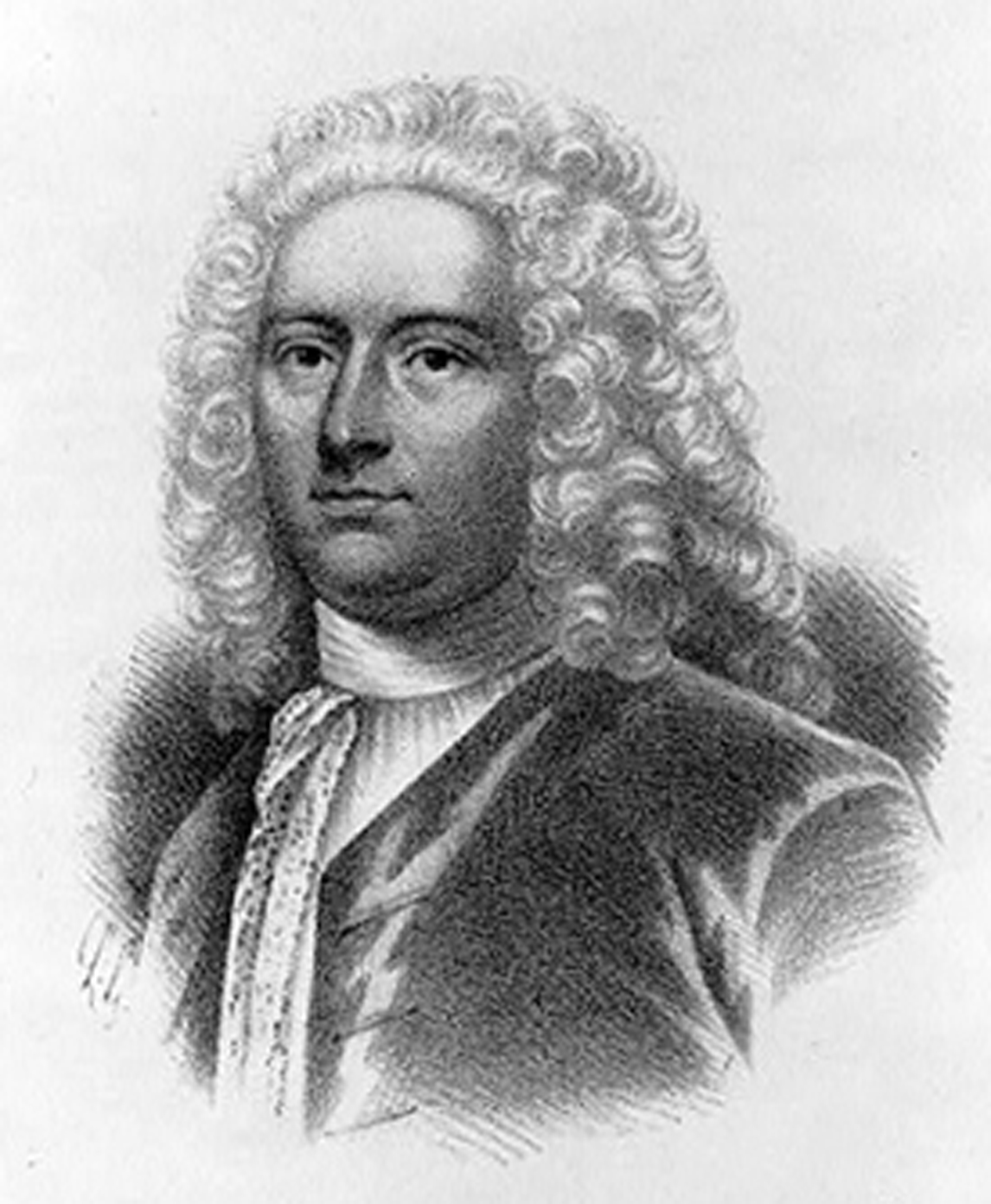
Dr. David Ramsay

Dr. David Ramsay

Dr. David Ramsay was appointed by the court to examine William Linnen, a tailor known for serial litigation and nuisance suits against lawyers, judges and juries.  After Linnen had attempted to murder his attorney Ramsay examined Linnen and reported to the court that he was “deranged and that it would be dangerous to let him go at large.”After apparently regaining his sanity, Linnen was released and threatened Ramsay. The doctor did not take the threat seriously.

1905

The first professional baseball game in Charleston took place on the new baseball field at Hampton Park.

1926

The City of Charleston paid $75,000 for the forty-three acre West Point Rice Mill site.  The property became the heart of a series of projects to be funded by the federal government. Each of these schemes proposed reuse of the main mill building, and it was preserved from demolition.

West_Point_Rice_Mill,_Ashley_River,_Near_Calhoun_Street,_Charleston_(Charleston_County,_South_Carolina)

West Point Mill

Today In Charleston History: April 17

1763 – Marriage

Lord William Campbell, a captain on the HMS Nightingale stationed in Charlestown, married a South Carolina heiress, Sarah Izard. Campbell would later serve a short term as South Carolina’s last Royal governor before being unceremoniously run out of town in 1775.

1775

The “Secret Committee of Five,” organized by the First Provincial Congress, headed by William Henry Drayton and Arthur Middleton, seized the mail arrived from England on the Swallow. The official British dispatches made it clear that British authorities would not hesitate to use force to keep and restore order in the colonies.

1806 – Births

WGSimms

William Gilmore Simms

William Gilmore Simms was born in Charleston. His mother died soon afterward and his father joined Coffee’s Indian Fighters so Simms was raised by his grandmother, Jane Miller Singleton Gates, who told him stories of Indians, pirates, the colonial era, and the American Revolution, thereby stimulating his imagination and furnishing him with a vast fund of material on which he would draw for his later writing.

His writings achieved great prominence during the 19th century, Edgar Allan Poe declared Simms to be “The best novelist which this country has, on the whole, produced” and “immeasurably the greatest writer of fiction in America”.  His short story collection, The Wigwam and the Cabin, was singled out by Poe as “decidedly the most American of American books.”  He is also remembered for his strong support of slavery and for his opposition to Uncle Tom’s Cabin, in response to which he wrote reviews and a pro-slavery novel, The Sword and the Distaff.

At first, Southern readers, especially those in his home town of Charleston, did not support Simms’s work because he lacked an aristocratic background. Eventually, however, he was referred to as the Southern version of James Fenimore Cooper, and Charleston residents then invited him into their prestigious St. Cecilia Society.

1937 – Eleanor Roosevelt in Charleston

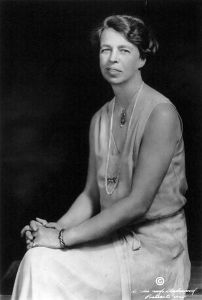
Eleanor Roosevelt wrote a series of newspaper columns. Here is the column of her day in Charleston.
eleanor roosevelt

Eleanor Roosevelt

CHARLESTON, S.C., Friday—We had tea yesterday afternoon with my friend Mrs. Huntington. The only other guests were the Mayor and Mrs. Maybank, Miss Pinckney, Mrs. Camman, and Dr. Canby. It was a nice, leisurely tea, served in an exquisite old china tea set, and everyone went at intervals to look at the changing light in the garden. Charleston is a leisurely place, and it was seriously suggested that I remain over a few days in order to see the vine at the back of the house in full bloom. It would be a lovely sight, but I receive the Children of the Revolution next Monday in Washington.

It was cloudy in the evening and rained hard during the night, but this morning brilliant sunshine greeted us again. Mrs. Huntington came for us, and we have visited houses and gardens to our heart’s content all morning. I have never seen a greater wealth of carved woodwork and panelling and more beautiful mantelpieces. The houses which have been restored seem on the whole to have been done with extraordinary taste and feeling, and the gardens, with their high walls and careful planting, give one a sense of complete privacy. One gentleman pointed out some interesting facts. As we looked back from one corner of his garden, we seemed to get a vista of an endless number of tree tops going on into a far distance, and he remarked: “That has been done so cleverly in Charleston. You get a sense of infinite space, even in small gardens.”

We ended up our morning by a look at Catfish Row, which, they tell me, was originally called “Cabbage Row,” and a rather hurried visit to the Heywood House. Now we are off in a few minutes to lunch with an old friend, Mrs. Victor Meyrowitz, and this afternoon we will visit St. Philip’s and St. Michael’s churches and the City Hall, where they have a museum and some historic portraits after which we are to have tea with the Mayor and Mrs. Maybank. There seem to be an endless number of trips, so that we are sorry we have to leave early tomorrow morning. It will be a long run tomorrow, for we have to be in Washington by noon on Sunday.

I am taking back with me a most interesting looking book called A Carolina Rice Plantation of the Fifties. It contains some lovely reproductions of water colors by Alice R. Huger Smith and the tale at the end of life as it was lived in the old plantation days, given in combination apparently by Herbert Ravenel Sass and D. E. Huger Smith.

People have been endlessly kind and have invited us to do so many things that I wish we could forget that there is such a thing as work, even when one is on a vacation. We have, however, devoted our evenings to doing the mail and such other pieces of work as we had brought with us. I am not going back with a clean slate, but I have done a few things.

Sometime this Summer I must spend several days in the kitchen, for I’ve been given Two Hundred Years of Charleston Cooking, a superlative cook book, and the call to try some of these delicious sounding dishes is going to be more than I can withstand.

Today In Charleston History: April 16

1766-Slavery

Christopher Gadsden wrote to William Samuel Johnson, a Connecticut lawyer, about his concerns over the large black population and the constant threat of a revolt.  Gadsden said he hoped that “in the case of South Carolina, the enslavement of blacks would not cause the enslavement of whites.”

1767
Irish architect James Hoban arrived in Charleston from Philadelphia. He was contracted to rebuild the a court house on the ruins of the old State House. President George Washington admired Hoban’s work on his Southern Tour, where he met the young architect in Charleston in May 1791. Washington summoned the architect to Philadelphia, in June 1792, where he was chosen to design and build the White House. 
Both the Charleston County Courthouse and the White House were modeled on Leinster House, the current Irish Parliament Building.
1780-The Siege of Charlestown

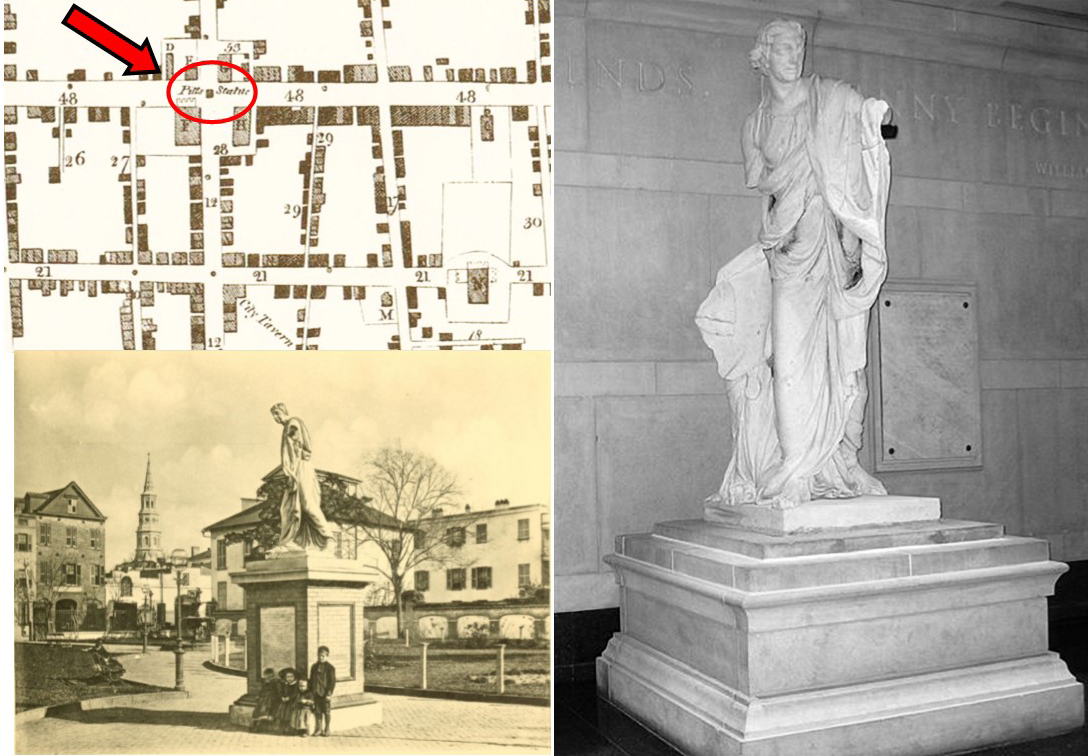
pitt statue

LEFT TOP: Map with Pitt statue location. LEFT BOTTOM: Pitt statue in Washington Park. RIGHT: Pitt statue at its present location – Charleston County Courthouse.

A British cannon, fired from the James Island battery, shot off the arm of the statue of William Pitt in the intersection of Broad and Meeting Streets. After the war, the statue was later moved to the Grimke house at 321 East Bay Street. In 1808 it was moved to the Charleston Orphan House and in 1881 moved again to Washington Park. Presently it stands inside the entrance of the new Charleston County Court House.

At this time, the Americans had 4200 men in Charlestown fit for duty while the British counted 8300.

1919 – First Air Show

The first air show was performed in Charleston. It was a promotional tour by the Victory Liberty Loan program that featured eleven planes that were shipped to Hampton Park in pieces. The wings were assembled to the plane’s fuselage in the park.  Most of the pilots were former World War I and thousands of people show up to watch the “thrilling stunts and turns … turning loops … and a daring nose spin.” It was called an “impressive demonstration of the battling power of the airplane.” The local newspapers also reported that:

Interest in the part of the spectators was by no means confined to the machines, the aviators coming in for their share of curiosity, especially by members of the fair sex.

air show

Today In Charleston History: April 15

1715 – Yemassee War

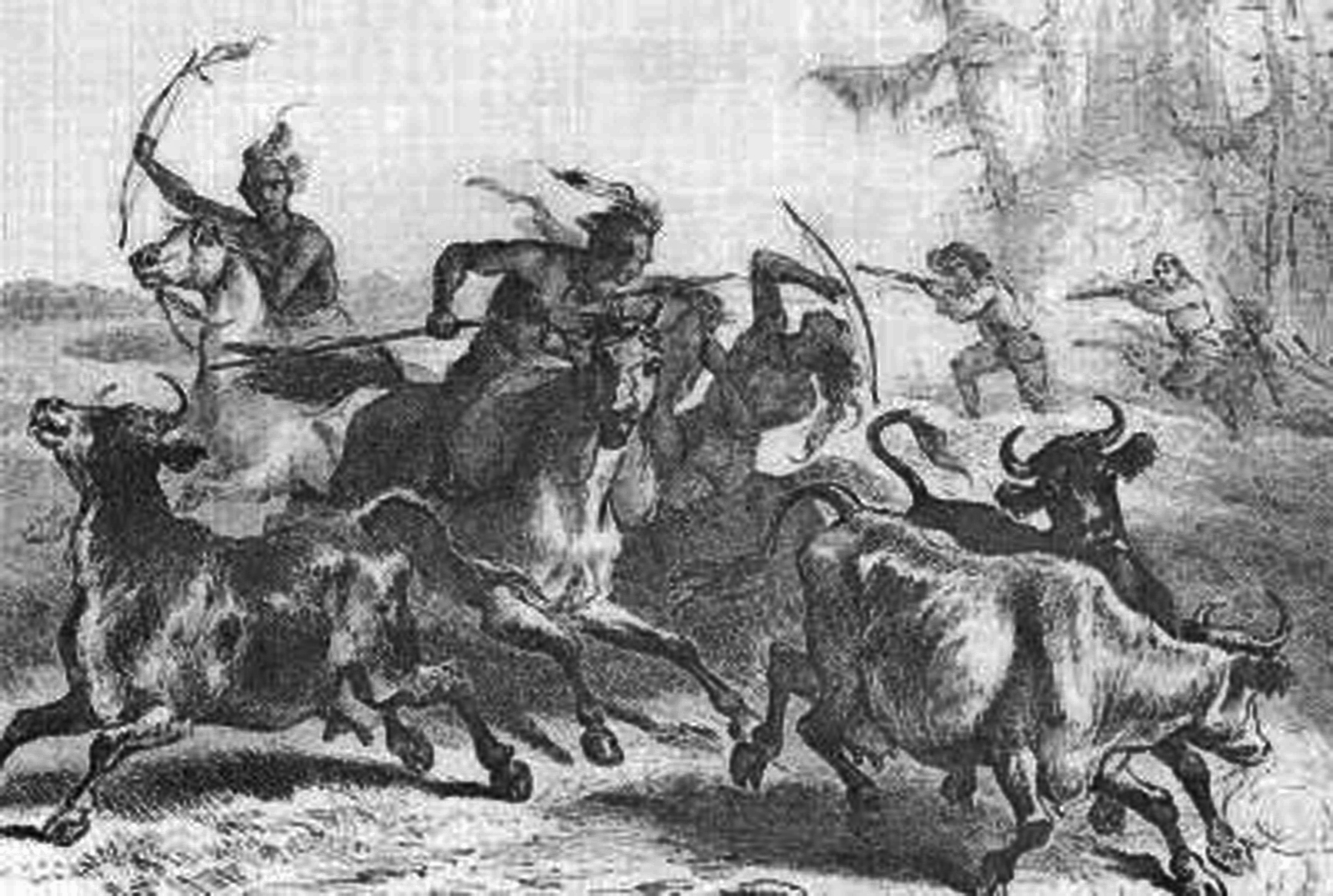
At this point, many of the Lowcountry Indian tribes were deeply indebted to the English. Unscrupulous traders in London and Charles Town overextended credit to the Indians, hoping to force them to pay in land concessions.  The Yemassee were also unhappy with the town of Beaufort being settled in the middle of their territory. As the pressure to collect the debt increased, the Indian agents often resorted to cruel practices – cheating, beatings, and the raping of their women.

On April 14 a Charles Town delegation was arrived to negotiate with the Yemassee tribe. After the first day’s negotiations the delegation retired for the night. Before dawn the next morning the Yemassee attacked the sleeping colonists who were then ritually tortured and murdered. The Indians then divided themselves into two war parties. One attacked Beaufort. About 300 whites were able to take refuge on a ship in the Port Royal River while the Yemassee burned most of the town. 

Yemassee War

Yemassee War

The other Yemassee party marched through St. Bartholomew’s Parish, burning houses on the way, killing 100 people.

Governor Craven declared martial law, laid an embargo on all vessels, impressed men and property into service for defense and appointed Robert Daniel deputy governor to administer the colony while Craven was at the front.

Terrified of being attacked, the Assembly took an unprecedented action – they armed 400 black slaves to join a force of 500 white men. The site of armed Negros marching through Charles Town frightened them as much as the possibility of Indian attack.

1864-Bombardment of Charleston

Gus Smythe

Gus Smythe

Gus Smythe discussed the looting in the abandoned houses in Charleston, south of Broad Street:

Our own soldiers are doing us more damage than the shells. I should much prefer a shell to go thro’ the house than to let them do so. They just roam at will now through the whole lower portion of the city. Our house and Mr. Middleton’s [1 Meeting Street] below Broad are the only two in Meeting Street below Broad which have not been entered. Our stores on the wharf have not been seriously injured, but soldiers have been in there also. They have done three times the damage to the city that the shells have done.