Today In Charleston History: April 2

1737- Slavery.

The disproportionate numbers of Negro slaves versus white settlers began to concern some citizens. In a letter to the South Carolina Gazette, a writer called “Mercator” argued about the danger of the “importation of Negroes.” He argued that in the four years past there had been imported 10,447 Negroes and in the four years before only 5153. He suggested that some method to prevent the large importation of Negroes must be speedily adopted or else there would be “the most fatal consequence to the province.”

1776
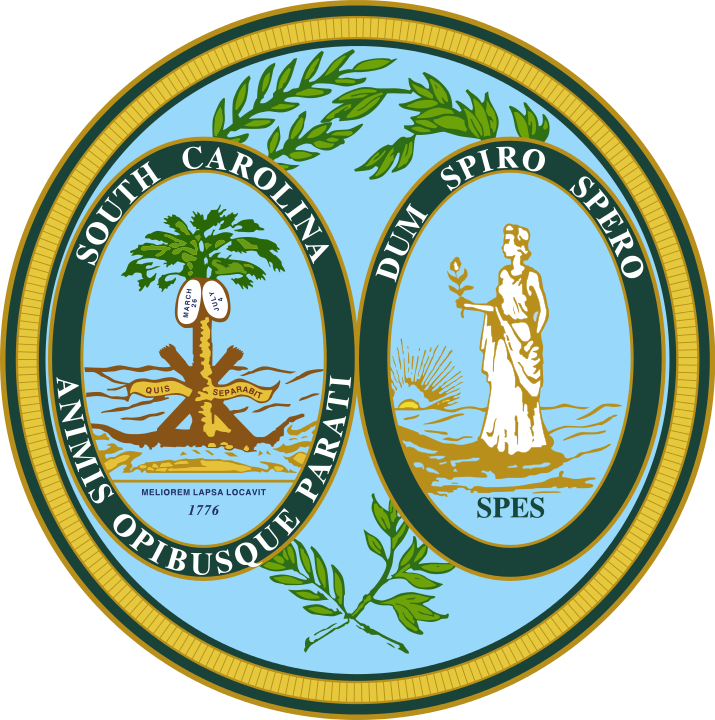
Seal of South Carolina

Seal of South Carolina

A state seal of South Carolina was authorized to be designed by Arthur Middleton and William Henry Drayton.

1783

Charles Pinckney returned to Charlestown and lived at 2 Orange Street, and helped his mother with his father’s estate. The will reserved property valued at £53, 000 and stipulated that “sixty of the worst of my plantation slaves” be sold to pay his debts. He left his mansion on Queen Street to his son, Charles. The remainder of his estate – three plantations, Fee Farm and Drainfield in St. Bartholomew’s Parish and Snee Farm in Christ Church – were to be divided equally among his wife and children.

1864-Bombardment of Charleston.

In a letter to his Aunt Janey, Gus Smythe wrote:

I have got the most responsible post in the Signal corps here & the most dangerous when they are shelling, for they avowedly make this steeple their mark when firing & have made some very close shots. To look down on them from here, all around the foot of the Steeple, in the grave yard, Streets, City Hall, Court House, Guard House & houses, it seems & is miraculous that so far they have missed. I only hope they continue to do so, for tho’ there may be some “glory” there will be little pleasure in tumbling down with the Steeple.

1902
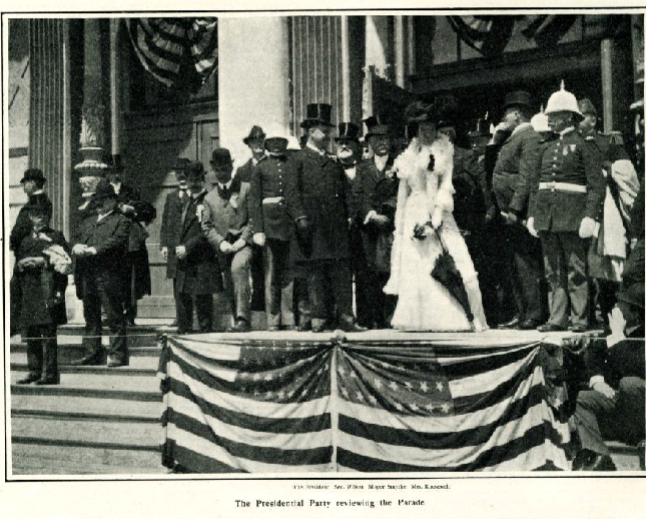
roosevelt, expo

Pres. Roosevelt at the Expo

President’s Day at the South Carolina West Indian Exposition with President Teddy Roosevelt visiting the Ivory City. Thousands of people lined the streets while a parade of three thousand representing all branches of the military marched to the Exposition. The president gave a speech and attended a luncheon at the Woman’s Building.
Today In Charleston History: April 1

1766-Stamp Act. 

South Carolina courts shut down, due to lack of stamped paper. Lawyers presented a petition to hold court without stamped paper. They stated:

We claim our rights under Magna Carter, the Petition of Rights, etc … We cannot think ourselves bound by the Stamp Act, which annihilates our natural as well as constitutional rights.

Chief Justice Skinner held that the court had no power to question the authority of an act of Parliament and the fact that there was no stamped paper because of unlawful demonstrations by the people was no excuse not to follow the law.

1780 –The Seige of Charlestown.

Under cover of darkness, 3000 men marched from the British camp at Gibb’s Landing toward Charlestown. – including 1500 laborers. They stopped 1000 yards from the city’s fortifications and began construction of their seigeworks. Due to the sandy soil “the work went quickly” and within one night Gen. Clinton was amazed they “completed 3 Redoubts and a communication without a single shot.”

The following morning, Samuel Baldwin of Charlestown wrote: “We were surprised … at the sight of the works thrown up by our neighbors during the night.”

1844 – Politics

John C. Calhoun became Secretary of State in John Tyler’s Cabinet.

1927 – Doin’ the Charleston

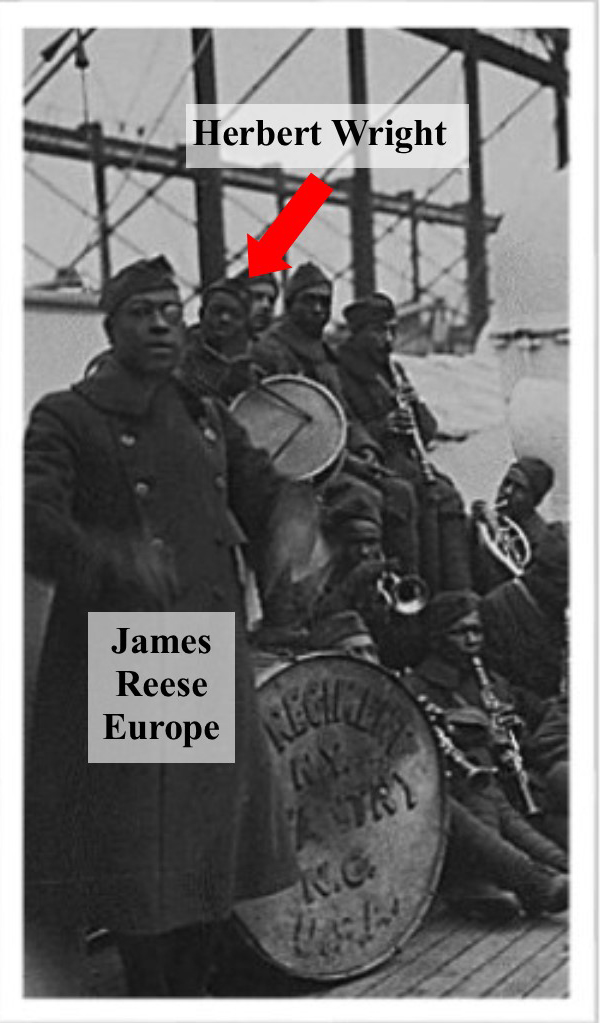
Herbert Wright of the Jenkins Orphanage was paroled on April, 1927. In 1919 he pled guilty to manslaughter and was sentenced to ten to fifteen years in the Massachusetts State Penitentiary.

Harlem Hellfighters Band

Harlem Hellfighters Band

Wright had committed a murder that shocked the nation. He had murdered band leader, James Reese Europe, backstage at Mechanics Hall in Boston. Europe was the leader of the Harlem Hellfighters Band, an outfit which had performed across Europe during World War I and has been credited in introducing jazz music to France. The Hellfighters Band was also the first black group to record music. The band included four members of the Jenkins Orphanage Band – Steve and Herbert Wright (the Percussive Twins), Amos Gaillard (trombone) and Gene Mikell (asst. director).

Read more about James Reese Europe’s life here. 

To learn the complete story of the Jenkins Orphanage Band, the Harlem Hellfighters and the murder of James Reese Europe, read Doin’ the Charleston.

doin' the charleston