FADE: A Review

Why is Robert Cormier marketed to Young Adult audiences? His books explore disturbing subjects, dark themes, and create a generally bleak tone. Thomas Hardy has nothing on Cormier for tragic conclusions. And, not withstanding the constant presence of The Chocolate War, on must-read lists for Young Adults, Fade may be Cormier’s best book.

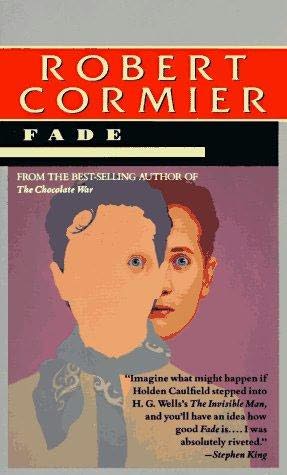
Fade_Robert_Cormier_novel_coverSUMMARY: At the age of thirteen, Paul Moreaux discovers that he can turn invisible. Paul, a sensitive and thoughtful working-class boy, doesn’t even realize it when he first gets The Fade. On a dare, he spies on a meeting of the Ku Klux Klan. (This is the 1930s, and anti-Catholic/anti-immigrant sentiments are running high against Paul and the other citizens of Frenchtown.) When the meeting is ambushed, a crazed Klansman discovers Paul and tries to kill him– but inexplicably, he somehow loses sight of his intended victim.

What Paul doesn’t realize is that he has inherited the ability to turn invisible. Sometimes it’s useful, as when escaping from Klansmen and bullies; more often it’s horrible, as when spying upon people who reveal secrets Paul never wanted to know. One male in his family has inherited this “gift” for several generations. Paul at least has guidance from an uncle, also a Fader. 
The invisible teenaged Paul slowly discovers that his “gift” only helps him learn quickly the tragedy of human existence; he is doomed to lead a life marked by violence, madness, and despair, with relief coming only when health complications from the invisibility cause him to die, lonely and young and unmourned.

A generation later, Paul’s own nephew Ozzie has no such counseling, because Paul doesn’t know he exists; the child had been secretly given up for adoption. Unfortunately Ozzie was raised by a physically abusive father, and when Ozzie discovers his Fading powers, after years of beatings and neglect, the results are terrible, with “terrible” meaning “like Stephen King’s Carrie on prom night.”

Thoughtful, horrific and suspenseful. Highly recommended!

Companion Read: Jumper by Steven Gould. (Note: do not let the bad movie based on Jumper keep you from reading it.)

 4 palmettos

Today In Charleston History: August 4

 1781 – British Occupation.

At 5:00 p.m. Col. Issac Hayne “was escorted by a party of soldiers to a gallows erected within the lines of the town with his hands tied behind, and there hung up till he was dead.” David Ramsay reported:

The military escort consisted of three hundred men. The place of execution was just without the city-lines, near Radcliffe’s Garden, nearly in front, and within a stone’s throw of the present Orphan House building. The troops formed a hollow square around the scaffold, the British troops occupying the front and rear, the Hessians on the right and left.

During the march through the city “the streets were crowded with thousands of anxious spectators.” Someone in the crowd called to Hayne “Exhibit the example of how an American can die!” Hayne replied, “I will endeavor to do so.”

gs_hayne

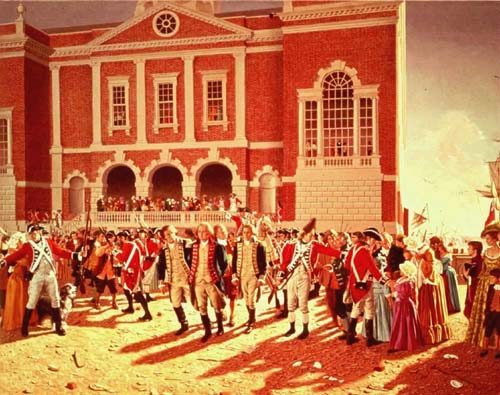
Issac Hayne marched from the Exchange Building to his execution.

CHANGELESS: A Review

Remember the first time you heard the 1976 LP, Boston? It blew you away. Swirling twin guitars, a sound that mixed Led Zep with Yes and The Beatles, hard rockin’ songs with a melody, high harmonies, soulful singing by Brad Delp, and one mean ass rock and roll organ.

PrintRemember the anticipation as you waited (and waited and waited and waited) for Boston’s second LP? And then, it finally arrived! Don’t Look Back. So you tossed it on your turntable (for those of you under 30, Google it) and you listened to the LP. And about halfway through Side Two you started to get a sour feeling in your belly. The album was good … but was not great. It was … the same, but not better. After two years, this is what you got? So, you listened to it again. For the next few days you walked around thinking: “Oh man, this sucks.”

Welcome to CHANGELESS, the literary equivalent of Boston’s Don’t Look Back.

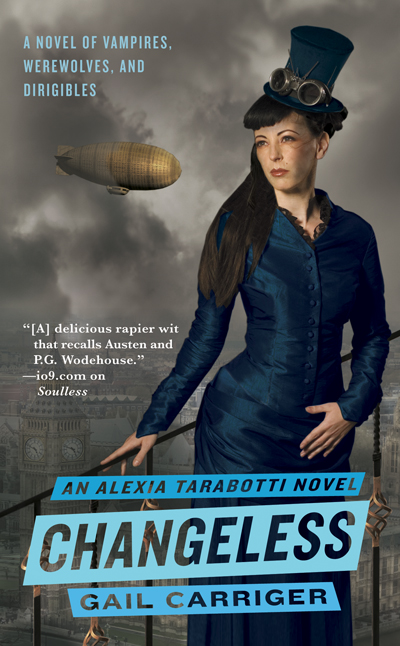
CHANGELESS is the sequel to SOULLESS.(Read the Soulless review) It was Bram Stoker mixed with the sensibility of Jane Austen set in Charles Dickens’ London. It was a world in which vampires, werewolves and ghosts were accepted in English society. Author Gail Carriger deftly pulled off a screwball comedy of manners.

So what’s wrong with CHANGELESS? Nothing really, except the disarming freshness has worn off. The wackiness of an English woman without a soul who can disarm vampires and werewolves with a thrust of her silver-coated parasol and sitting in council with Queen Victoria discussing the “vampire problem” is no longer new. Carriger has done little to move the story (and her world) into something else. We are stuck in a world that we already know, in a story that seems stale and mundane. Maybe that’s my own fault, since I found Soulless so delightful I am guilty of creating false expectations. I have an sneaking suspicion that two years from now, I will rate this book higher than I do right now. 

Like Don’t Look Back, it’s more of the same thing … more than just a mere shadow, but it serves to remind you how brilliant the initial offering is.

4 palmettos

Today In Charleston History: August 3

 1674 – Deaths.

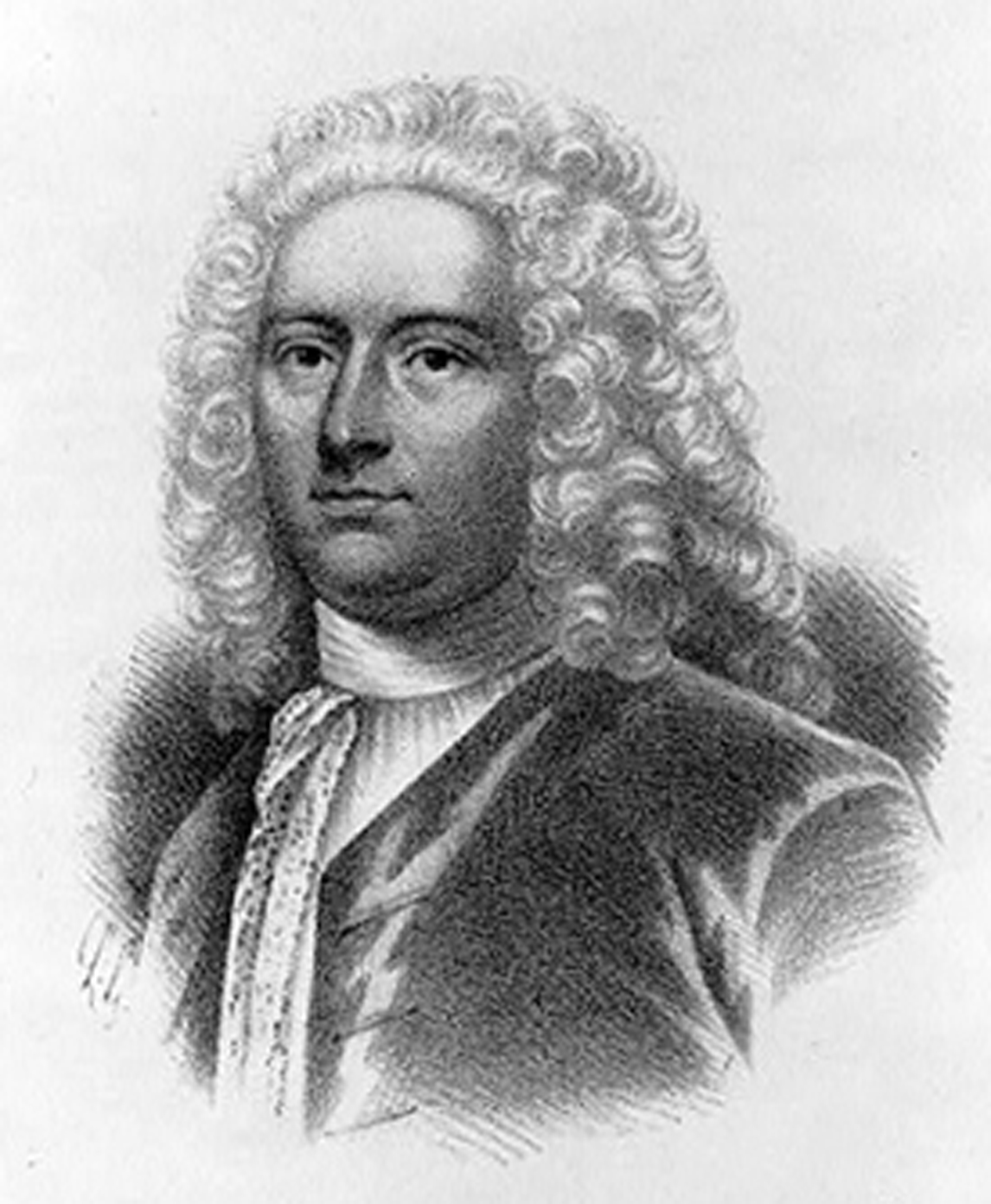
Sir John Yeamans

Sir John Yeamans

Sir John Yeamans died in Carolina.  He was one of original landgraves of the Carolina colonial and became governor. In 1674 Yeamans was removed from office, and at once sailed for Barbados, where he soon afterward died. Robert Weir wrote: 

Yeamans epitomized the enterprising Barbadians who played a large part in settling South Carolina. That some, like him, resembled pirates ashore probably both promoted and retarded development of the colony; it certainly contributed to political factionalism endemic during the early years.

1769 – American Revolution – Foundations.

William Henry Drayton was a twenty-seven year old planter who refused to join the Association. Educated in England, Drayton had expensive tastes and his fondness for gambling left him deeply in debt. He was described as “a rather frivolous young lightweight, unable to get his life in order.”

When Drayton discovered there was no market for his plantation goods, he attacked the Association in the Gazette. The publication of his name was “an infringement of individual rights” and “only the legislature could brand a man an enemy of his country.” He contemptuously called Gadsden: “either traitor or madman who looks upon himself as a monarch … the ruler of the people …[who should be] locked in an insane asylum until the change of the moon.”

1776American Revolution – Continental Congress.  

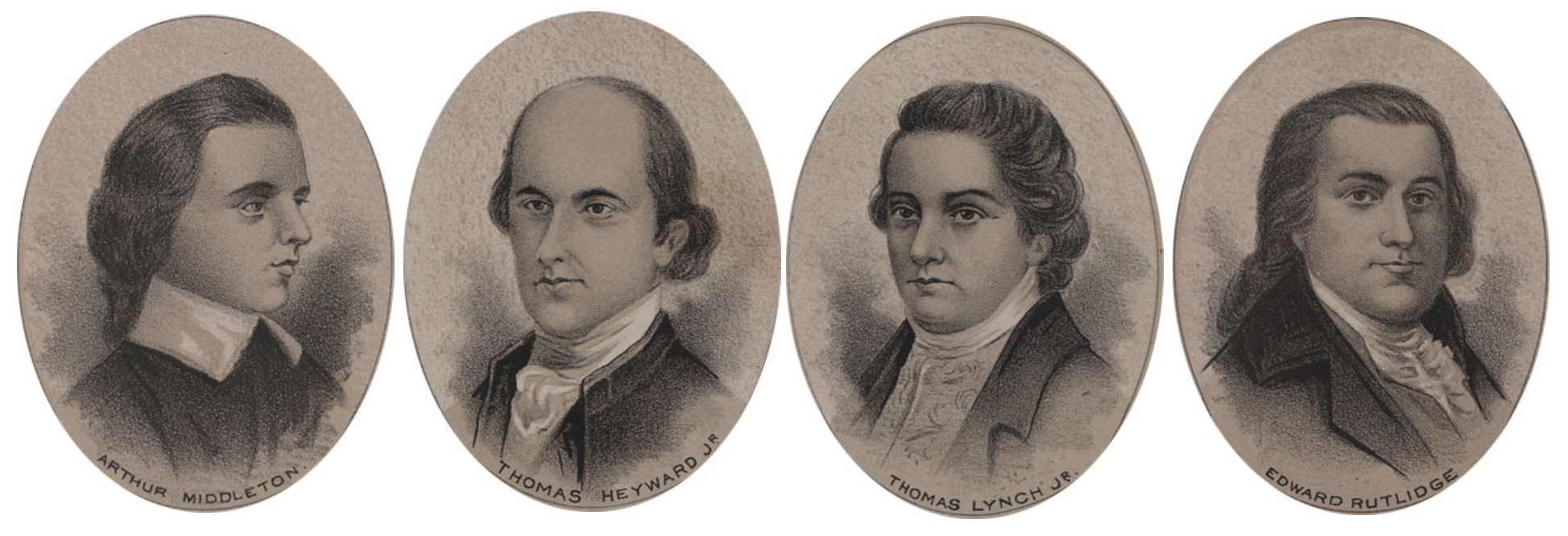
Most of the members of the Continental Congress officially signed the Declaration of Independence on this day. They then turned their attention to creating a union of the thirteen colonies. South Carolina signers were: Edward Rutledge, Arthur Middleton, Thomas Heyward, Jr. and Thomas Lynch, Jr. 

South Carolina signers of the Declaration of Independence

South Carolina signers of the Declaration of Independence.

1781 – British Occupation.

A group of citizens meet Lord Rawdon at the Miles Brewton House to plead for Issac Hayne’s life. Col Hayne’s son, William Hayne wrote:

I recollect also going with my brother Issac & sister Sarah in Company of my Aunt Peronneau to Lieut. Col. Balfour … and on our knees presenting a petition to him in favor of my father but without effect. 

1807

The trial of Aaron Burr began before a packed house. His daughter,Theodosia Burr Alston, sat in the courtroom next to her Charleston husband, Joseph Alston, during the trial. It was written about her:

There is nothing in human history that is more touching than her devotion during this ordeal. Beautiful, intelligent far beyond the average woman of her time, she was the center of admiration throughout the trial.

1836 – Religion.
Angelina Grimke Weld

Angelina Grimke Weld

Angelina Grimke was moved to speak at a silent prayer at the Orange Street Quaker Meeting in Philadelphia. She was interrupted by Jonathon Edwards, suggesting that she stop speaking. This convinced Angelina that she could no longer live in Philadelphia, since the Quakers were not supportive of her abolitionist views.  She wrote, “The incident has proved the means of releasing me from those bonds which almost destroyed my mind.”

     She became a full-fledged public abolitionist.

1864 – Bombardment of Charleston.

In the North Channel just outside the Charleston harbor during the morning, Union officers were exchanged for an equal number of Confederate officers.  

ESSENTIALS: Ellington At Newport 1956

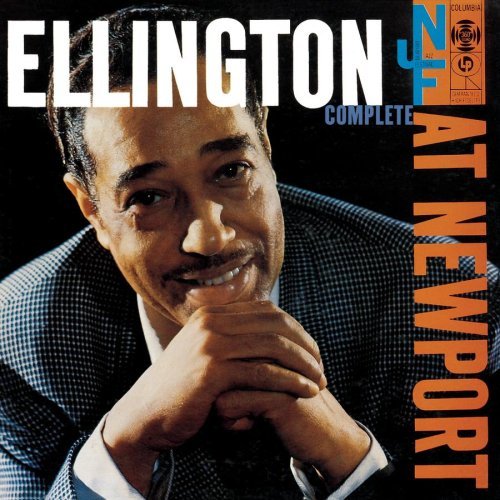
albumcoverEllingtonAtNewportBy the mid-1950s many of the big bands had folded. Jazz music had been brought to its knees by the explosion of rock ‘n roll – Bill Haley, Buddy Holly, Chuck Berry and Elvis.  In addition, jazz was going through a radical change. The traditional swing big bands were being usurped by the harder-edged Be Bop and smooth West Coast Cool schools of music.

Duke Ellington had managed to financially keep his band together through the royalties of his popular compositions in the 1920s and 40s. They occasionally played shows at ice-skating rinks. In 1956 Ellington did not even have a recording contract.

On the night of July 7, 1956 at the Newport Jazz Festival, after a series of thunderstorms had dampened the collective spirits of the Eastern Seaboard patrons, The Duke Ellington Orchestra took the stage. Ellington paid for the performance to be recorded out of his own pocket.

Ellington at Newport 1956 was to become Ellington’s biggest selling recording, although only about 40% of the original recording was actually live. The remainder was recorded in the studio to provide “patches” and filler for the less than perfect live portions.

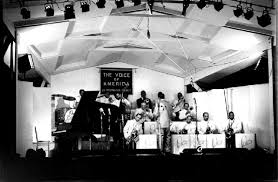
Ellington Orchestra on the Newport stage

Ellington Orchestra on the Newport stage

During the concert the Duke announced that they were pulling out “some of our 1938 vintage.” It was a pair of blues, “Diminuendo in Blue” and “Crescendo in Blue.” The two songs were to be joined by an improvised interval played by tenor saxophonist Paul Gonsalves. Ellington had been experimenting and reworking the songs for several years before the Newport performance. The night of the show, Ellington told Gonsalves to “blow as long as you feel like blowing.”

As performed at Newport, the new version kick-started Ellington’s waning career and secured the band financially for the rest of Ellington’s life. Gonsalves played a 27-chorus solo backed only by bassist Jimmy Woode, drummer Sam Woodyard, and Ellington himself punctuating piano chords. Through-out the song there are several audible comments from the band members. The Duke himself is often heard urging the saxophonist, shouting “Come on, Paul — dig in! Dig in!” About five minutes into Gonsalves’ solo, the sedate wine-and-cheese crowd realized they were witnessing a magical moment. They started dancing in the aisles and can be heard cheering and shouting at the band.

The usually sedate wine-and-cheese crowd at Newport dancing to Gonsalves' solo

The usually sedate wine-and-cheese crowd at Newport dancing to Gonsalves’ solo

When the solo ended Gonsalves collapsed in exhaustion, and the full band returned for the “Crescendo in Blue” portion. The real crescendo of “Crescendo in Blue” however starts at the 13:15 minute mark, as trumpet player Cat Anderson (of Charleston, SC) stands up and begins to play several octaves above the Orchestra for the final minute of the song. In a moment worthy of any classic rock concert, the already excited crowd is brought to the edge of hysteria by Anderson’s screaming trumpet. When the song ends, pandemonium ensues for several moments as the Duke tries to quiet the crowd.

Truly one of the most classic recorded moments in jazz history.

“Diminuendo And Crescendo In Blue”

Remastered 1999 CD: Ellington at Newport (Complete)

Disc one

  1. “The Star Spangled Banner” – 1:10
  2. Father Norman O’Connor Introduces Duke & the Orchestra / Duke Introduces Tune & Anderson, Jackson & Procope – 3:36
  3. Black and Tan Fantasy” – 6:21
  4. Duke Introduces Cook & Tune – 0:26
  5. “Tea for Two” – 3:34
  6. Duke & Band Leave Stage / Father Norman Talks About The Festival – 2:30
  7. Take the ‘A’ Train” – 4:27
  8. Duke Announces Strayhorn’s A Train & Nance / Duke Introduces Festival Suite, Part I & Hamilton – 0:41
  9. “Part I – Festival Junction” – 8:10
  10. Duke Announces Soloists; Introduces Part II – 0:38
  11. “Part II – Blues to Be There” – 7:09
  12. Duke Announces Nace & Procope; Introduces Part III – 0:19
  13. “Part III – Newport Up” – 5:33
  14. Duke Announces Hamilton, Gonsalves & Terry / Duke Introduces Carney & Tune – 0:25
  15. Sophisticated Lady” – 3:52
  16. Duke Announces Grissom & Tune – 0:17
  17. Day In, Day Out” – 3:50
  18. Duke Introduces Tune(s) and Paul Gonsalves Interludes – 0:23
  19. “Diminuendo In Blue and Crescendo In Blue” – 14:20
  20. Announcements, Pandemonium – 0:44
  21. Pause Track – 0:06

Disc two

  1. Duke Introduces Johnny Hodges – 0:18
  2. “I Got It Bad (and That Ain’t Good)” – 3:38
  3. “Jeep’s Blues” – 4:36
  4. Duke Calms Crowd; Introduces Nance & Tune – 0:42
  5. “Tulip or Turnip” – 2:49
  6. Riot Prevention – 1:08
  7. “Skin Deep” – 9:13
  8. Mood Indigo” – 1:30
  9. Studio Concert (Excerpts) – 4:01
  10. Father Norman O’Connor Introduces Duke Ellington / Duke Introduces New Work, Part I & Hamilton – 1:02
  11. “Part I – Festival Junction” – 8:46
  12. Duke Announces Soloists; Introduces Part II – 0:32
  13. “Part II – Blues To Be There” – 7:48
  14. Duke Announces Nance & Procope; Introduces Part III” – 0:16
  15. “Part III – Newport Up” – 5:20
  16. Duke Announces Hamilton, Gonsalves & Terry / Pause / Duke Introduces Johnny Hodges – 0:41
  17. “I Got It Bad (And That Ain’t Good)” – 3:47
  18. “Jeep’s Blues” – 4:31
  19. Pause Track – 0:09

THE BAND

  • Piano: Duke Ellington
  • Bass: James Woode
  • Drums: Sam Woodyard
  • Trumpet: Cat Anderson, Clark Terry, John Willie Cook, Ray Nance
  • Trombone: John Sanders, Britt Woodman, Quentin Jackson
  • Alto Sax: Johnny Hodges, Russell Procope
  • Baritone Sax: Harry Carney
  • Tenor Sax: Paul Gonsalves
  • Clarinet: Jimmy Hamilton
  • Voice: Jimmy Grissom             

ONE SECOND AFTER: A Review (ESSENTIALS)

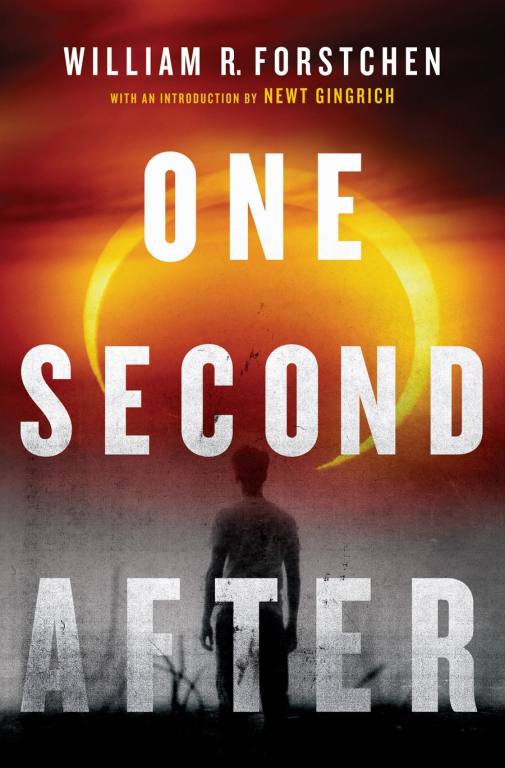
one secnd afterElectromagnetic pulses can result from natural phenomena and, in much greater strength, from nuclear blasts. The result of an EMPs is the destruction of unprotected electronic circuitry, about 95% of it in the United States. A nuclear bomb set off at a high altitude would cause electronics over a large swathe of the planet to fail and almost nothing has been done to protect the US from this threat.

This frightening novel depicts what life might be like in the case of an EMP attack. With no electronics -vehicles won’t run; no phones, computers, radios, or televisions; no electricity. America descends into the Middle Ages. In One Second After, a lack of food and medicine leads to mass death. Society crumbles quickly. Cities turn against the countryside; friends and neighbors turn against each other in a desperate struggle to survive. Criminals take advantage.

Forstchen humanizes it by giving a detailed look at how events unfold around the idyllic small town of Montreat College in North Carolina.The weeks pass, and society deteriorates quickly – food runs out, people die due to lack of treatment and medicine, tyrants try to take advantage of the weak and confused, and criminals run rampant.

One Second After is a masterpiece of dystopian literature that ranks with 1984 and Brave New World, but is even more horrific. IT IS A PAGETURNER! You will have restless nights while you are reading this, and several nights after. Particularly when you realize that our government has done nothing to prepare this country for this serious threat.  

5 palmettos

BOOKS TO AVOID – Even Under Penalty of Death

NOTE: I did not list any James Patterson books since it should be obvious you need to avoid Patterson. If you enjoy Patteron’s books I order to stop reading my blog IMMEDIATELY.


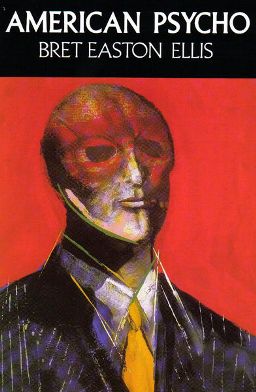
AmericanPsychoBookAMERICAN PSYCHO by Brett Easton Ellis

Sick and badly written. A cruel and vicious book. Anyone who is in a relationship with Mr. Ellis needs to re-think their decision. There are not words strong enough to describe how bad this book is.

Cold_mountain_novel_coverCOLD MOUNTAIN by Charles Fraizer

Quite simply, one of the worst books of the past decade. It is a great example of the group think among today’s university-driven literary community and publishing industry. The book is sophomoric in style, using purple phrases with awkward flourishes that most English 101 instructors will give you a failing grade for using. It is also a great example of a major problem in today’s publishing industry – an author has a wild success with a bad book, so he is given a huge amount of money to produce an even worse book, Thirteen Moons.

finnegan's wakeFINNEGAN’S WAKE by James Joyce.

It’s a classic, right? Yes, classic shit. The last section of the novel consists of 24,212 words and two sentences. Yes, you read that correctly, two sentences and 24,000 words! Enough said.

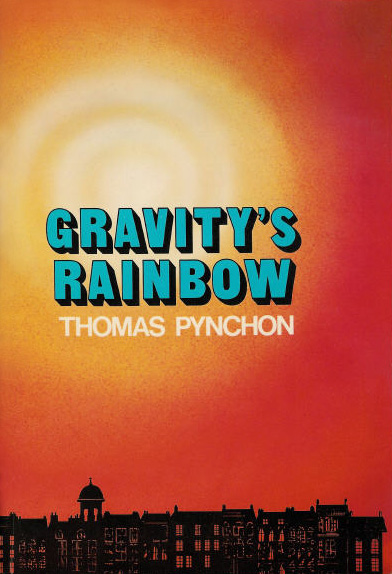
Gravitys_rainbow_coverGRAVITY’S RAINBOW by Thomas Pynchon

The 11 members of the Pulitzer Prize committee were on the right track when they described the book as “unreadable, turgid, overwritten and obscene.”

They were actually being nice.

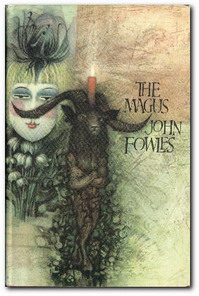
magus_coverTHE MAGUS by John Fowles

Self-important and full of 1960ish mysticism and oblique literary games. AWFUL!

The great actor Peter Sellers was once asked, “If you had a chance to live your life over again, what would you do differently?” Sellers answered, ” I would not read “The Magus.”

Amen, Peter.  

scarlettSCARLETT: THE SEQUEL TO MARGARET MITCHELL’S GONE WITH THE WIND by Alexandra Ripley

Granted, this was a no-win idea from the get-go. Hell, even the title is ridiculous. But the book turned out to be boring, boring, boring.

And the other “approved” book, Rhett Butler’s People fares no better.

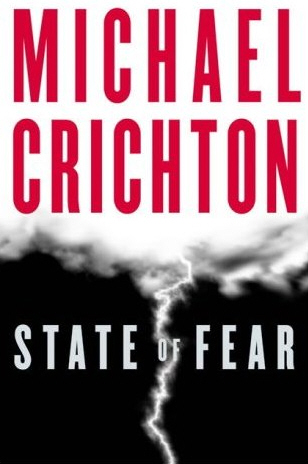
StateOfFearSTATE OF FEAR by Michael Crichton

First of all, forget all the political yammering around this novel (by the same folks that think Tom Clancy is a good writer) and the claims for “scientific authenticity.” IT’S BAD AND BORING!

Crichton has never been on anyone’s list of good writers; his prose is clumsy and his characterizations are TV depth (hence all the successful movies and TV shows made from his writings).

ShannaraTHE SHANNARA BOOKS (almost all of them!) by Terry Brooks

Second rate recycled Tolkien. Brooks’ prose is often as unwieldy as a 200 lb sword. . What is frightening is how many have been published. As of this moment there are 20+ Shannara novels. Mr. Brooks … have mercy! Take a vacation!!!!

How bad are these books? Pauly Shore bad! Michael Bolton awful!

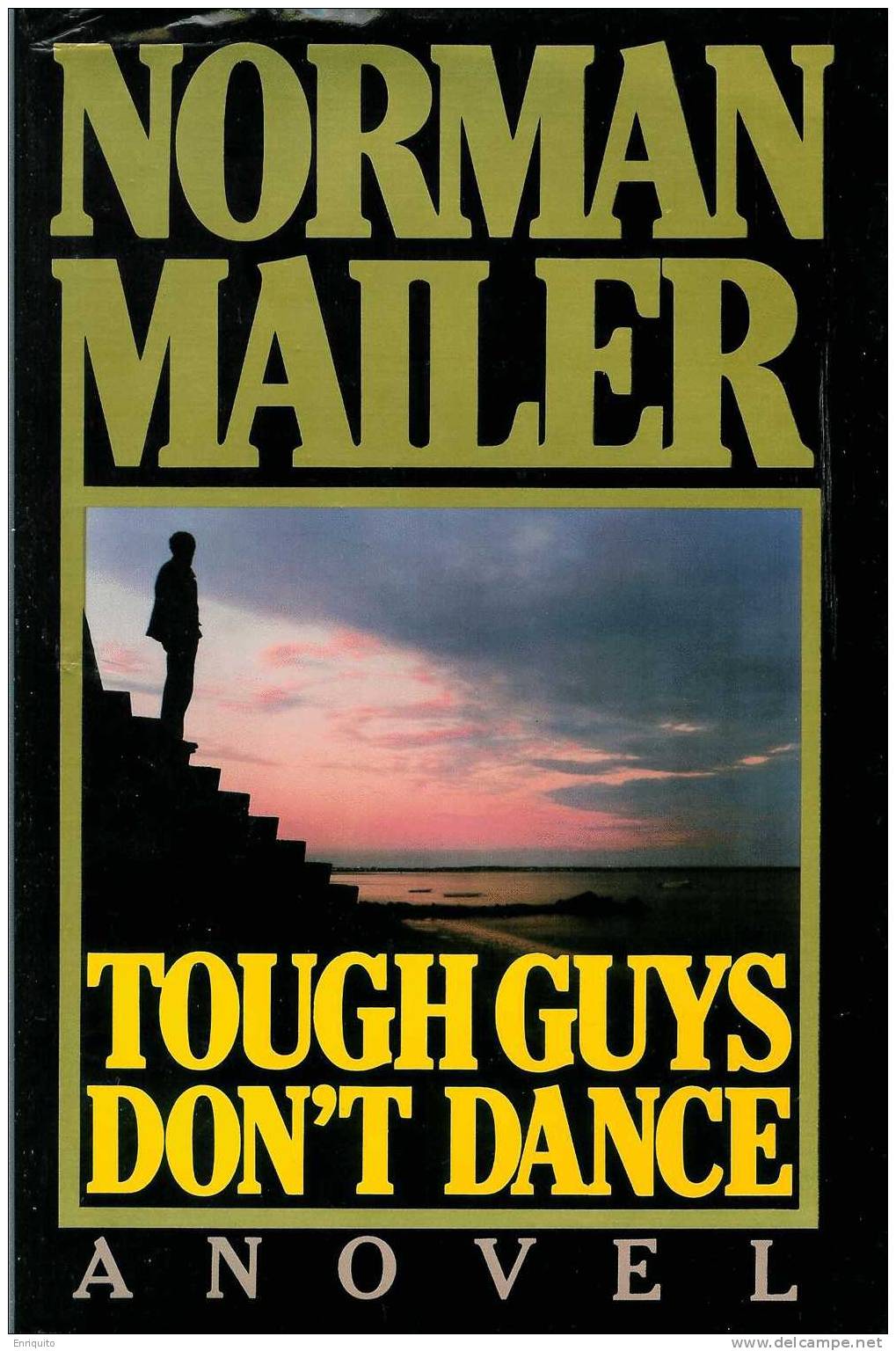
tough guysTOUGH GUYS DON’T DANCE by Norman Mailer

A boring mess. The book is the result of a self-important (and often good) writer thinking that because he is an “important artist” he could write a better hard-boiled mystery than those two-bit hacks like Hammet, Chandler and MacDonald.

Hey Norman, you lose … by a long shot!


SCARIEST BOOKS I’ve Ever Read

(Listed in Alphabetical order)


1984 by George Orwell (1949)
1984 by George Orwell

This is scary because many aspects of this novel are no longer fiction.

Read the news … NOT the American media, who rarely tells you the true stories of what is happening in the world. Information insulation is another form of control. 

 CARRION COMFORT by Dan Simmons (1989) 

carrion comfort
A great vampire novel, with a twist. The vampirism featured here is psychic, not blood-letting . A small group of people have an Ability, where they can possess someone mentally and use them to do their bidding. They also use their Ability to Feed, prolonging their lives by mentally drawing sustenance from people.

The battle among the Users with the Ability for power leads for a gargantuan plot and a cast of more than two dozen characters, from Nazis to southern sheriffs, to Holocaust survivors to Hollywood moguls to CEOs of the world’s largest corporations. Riveting and compelling.

Come on HBO … how about a mini-series?????

GHOST STORY by Peter Straub (1979)

Ghost Story by Peter StraubAn old-fashioned, c-r-e-e-p-y ghost story. Four elderly New England men are haunted an event in their past … they got away with murder … or did they?

As they ask in the novel: “What was the worst thing you’ve ever done?””I won’t tell you that, but I’ll tell you the worst thing that ever happened to me… the most dreadful thing…”

THE GIRL NEXT DOOR by Jack Ketchum (1989)

The Girl Next Door by Jack Ketchum
Not for the faint-hearted! The Girl Next Door is a dark and twisted story told through the eyes of a preteen boy. Set in the 1950s, it is a fictionalized account of one of America’s grizzliest true crime stories. D-i-s-t-u-r-b-i-n-g.


 I AM LEGEND by Richard Matheson (1954)

The novel that got me hooked on dark fiction and dystopian novels back when I was fifteen years old.
RobeI Am Legend by Richard Mathesonrt Neville is the apparent sole survivor of a pandemic whose symptoms resemble vampirism. It is implied that the pandemic was caused by a war, and that it was spread by dust storms in the cities and an explosion in the mosquito population.

The book follows Neville’s daily life in Los Angeles as he attempts to comprehend, research, and possibly cure the disease, to which he is immune. His past is revealed through flashbacks: the disease claimed his wife and daughter, and he was forced to kill his wife after she seemingly rose from the dead as a vampire and attacked him.

Forget the most recent Hollywood version of this novel starring Will Smith … READ THE BOOK!!

THE HOT ZONE by Richard Preston (1994)

This non-fiction bio-thriller is about the origins and incidents involving viral hemorrhagic fevers, partThe Hot Zone by Richard Prestonicularly ebola-viruses and marburg-viruses. You may begin to compulsively wash your hands and stay away from EVERYONE with a cough. Stephen King called the book, “one of the most horrifying things I’ve ever read.”

And the U.S. govt. is bringing two ebola victims to America as I write this.

HOUSE OF LEAVES by Mark Z. Danielewski (2000)

House of Leaves by Mark Z. DanielewskiA young family moves into a small home on Ash Tree Lane and discovers something is terribly wrong: their house is bigger on the inside than it is on the outside!

One of the oddest, most challenging books you will read in a looong time. Bewildering and claustrophobic.

IT by Stephen King (1986)

It by Stephen KingI debated about putting The Shining in this place, but I opted for It.

King’s most epic horror story that pushes ALL the right buttons … misfit kids, bullies, disappearing children and a malevolent clown!

THE KILLER INSIDE ME by Jim Thompson (1952)

The Killer Inside Me by Jim ThompsonLou Ford, a 29-year-old deputy sheriff in a small Texas town appears to be a regular, small-town cop leading an unremarkable existence; beneath this facade, however, he is a cunning, depraved sociopath with sadistic sexual tastes. Horrific and darkly humorous.

ONE SECOND AFTER by William Fortschen (2009)
One Second After by William R. Forstchen

The scariest book I have ever read. Period.

Electromagnetic pulses can result from natural phenomena and, in much greater strength, from nuclear blasts. The result of an EMP is the destruction of unprotected electronic circuitry. With no electronics -vehicles won’t run; no phones, computers, radios, or televisions; no electricity. America descends into the Middle Ages.

In One Second After, we follow a small North Carolina mountain town quickly crumble. The lack of food and medicine leads to mass death. Cities turn against the countryside; friends and neighbors turn against each other in a desperate struggle to survive.

Read it and began your stockpiling.

SILENT SPRING by Rachel Carson (1962)

Silent Spring by Rachel Carson
This book single-handedly helped ban DDT across the world, resulting in the death of millions of people due to malaria which resurfaced. This was the book that started the environmental movement and it’s scary that people still defend this.